
On May 18, 2013 I ran the Sage Rat Run 12K in Prosser, WA and set a personal record. Ok, that is not saying much since I had never run a 12K race in my life. All I had to do was cross the finish line alive and this race would have sat alone at the top of my 12K personal record list.
I grew up in the Tri-Cities, WA and I had never heard of a Sage Rat before this event, and not only are they real, I actually saw one at the start of the 12K race. I was going to throw away a water bottle before the start and there he sat staring at me before jumping down his hole. I actually view this as my greatest accomplishment from the day. On Friday evening there was a fundraising pasta dinner before the race. I did not make it there as I was too busy eating fried chicken and candy with my family back home. I know, awesome pre-race meal.
Needless to say, dinner planning has never been my strong suit, which is why I like a sheet pan. Chop, toss with oil, spread it out, and let the oven do its thing while you do something else. These sheet pan dinners lean on what fall does well: squash, apples, pears, Brussels sprouts, root vegetables and pork.
Glazed Bone-In Pork Chops
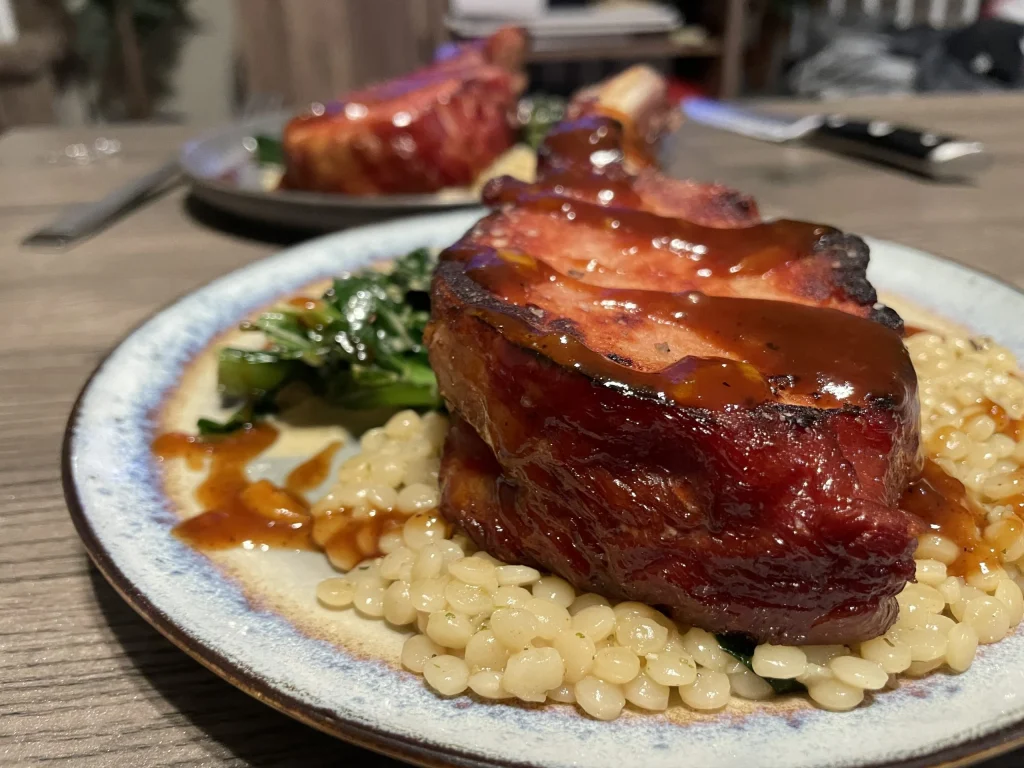
Thick, bone-in chops hold up to a hot oven a lot better than thin boneless ones. Lay them on the sheet pan at 425°F with a brown sugar, soy and garlic glaze brushed on for the last few minutes so it doesn’t burn.
Pull them at 145°F and let them sit for 3 minutes, which is the FSIS number for pork chops and roasts. The plate here has pearl couscous and some sautéed greens underneath, and I’d copy that.
Salmon With Olive Tapenade
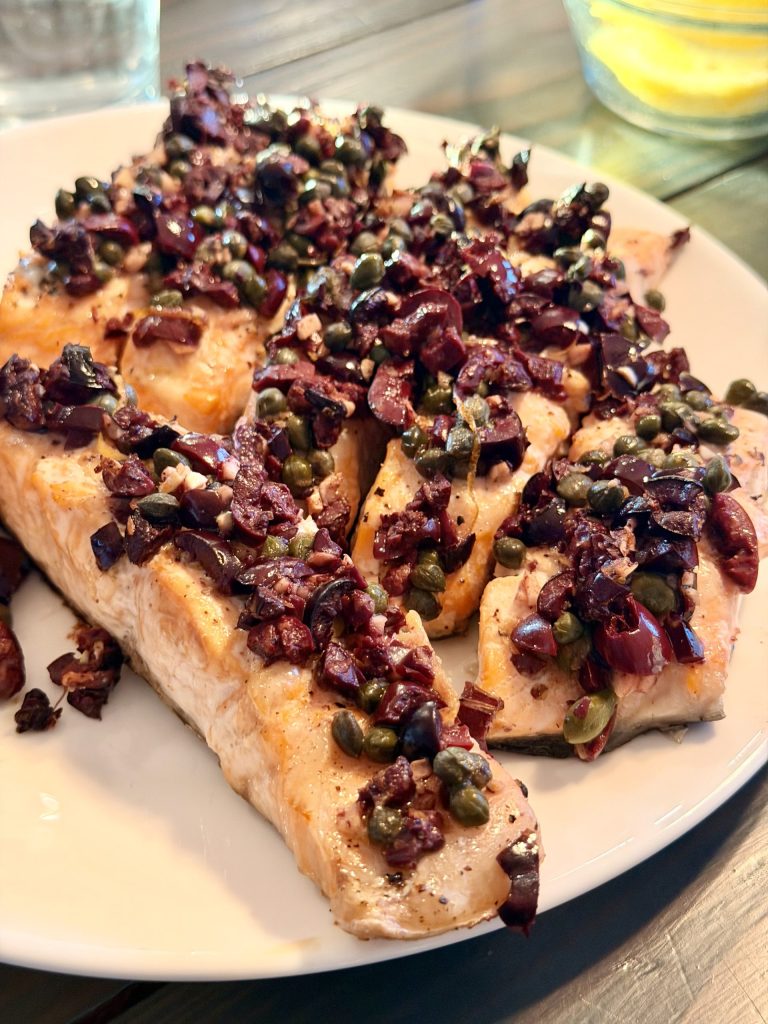
Lay a big salmon fillet skin side down on a lined pan, salt it, and roast at 425°F for 12 to 15 minutes, until it flakes and reads 145°F in the thickest part. While it cooks, chop a handful of Kalamata olives with capers, garlic, lemon zest and a spoonful of olive oil. Pile that on top once it comes out, like the fillet here.
Buy the fish close to the day you cook it. Raw salmon keeps only 1 to 3 days in the fridge, which is shorter than most of what goes on this pan. A tray of halved baby potatoes started 15 minutes ahead turns it into dinner.
Roasted Butternut Squash Salad With Arugula and Feta
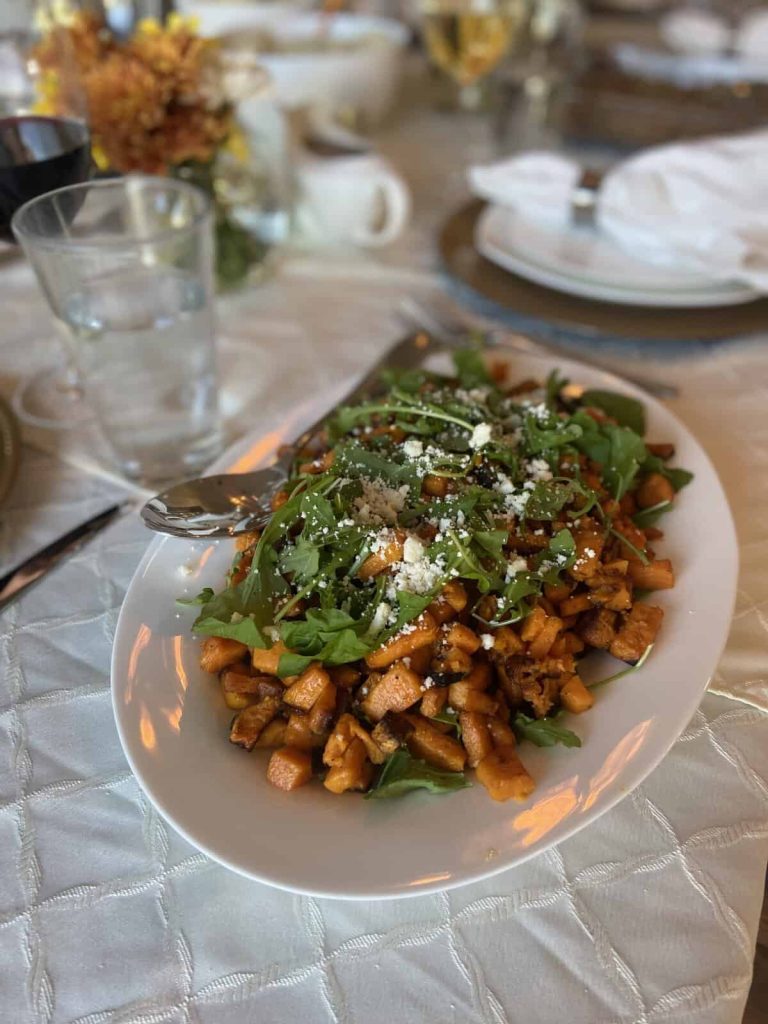
Not every sheet pan dinner has to come off the pan hot. Roast the squash cubes with olive oil, salt and a pinch of cinnamon until the edges go dark, let them cool for 10 minutes, then pile them over arugula with crumbled feta and a sharp vinaigrette.
Like the platter here, it’s big enough to share. Add a can of chickpeas or some leftover chicken if it’s dinner and not a side.
Herb Roasted Lemon Chicken
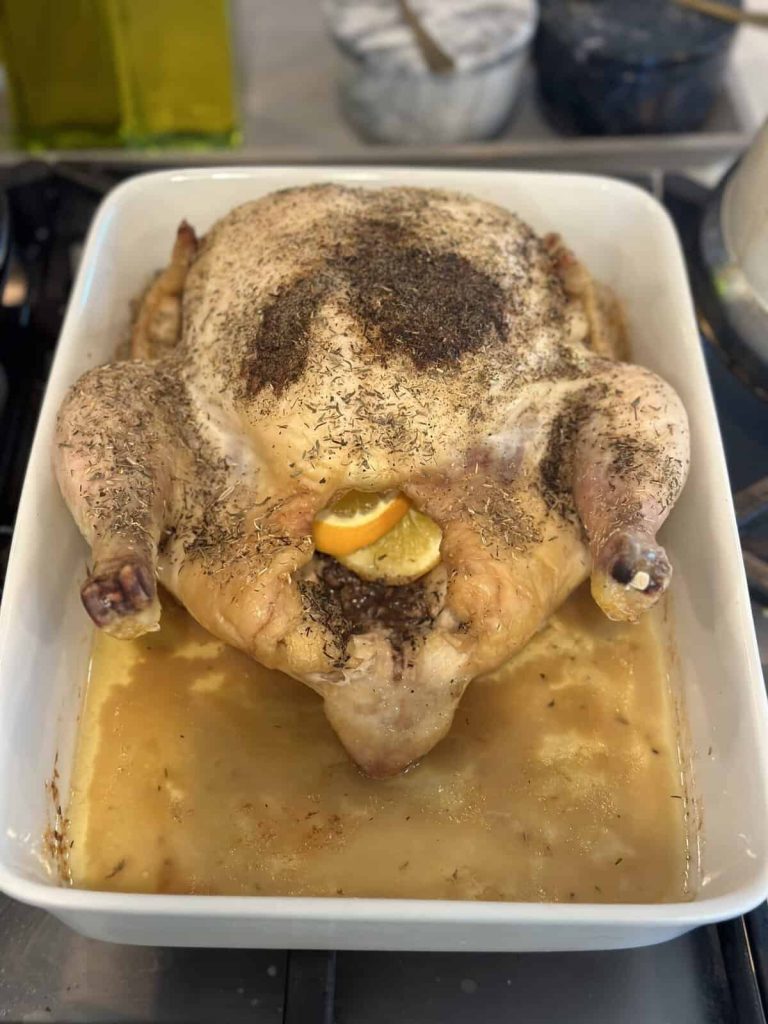
A whole chicken rubbed with butter, salt, pepper and dried herbs, with a halved lemon pushed into the cavity. Set it in a baking dish or on a rimmed pan and roast at 425°F for about an hour and 15 minutes, until the thickest part of the thigh reads 165°F. The drippings collect underneath, as you can see here, and they make a pretty good sauce for whatever you roast next to it.
Let it rest 15 minutes before carving. Wedges of apple and onion tucked around the bird for the last 40 minutes keep it in the fall spirit.
Chicken Sausage and Green Beans
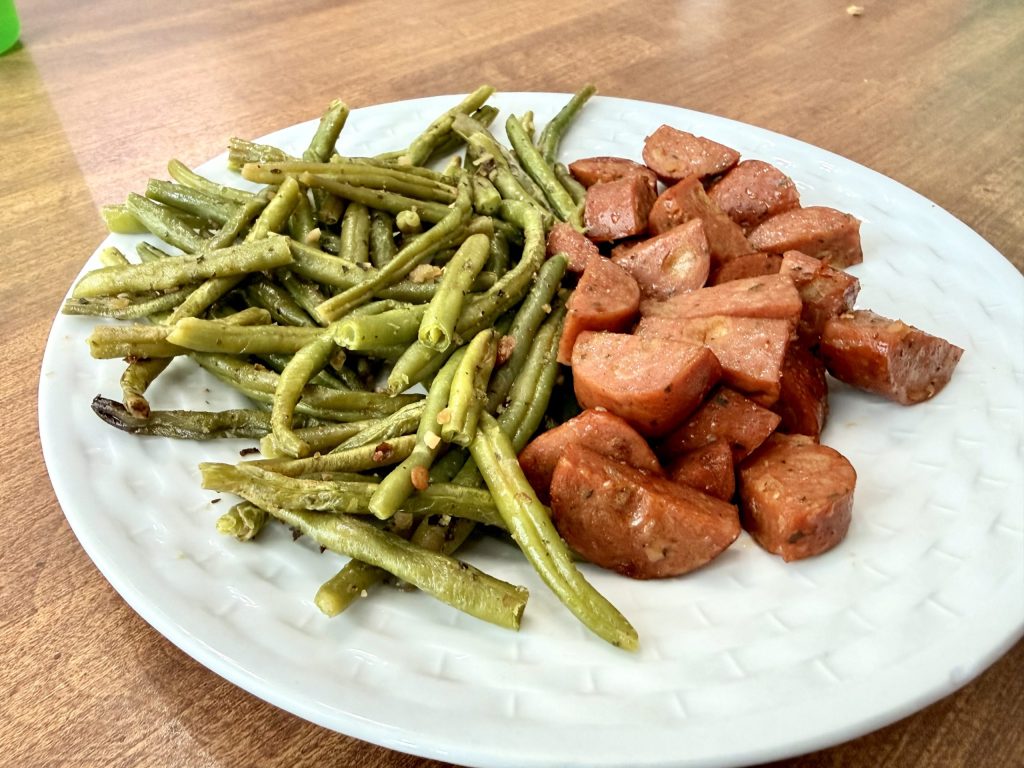
Precooked chicken sausage cut into thick pieces and a pound of trimmed green beans, tossed with olive oil, garlic powder and a pinch of red pepper flakes. Spread it all out in one layer and roast at 425°F for about 20 minutes, until the beans blister and the sausage browns at the edges.
That is the whole recipe, and the plate here shows about how it turns out. A spoonful of whole grain mustard on the side does a lot.
I usually try to run a half-marathon 4 to 6 weeks in advance of a marathon to see what sort of physical condition I am in and better gauge what I should expect when it comes to race day. Running a smaller race or two before a goal race lets you experience the stress and emotions of race day morning and practice the organization required the night before. It can provide you an opportunity to practice new techniques and fueling strategies. In short, it allows you to test out every part of running a race before it counts. A tune-up race also means a night-before dinner to practice, and a sheet pan dinner you’ve made a few times is a safe choice.
Roasted Brussels Sprouts and Mushrooms
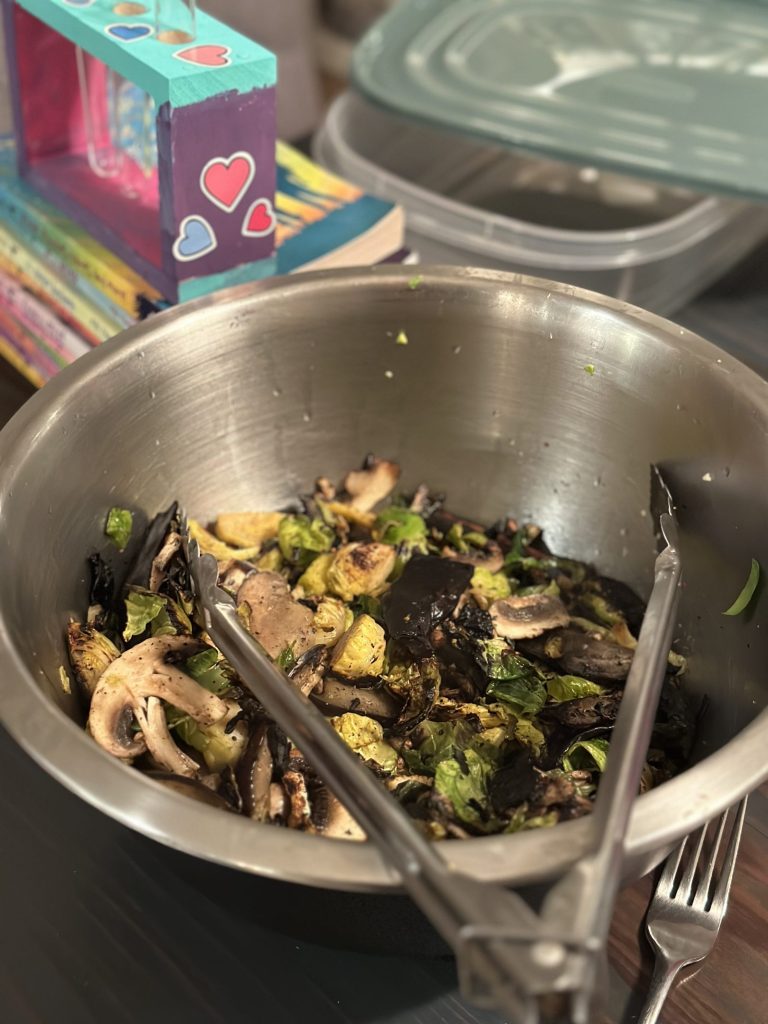
Halve the sprouts, quarter the mushrooms, and give them room. Crowd the pan and they steam instead of browning, so I’d use 2 pans before I’d pile them up on 1.
Toss everything in a big bowl with a little balsamic once it comes out, like the one here, and eat it over rice or farro.
Spaghetti Squash With Meat Sauce
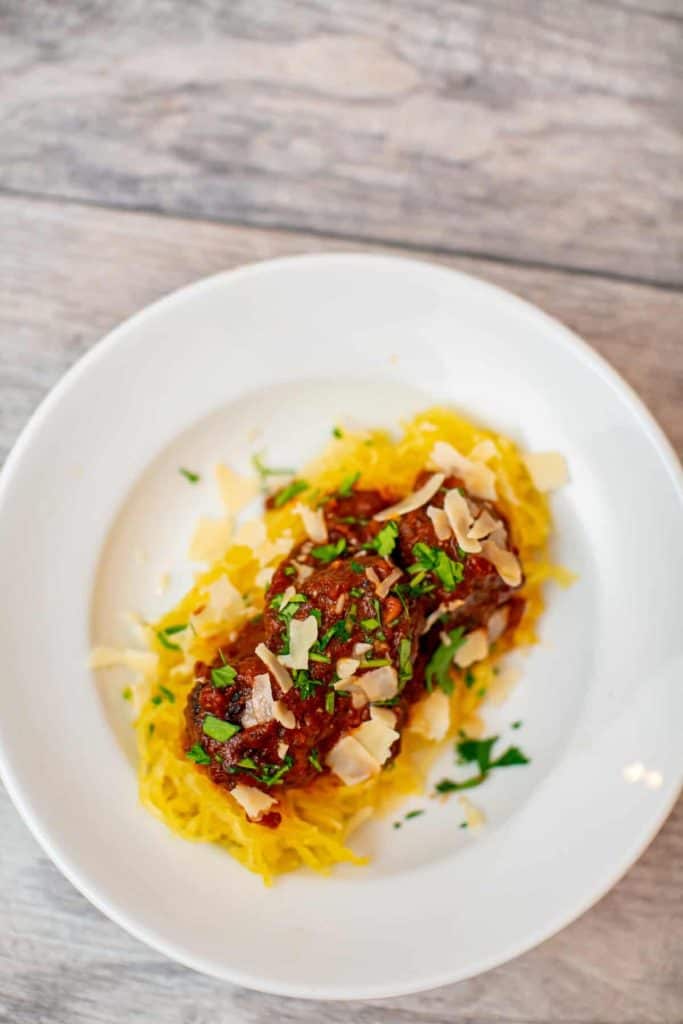
Halve a spaghetti squash lengthwise, scoop out the seeds, rub the cut sides with oil and salt, and roast them face down on the pan at 400°F for 35 to 45 minutes. When a fork pulls the flesh into strands, it is done. Top a pile of the strands with your usual meat sauce and a few shavings of Parmesan, like the bowl here.
The sauce does need a pot on the stove, so this one bends the sheet pan rule a little. I figure it still counts.
Herb-Crusted Pork With Wild Rice
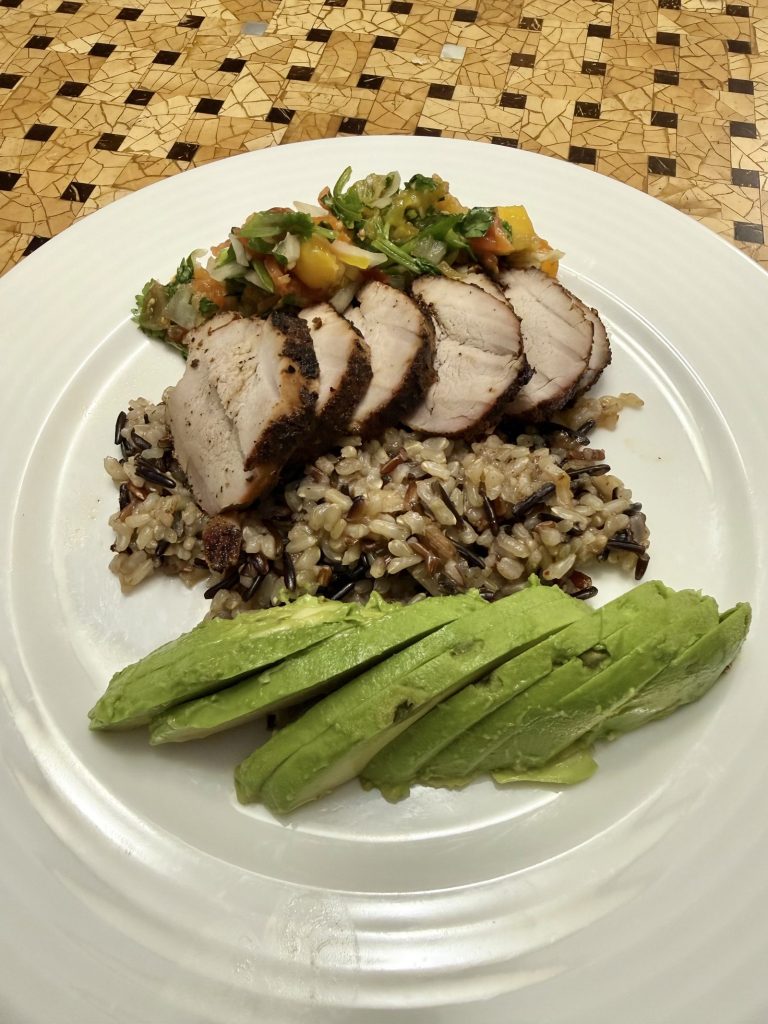
A pork tenderloin rubbed with Dijon, then pressed into chopped parsley, rosemary, garlic and breadcrumbs. It roasts in about 20 to 25 minutes at 425°F, and you want it resting before you slice it.
Serve the slices over a scoop of wild rice with sliced avocado, like the plate here. A spoonful of salsa or chopped peppers on top keeps it from tasting too brown.
Cranberry Balsamic Chicken Thighs
Boneless thighs, a handful of fresh cranberries, sliced red onion and a glaze of balsamic vinegar, honey and a little rosemary. The cranberries burst in the oven and turn into a sort of sauce on their own. About 25 minutes at 425°F.
Roasted Cauliflower With Lemon and Chickpeas
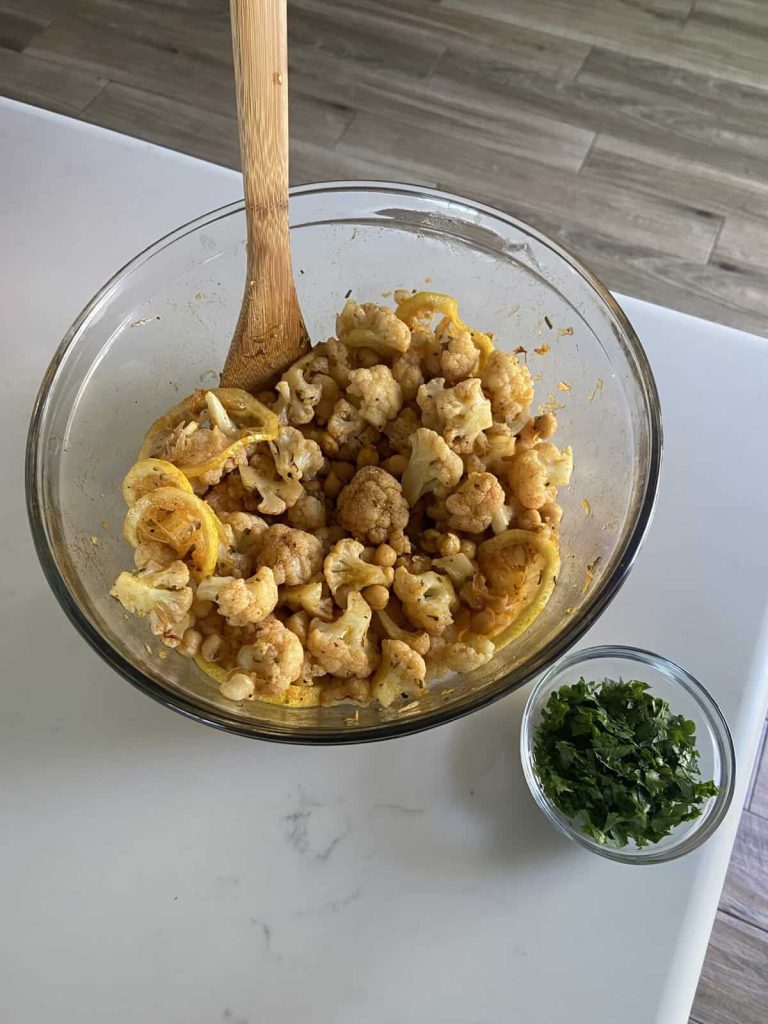
Cauliflower florets, a drained can of chickpeas patted dry, and thin slices of lemon, all tossed with olive oil, cumin, turmeric and smoked paprika. Roast at 425°F for 25 to 30 minutes and shake the pan halfway through. The lemon slices go soft and a little charred, and you can eat them.
The chickpeas get crunchy on the outside. A handful of chopped parsley at the end (the little dish in the photo) and a drizzle of tahini or plain yogurt makes it a meal, no meat needed.
If you are just starting to run, the key variable in adding walk breaks is the ratio of running to walking. A 2:1 ratio means that you are running for twice as long as you are walking, and your goal is to increase that ratio week by week, either by increasing your run time or by decreasing your walk time. Run at least 3 times a week, but no more than 6, and keep at least 1 full rest day to let your body recover. Keep dinner just as simple while you build up, and one pan of roasted vegetables in the oven qualifies.
Butternut Squash Gnocchi
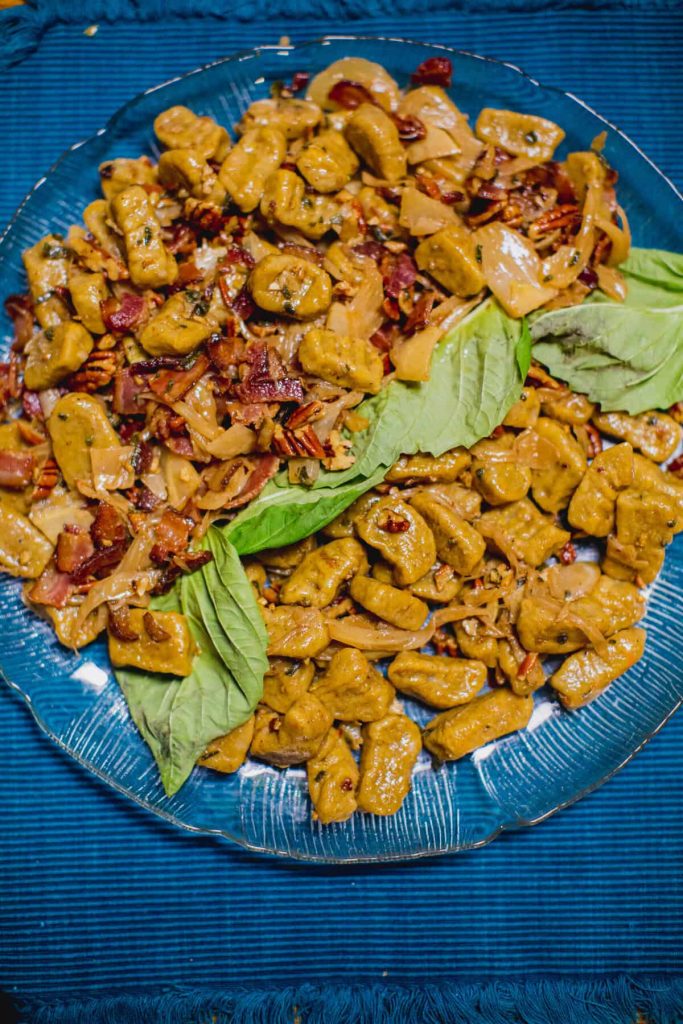
Shelf-stable gnocchi roasts right on the sheet pan, no boiling first. Toss a package with olive oil, small cubes of butternut squash and some diced pancetta, and roast at 425°F for 20 to 25 minutes, stirring once.
The gnocchi go crisp outside and soft inside. Tear basil over the top, like this platter, and add Parmesan if you have it.
Meatballs With Roasted Carrots
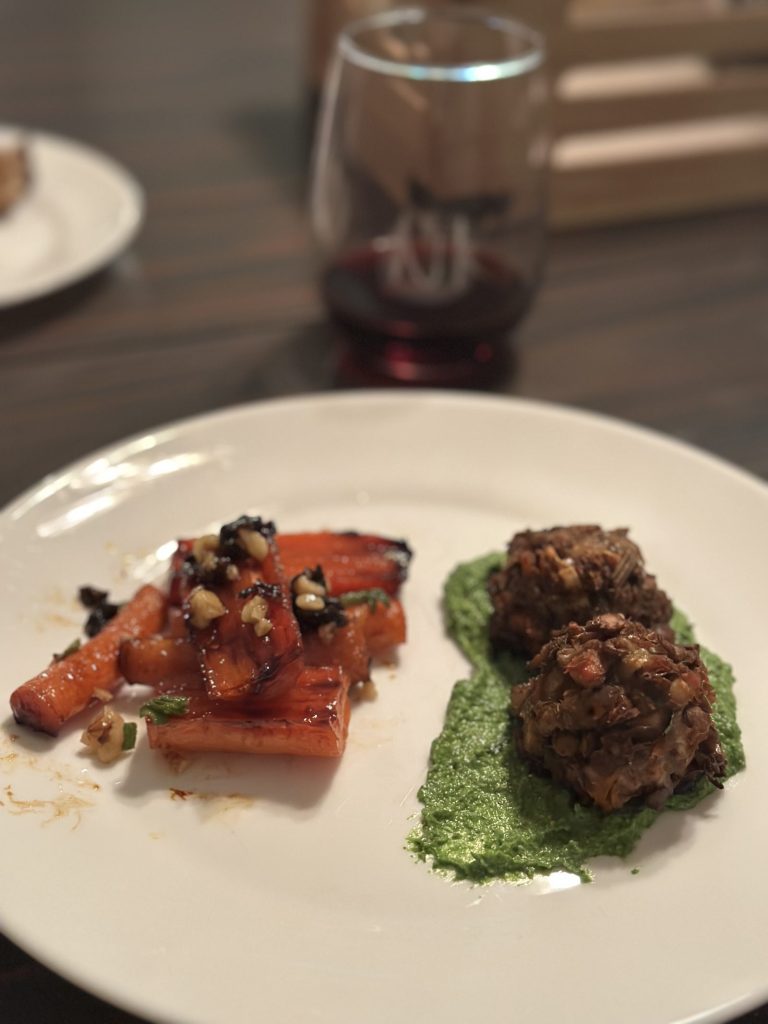
Meatballs on one side of the pan, thick carrot pieces on the other. Ground beef or turkey, an egg, breadcrumbs, garlic and a little grated Parmesan, rolled a bit bigger than a golf ball, and the carrots tossed with oil and a drizzle of honey. Everything roasts at 400°F for about 20 to 25 minutes. Ground beef should hit 160°F, and ground turkey 165°F.
The plate here dresses it up with a green herb sauce under the meatballs and a chopped topping on the carrots. I’d roll the meatballs the night before and keep them covered in the fridge, so dinner is just a matter of turning the oven on.
Sweet Potato Arugula Salad
Roast sweet potato cubes with a little maple syrup and chili powder, then toss them warm with arugula, toasted pecans, dried cranberries and goat cheese. The warm potatoes wilt the greens just a bit, which in my book is how this salad should be.
Pork Tenderloin With Pears
Pears roast faster than you’d think, so use firm ones (Bosc or Anjou) cut into thick wedges. Set the tenderloin on the pan with the pears, a sliced shallot and a few sage leaves. Around 20 minutes at 425°F, then rest it before slicing.
Acorn Squash Salad
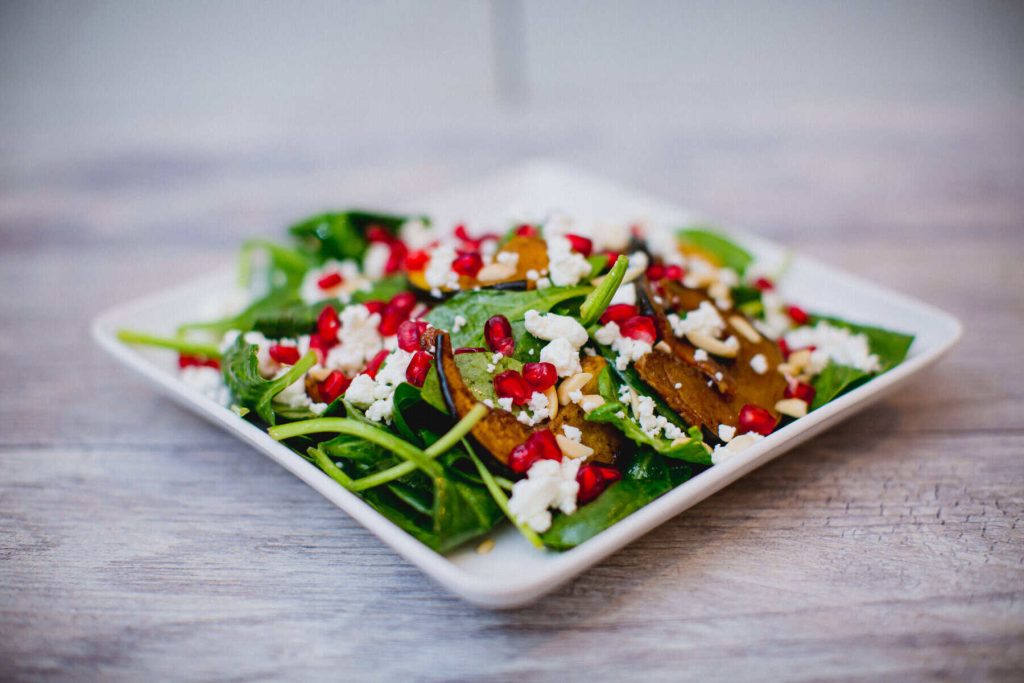
Slice an acorn squash into half moons (leave the skin on, it softens in the oven) and roast until browned. Lay them over spinach with pomegranate seeds, crumbled feta and a honey mustard dressing, like this square plate.
Pomegranate seeds are a pain to get out. Buy them already seeded if the store has them.
Apple Cider Glazed Chicken
Simmer a cup of apple cider in a small pot until it’s reduced by about half, then whisk in Dijon and a spoonful of butter. Bone-in chicken breasts or thighs roast on the pan with halved baby potatoes and get brushed with the glaze twice, once halfway and once at the end.
Cook the chicken to 165°F. Thighs are more forgiving than breasts if you forget about them for a few minutes.
Why I Like Racing in Cool Weather
When you run a race you would prefer it to be on the cooler side than the warmer side, if you are anything like me. Personally, running a race when it is overcast and in the 40 to 50 degree range is ideal for me. There was a period of time when most of my personal best race marks were set in rain, which is a good thing if you happen to live in Western Washington. Fall tends to bring that kind of race weather, which suits the dinners in this post too.
Steak and Root Vegetables
Roast cubed potatoes, carrots and turnips for 25 minutes first. Then turn the oven to broil, push the vegetables aside, and lay sirloin or flank steak on the pan for 4 to 6 minutes a side depending on thickness. FSIS puts steak at 145°F with a 3 minute rest.
Slice the steak against the grain. That one step does more for tenderness than anything else.
Roasted Tricolor Baby Potatoes
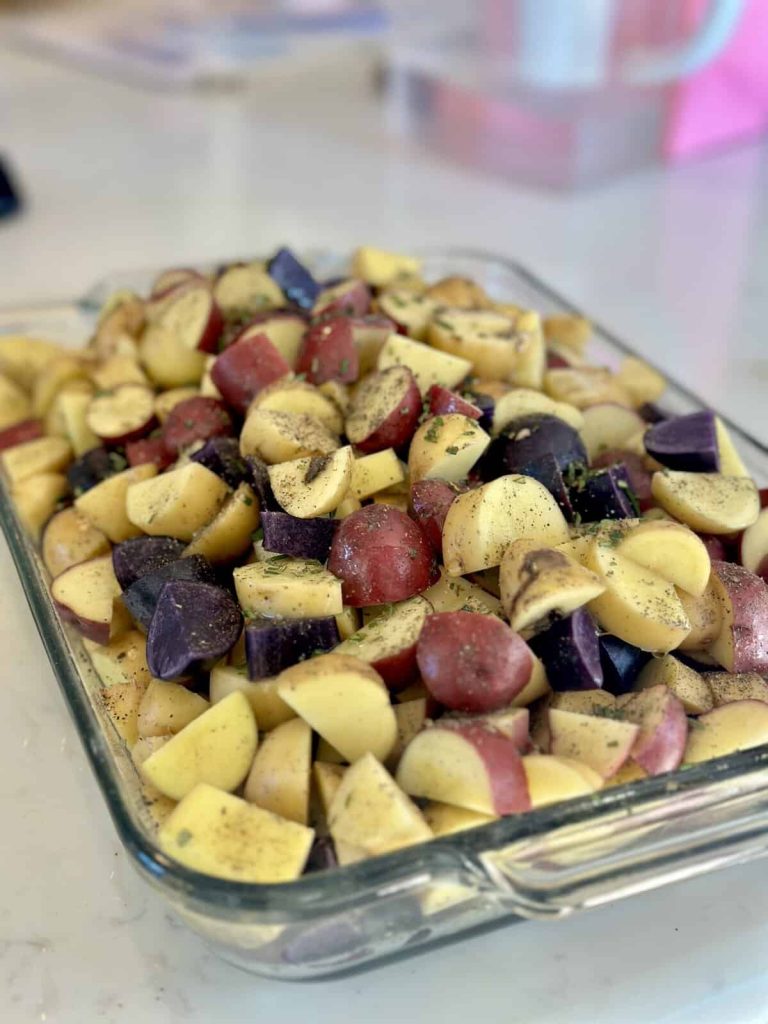
Red, gold and purple baby potatoes, halved and tossed with olive oil, garlic powder, dried thyme and salt. This is them seasoned and ready to go in. Spread them cut side down on a sheet pan (or in a big dish like this one) so they brown, and leave them alone for 25 to 30 minutes at 425°F before you turn them.
Add a pan of sausages or a roast chicken and this is dinner.
Roasted Carrots and Green Beans
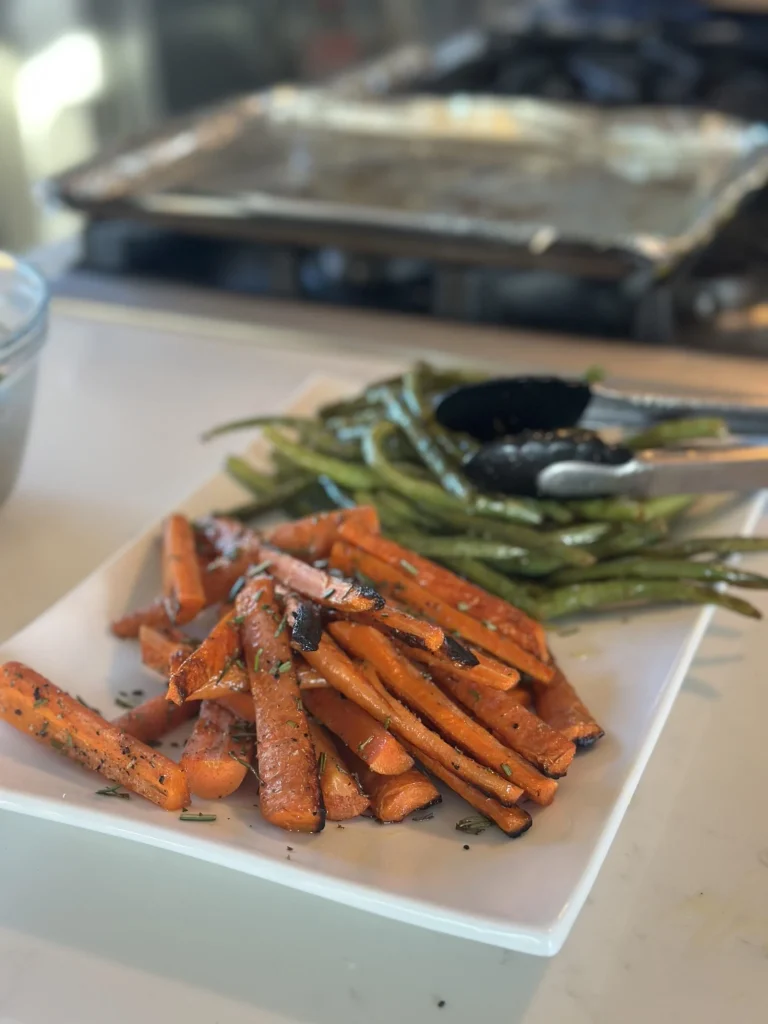
Carrots take longer than green beans, so cut the carrots into thin sticks and give them a 10 minute head start before the beans go on. Olive oil, salt, pepper and dried herbs, at 425°F.
On a white platter like this one they look like more effort than they were. It’s a side, but put a couple of chicken breasts on the same pan and you’re done.
Sheet Pan Black Bean Nachos
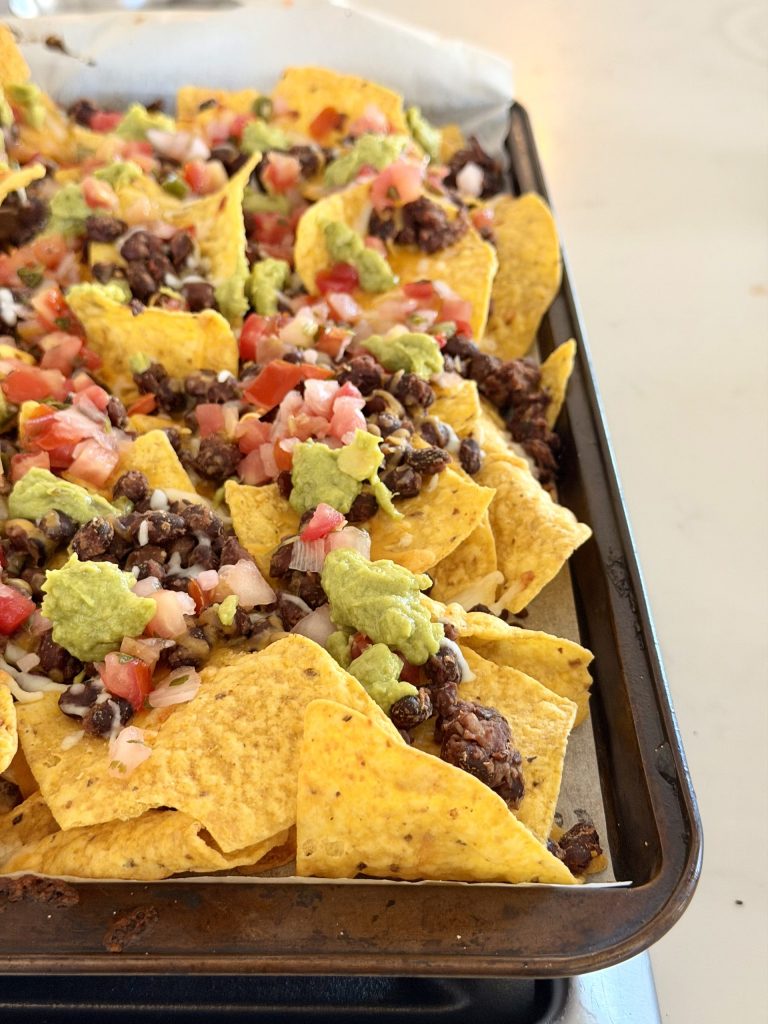
Tortilla chips in an even layer, then black beans, shredded cheese and a little taco-seasoned ground beef or chicken if you want it. Into the oven at 400°F for 8 to 10 minutes, just until the cheese melts. Then the cold stuff goes on top: diced tomato, avocado, jalapeño and cilantro, like the pan here.
Thin rounds of roasted sweet potato can stand in for half the chips if you want a fall twist. It’s not traditional, and I don’t think it needs to be.
Crispy Roasted Chicken Thighs
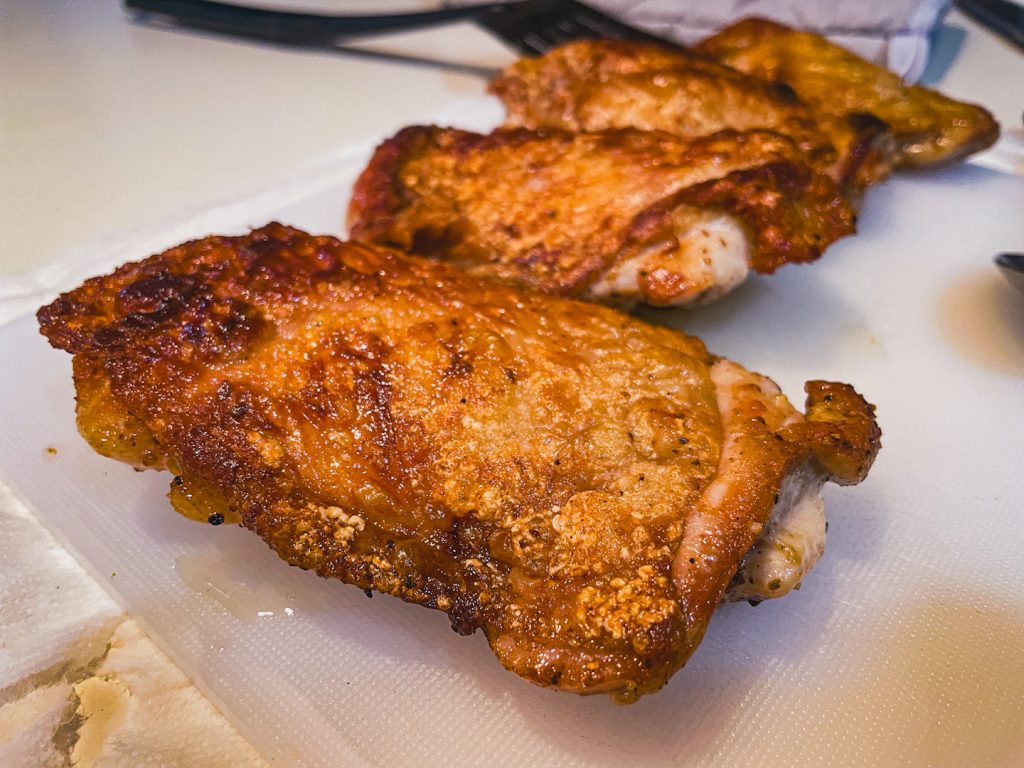
Bone-in, skin-on thighs patted very dry, rubbed with paprika, garlic powder, salt and pepper, and roasted skin side up at 425°F for about 35 minutes. Pour a splash of white wine into the pan for the last 10 minutes and spoon it over the top before you serve them.
Dry skin is the whole trick to getting them as crisp as the ones here. They are done at 165°F, though thighs stay juicy well past that.
Hill workouts are best done in intervals. Start at the bottom of a hill and go hard for repeats of at least 5 cycles, with slow trots in between each hard run, and gradually increase to 10 or even 15 repeats. Steeper hills may need fewer repeats, starting with 4 and increasing to 8 or 12. After a hill session, a pan of thighs that roasts on its own is about as much cooking as I want to do.
Roasted Beet and Arugula Salad
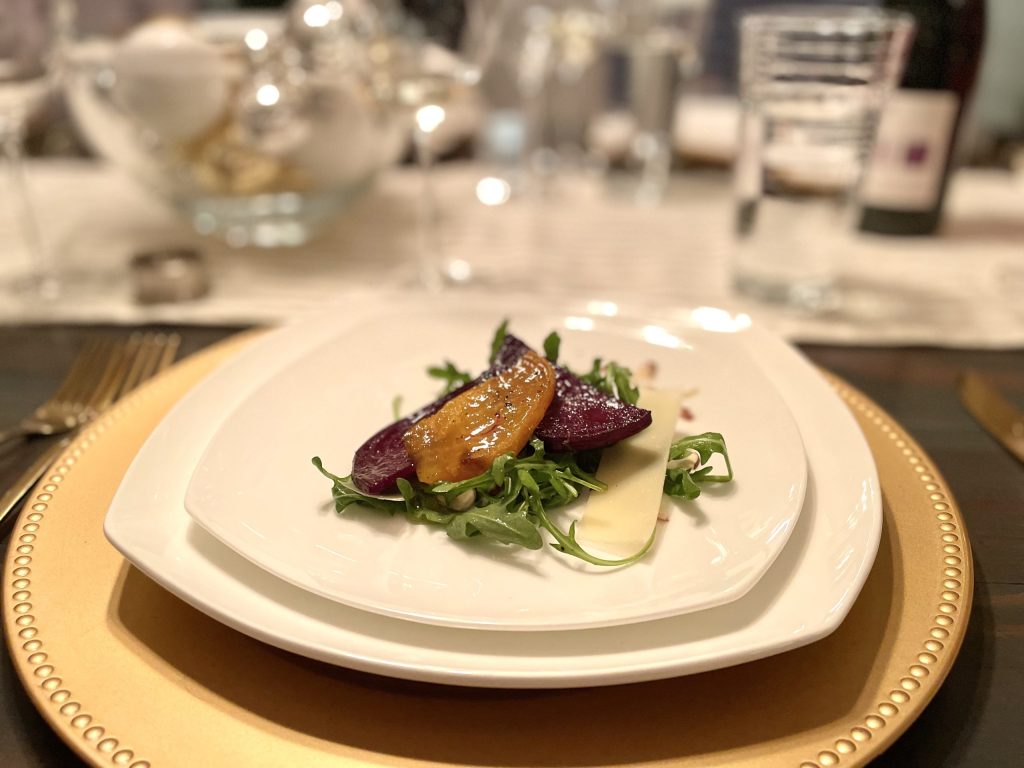
Wrap whole beets in foil and let them roast at 400°F for about an hour while something else shares the oven. Once they cool, the skins rub right off. Cut them into wedges and serve them over arugula with a little goat cheese and a balsamic glaze.
Plated small, the way it is here, it’s a starter for a fall dinner with company.
Meatloaf With Brussels Sprouts
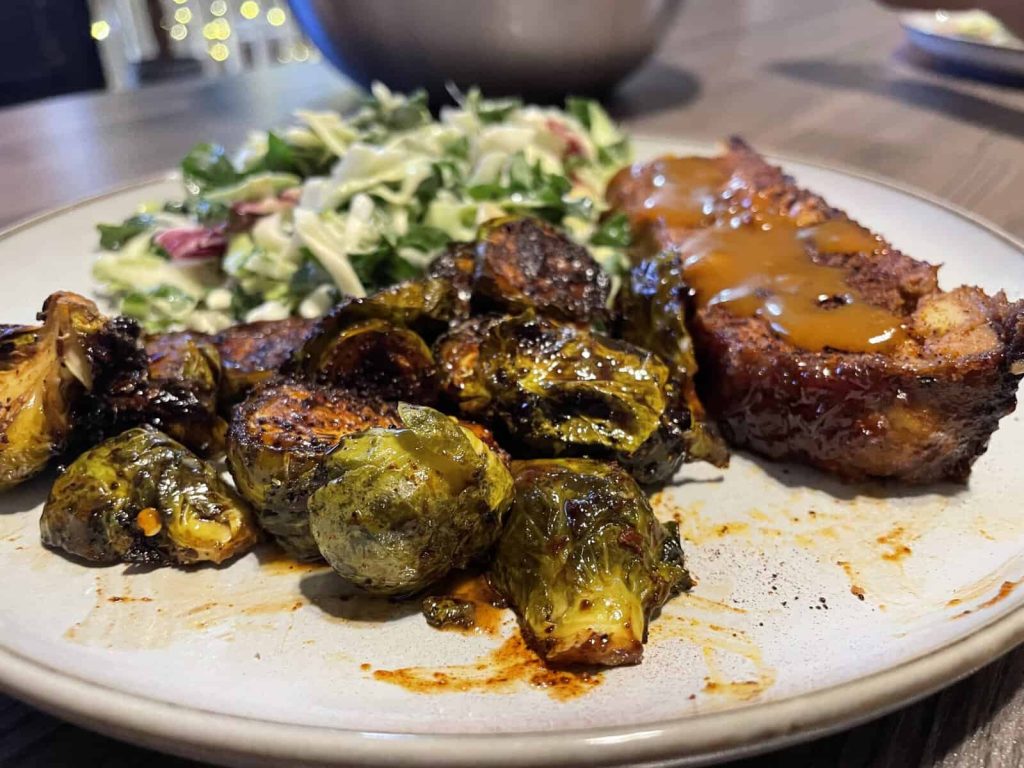
Shape the meatloaf into a free-form loaf right on the sheet pan instead of using a loaf pan. It cooks faster and gets more crust. Halved Brussels sprouts go around it with olive oil and salt, and the whole thing roasts at 375°F for about 50 minutes, until the center of the meatloaf hits 160°F.
Brush ketchup or a little barbecue sauce on top for the last 15 minutes. The sprouts come out dark and crispy at the edges, which is how I like them.
Roast Pork Loin
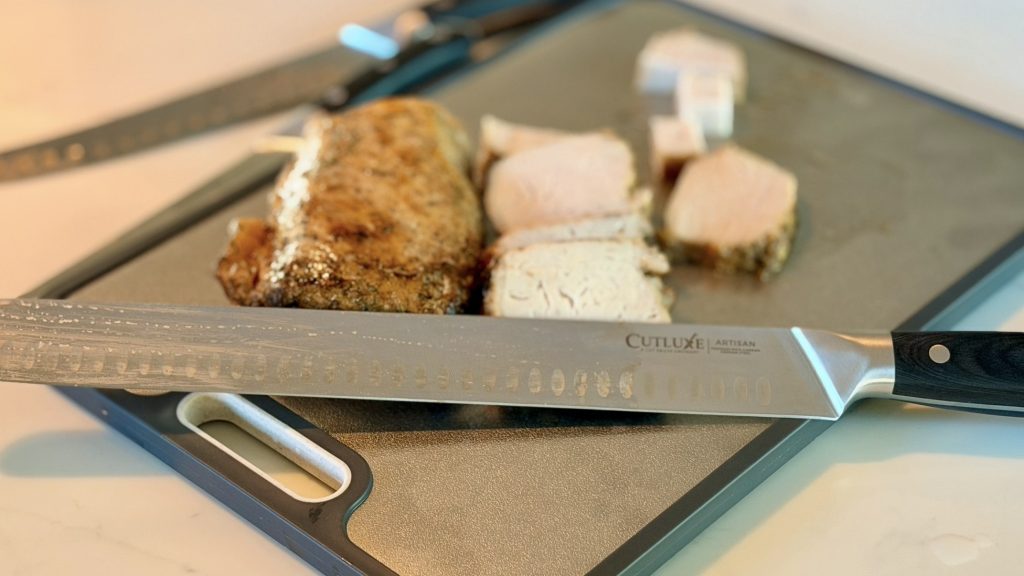
A boneless pork loin rubbed with olive oil, garlic, rosemary and thyme, roasted at 375°F until it hits 145°F inside, which for a 2 to 3 pound roast is roughly an hour. Add potatoes and onions around it for the last 40 minutes.
Let it rest, then slice it on a board like this one. Leftovers are good in sandwiches, and the FSIS advice is to cut a roast into smaller pieces so it cools quickly and use the leftovers within 3 to 4 days.
Roasted Grapes and Sausage
Italian sausage links and a couple of big handfuls of red grapes, tossed with olive oil and a splash of balsamic, at 425°F for 25 minutes, turning the sausages once. Check the sausage with a thermometer, since raw pork sausage is ground meat and needs 160°F.
Serve it with crusty bread or over polenta, and use the bread to wipe up the pan juices.