
Carb loading for a marathon begins several days prior to the run, not the morning of it. Pushing yourself through several hours of hard or even moderate running will deplete your energy more quickly than you think, and while many runners carry gels or chews for a pick up during the run, these are not enough to refuel when you are running on empty. Do not attempt to carb load the morning of your race unless you want to experience tummy trouble or several stops to the bathroom along the course. Typically, I eat a bowl of oatmeal or a piece of toast with a banana and a handful of pistachios on the morning of a marathon, and I snack on half of a Clif bar on my way there.
The real carb loading happens at dinner in the days before, which in my book means pasta. These one-pot pasta ideas (a few use one skillet or one baking dish instead, but you get the idea) cook the noodles right in the sauce, so there’s one pot to wash. Lemon orzo, baked ziti, taco pasta, skillet lasagna and a spinach pesto pasta are all in here, and you don’t need a race on the calendar to make any of them.
Baked Ziti
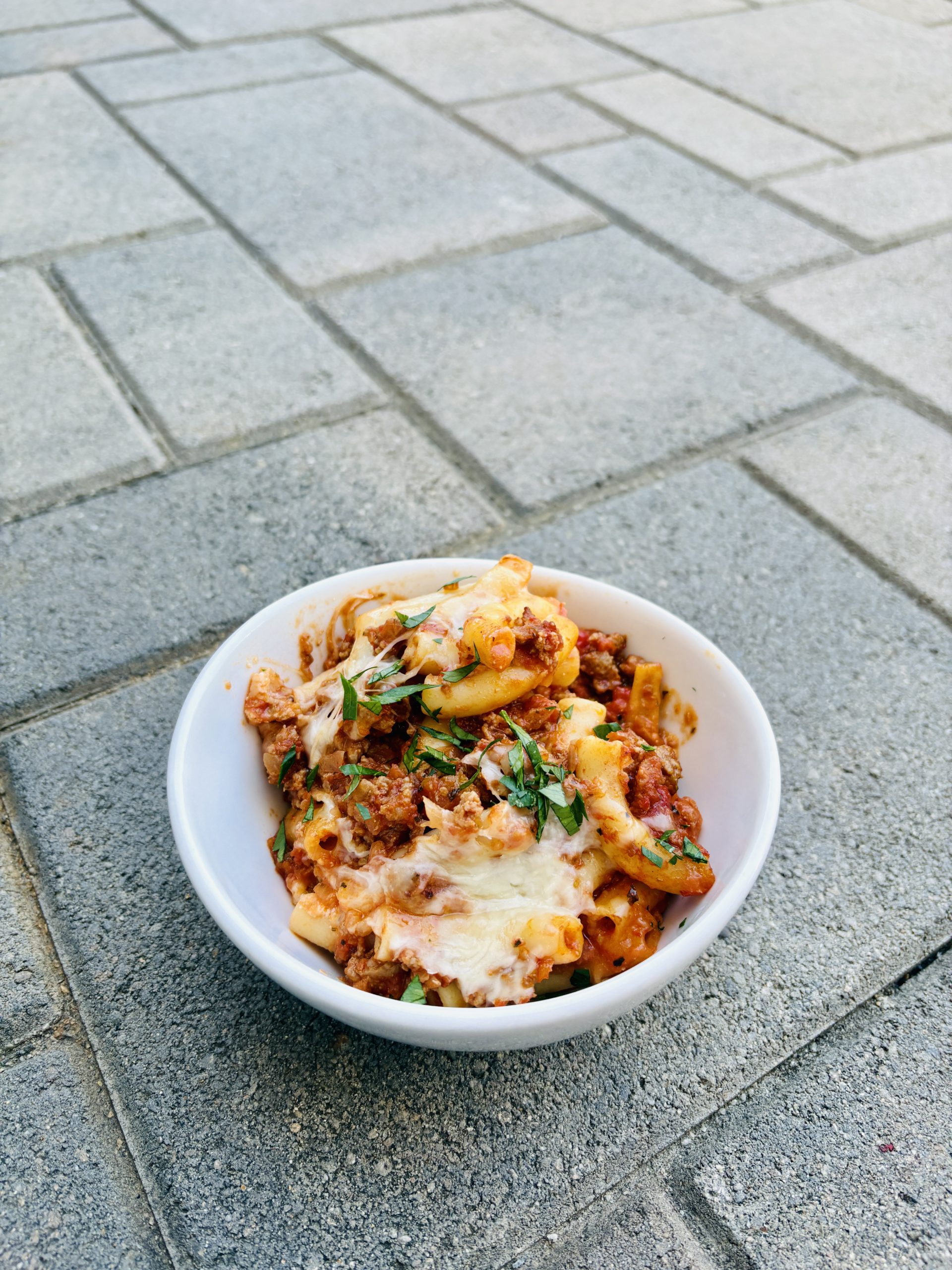
Ziti, marinara, ricotta and mozzarella layered in one baking dish and baked until the top browns. Cook the pasta a couple minutes short so it finishes in the oven without going soft.
Lemon Orzo
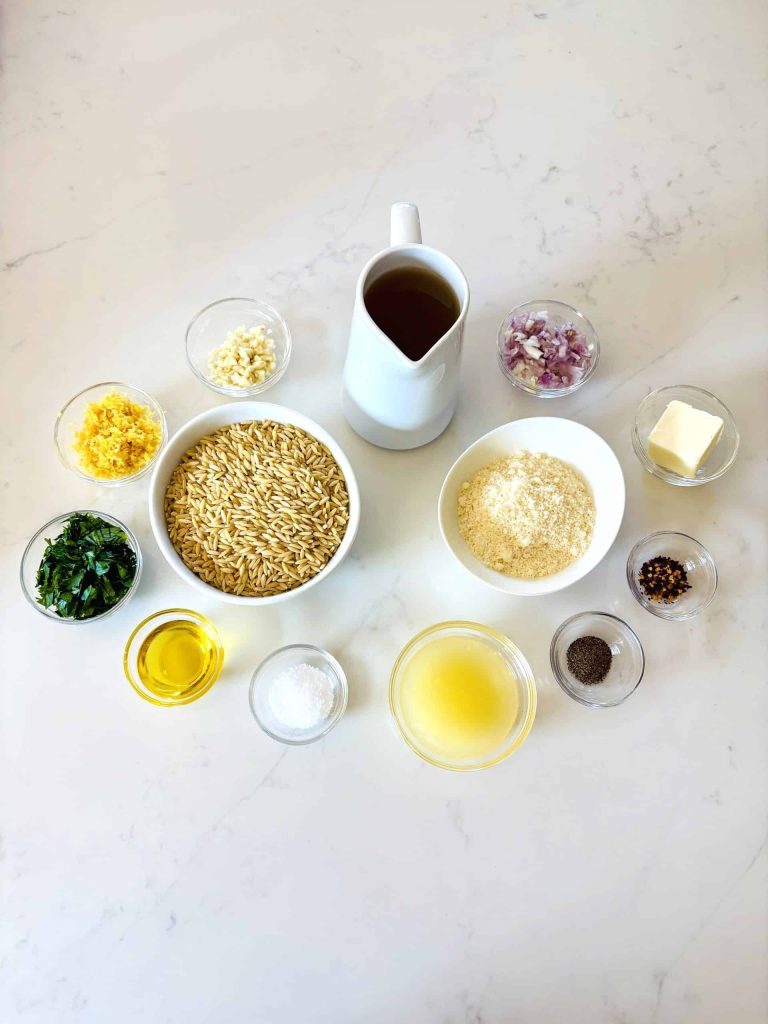
This is the lineup for it: orzo, broth, butter, a lemon (zest and juice), Parmesan, a shallot, garlic, chopped parsley and a pinch of red pepper flakes. Soften the shallot and garlic in butter, toast the orzo for a minute, then add the broth and let it absorb like a quick risotto, about 10 minutes.
Lemon and cheese go in off the heat. Thin it with a splash of broth if it sets up while it sits.
Basil Spinach Pesto Pasta
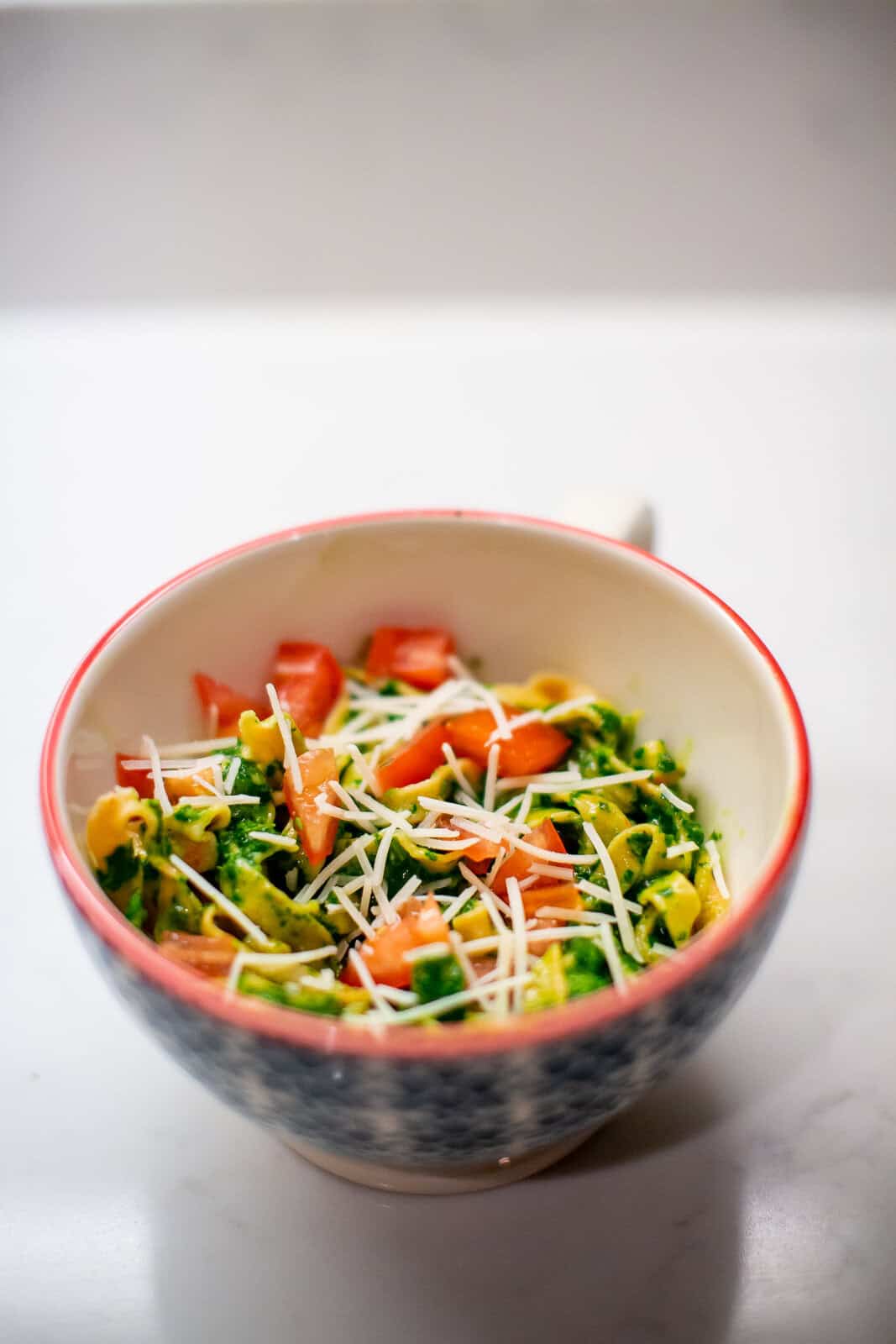
Basil, a couple handfuls of spinach, parmesan, garlic and olive oil blended into pesto, then tossed with hot pasta and a splash of the cooking water. The spinach stretches the basil and keeps the color bright.
Where Your Carbs Should Come From
Not all carbs are created equal. Do not expect to fill up on foods that are 90% junk starch and be 100% prepared and carb loaded for your race. Carbs need to come from complex sources, such as whole grains and pastas. Snack foods can include granola bars, quinoa, oats, brown rice, fruit and whole grain bread. Bread that is heavy, dense and nutty is a good source, and pasta made from whole grains holds up well for this too (any of the dishes below work with a whole wheat box).
I cannot stress enough how important it is to balance your protein with your carbs, since protein keeps your muscles going strong in repair mode. Snack often, but do not use snacks as meal replacements. And focus on hydrating rather than carb loading with your liquid intake. If you think you may be overdoing your carb loading prior to the race, chances are you are actually on the right track.
Taco Pasta
Brown a pound of ground beef with onion, stir in taco seasoning, then add uncooked medium shells, a jar of salsa and 3 cups of broth. Cover and simmer about 12 minutes, until the shells are tender.
Shredded cheddar on top with the lid back on for a minute, then whatever you’d put on a taco. I’d go with green onions, sour cream and maybe some crushed tortilla chips for crunch.
Butternut Squash Gnocchi
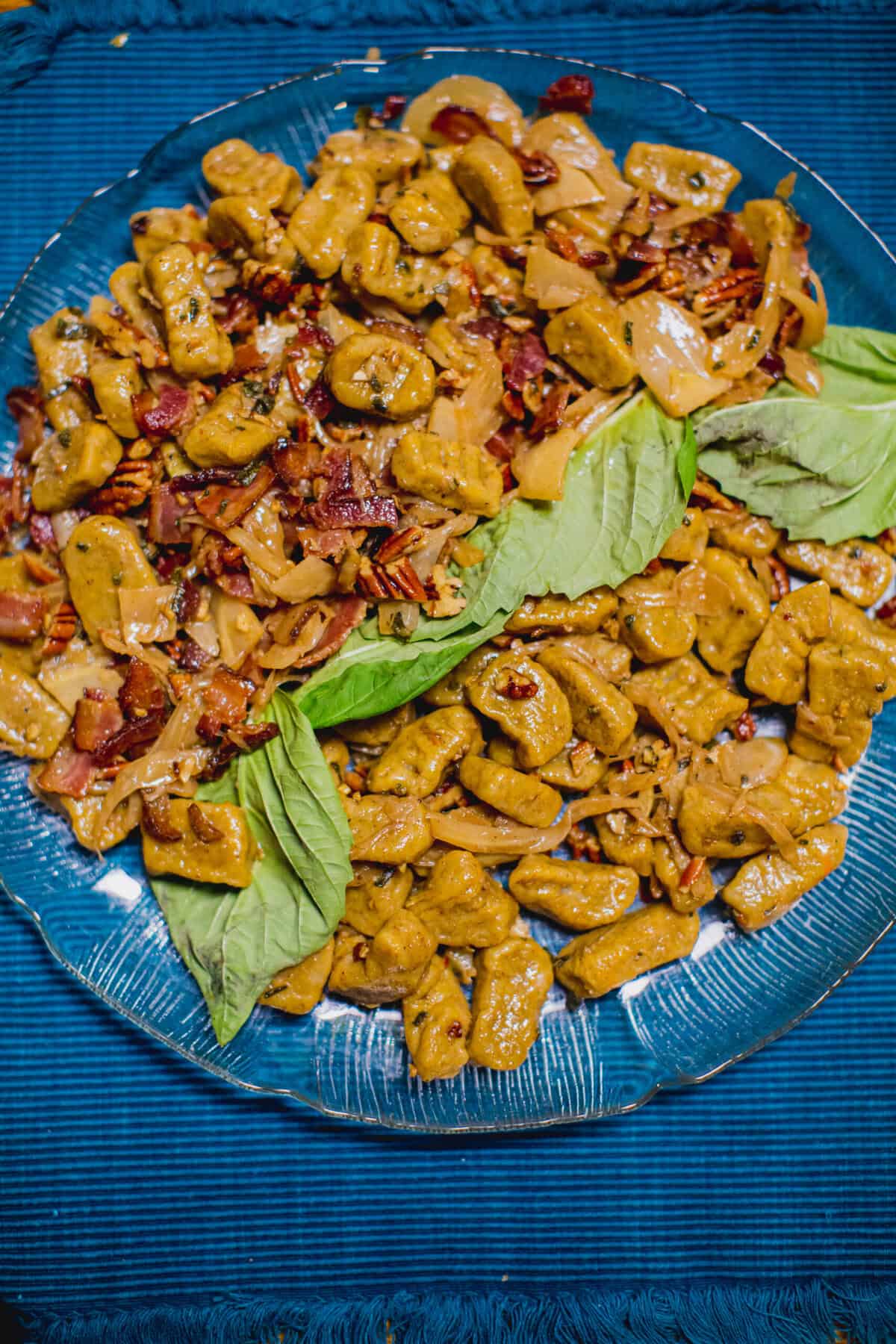
Store-bought gnocchi browned in butter with cubes of butternut squash and a few sage leaves, all in one skillet. A little parmesan on top and that’s dinner.
Pasta Primavera
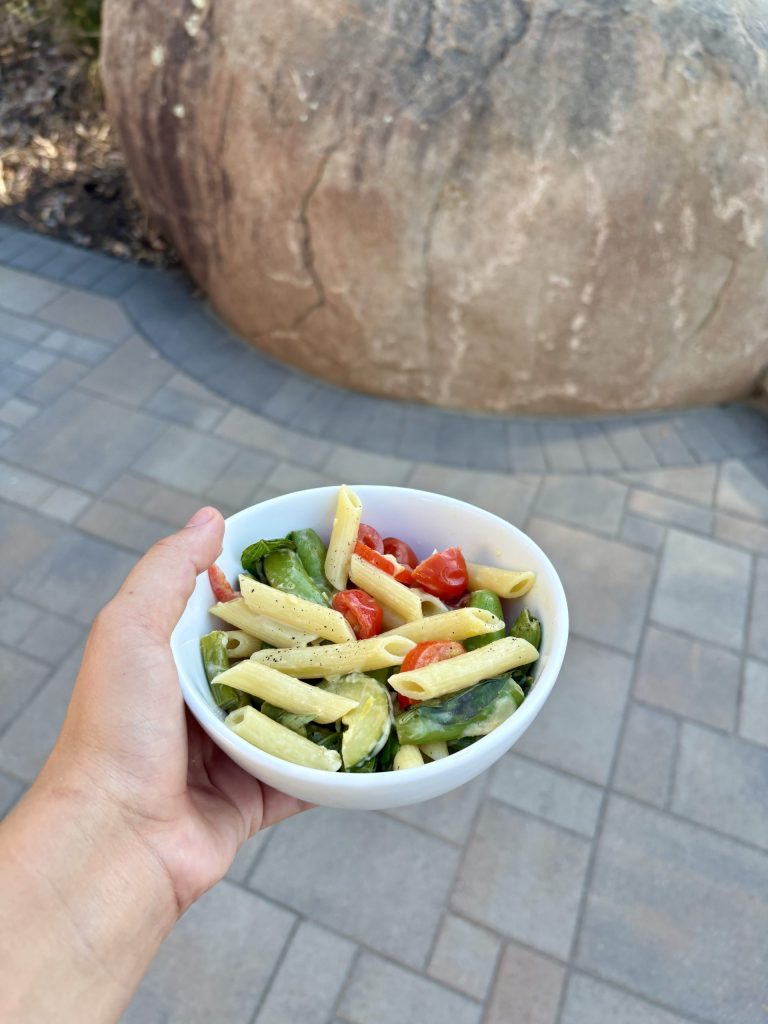
Penne with whatever vegetables are around. Zucchini, cherry tomatoes and spinach are what’s in the bowl here, but asparagus, peas and peppers fit right in. Start the penne in broth, add the firmer vegetables for the last 5 minutes and the tomatoes and greens at the very end so they keep some shape.
A squeeze of lemon and some Parmesan and you’re done. It holds up fine at room temperature, too, which makes it a decent one to bring along somewhere.
Chicken Alfredo
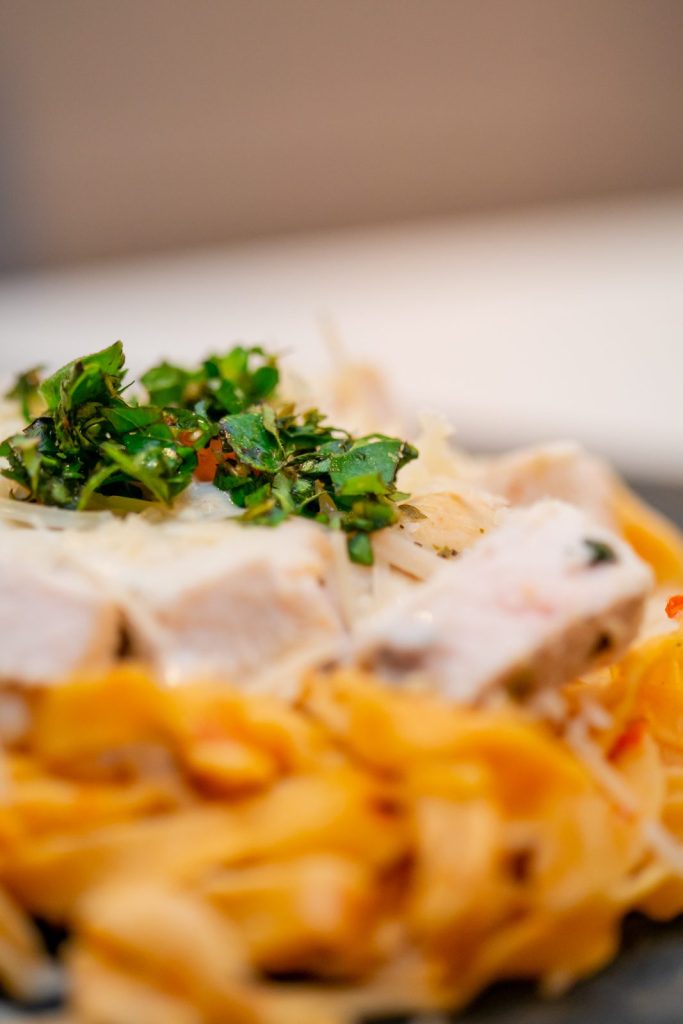
Sear sliced chicken breast in a deep skillet or Dutch oven and set it aside. Then fettuccine (broken in half so it fits), garlic and enough chicken broth and milk to cover go into the same pot, and it simmers, stirred often so the noodles don’t stick, until the pasta is tender and most of the liquid is gone.
Off the heat, a knob of butter and a big handful of grated Parmesan turn what’s left into the sauce. The chicken goes back on top, cooked through to 165°F, with some chopped herbs, about like the plate here.
Buttered Noodles
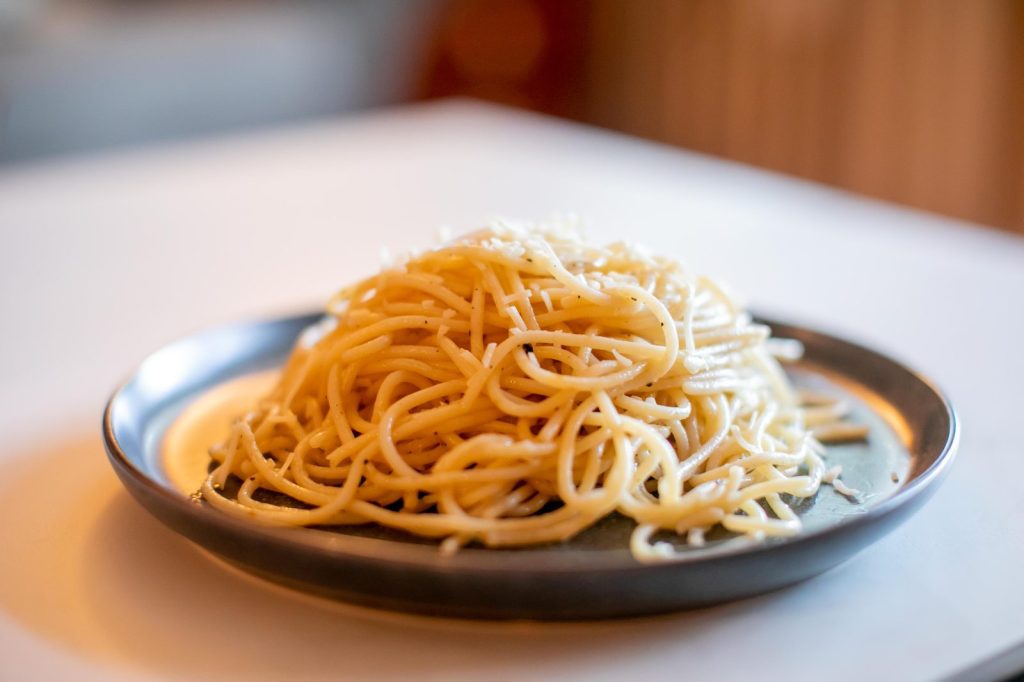
Not much to these, and that’s the point. Spaghetti or egg noodles, a few tablespoons of butter, salt and a heavy blanket of Parmesan, like the plate here.
This is the bowl I’d want the night before a race, when nothing new is on the menu.
Cutting Back Mileage Before a Half Marathon
The process of reducing your training load is called tapering, and while some runners prefer to start it 10 days before a race, others start to reduce their load about 2 weeks before the set date. Tapering has psychological and physical benefits because it also allows you to relax your mind knowing that you’ve done your best. A rough outline:
- About 10 to 14 days out: your last peak training. A beginner might do the longest run of about 13 miles 14 days before the race, and an experienced runner can do it 10 days before and still recover.
- The week before: your mileage can be between 60% and 80% of your peak. Cut way back on strength training or drop it completely so you don’t drain yourself or suffer an injury right before the race.
- Race week: you might end up running 40% to 50% of your peak. The purpose of this week is not to improve your performance but to keep your body and mind relaxed. Include one run about 5 days before race day where you run 2 to 3 miles at goal pace.
- At the table: stick to a healthy diet, but you don’t need to overeat or change your diet dramatically. Fatty foods can make you lethargic, and it’s best not to try any new food during the final week.
Cheeseburger Pasta Bake
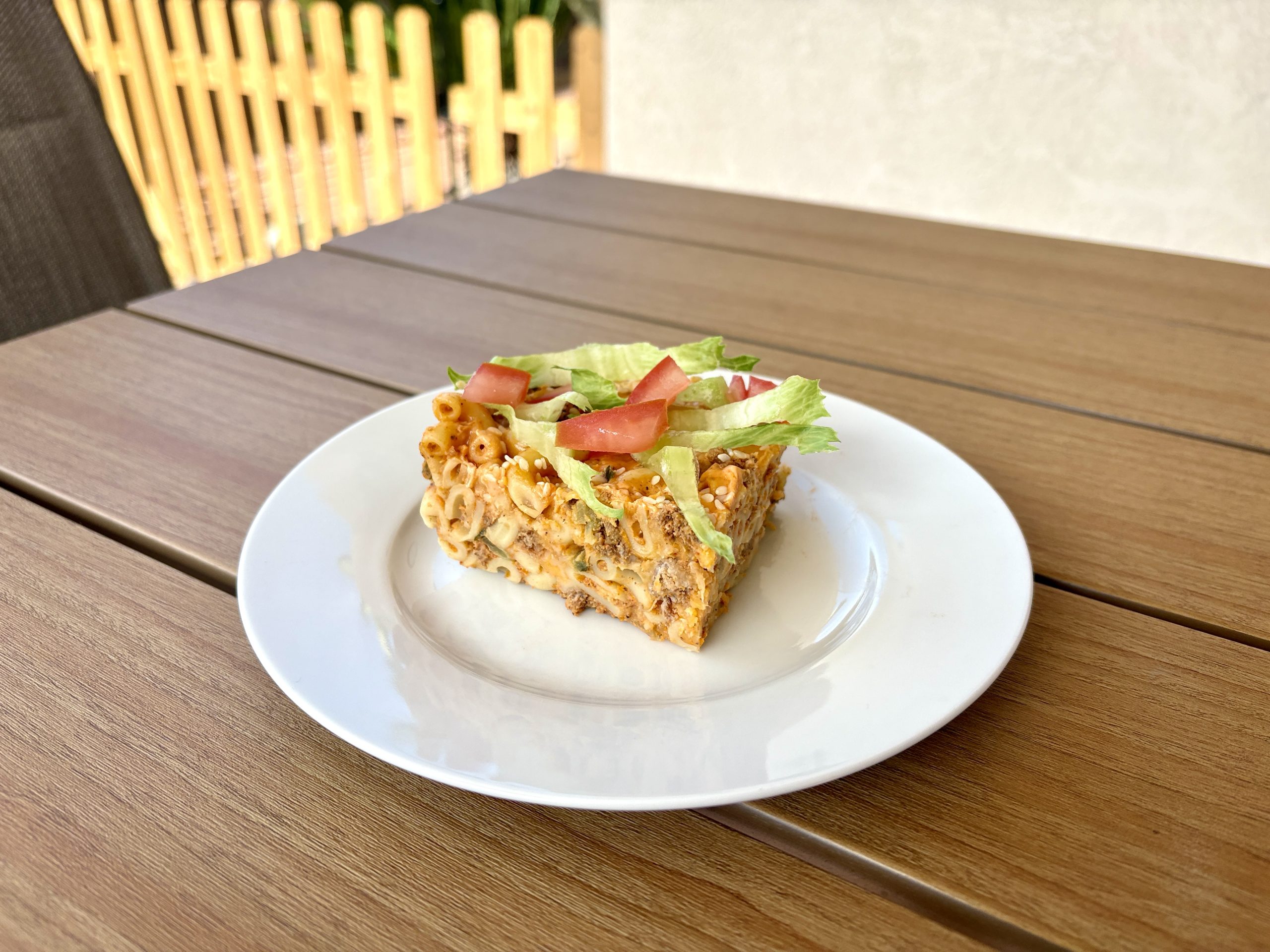
Ground beef, onion, tomato sauce and short pasta stirred together, covered in cheddar and baked in the same dish. Pickles on top if you want the full cheeseburger effect.
Spaghetti Marinara With Fresh Basil
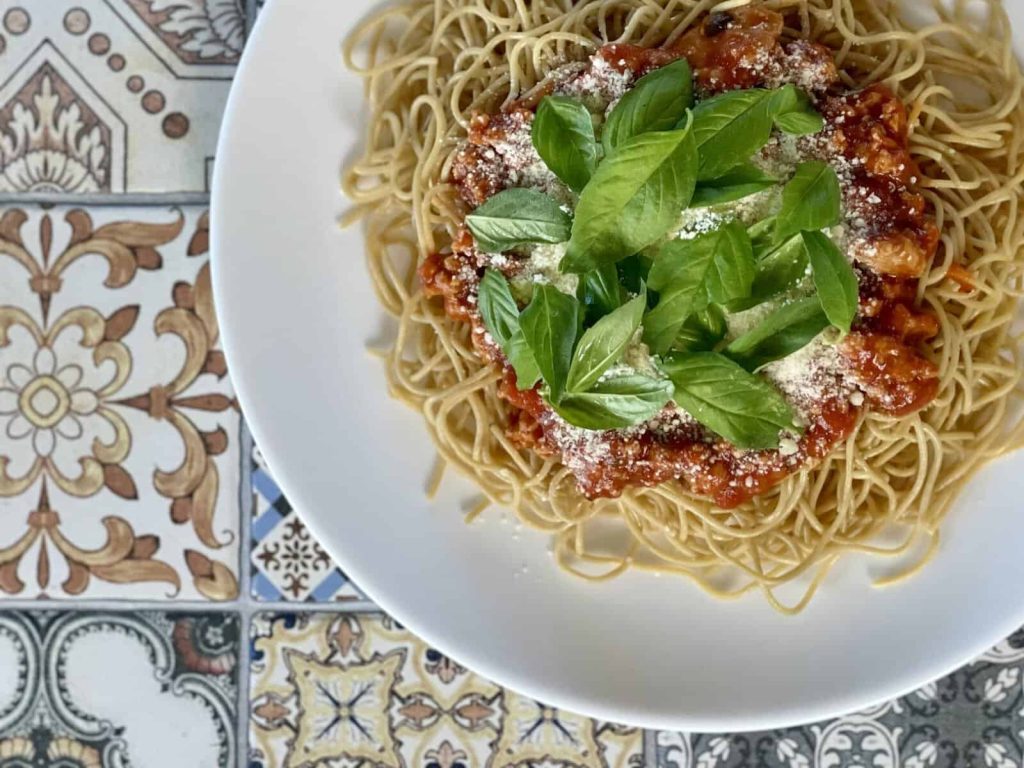
For the one-pot version, break the spaghetti in half (purists, look away) and lay it in a wide pot with a can of crushed tomatoes, garlic, olive oil and enough water to cover. Simmer, stirring often, for about 10 minutes.
The fresh basil piled on top, like the plate here, makes more difference than you’d expect.
Italian Pasta Salad
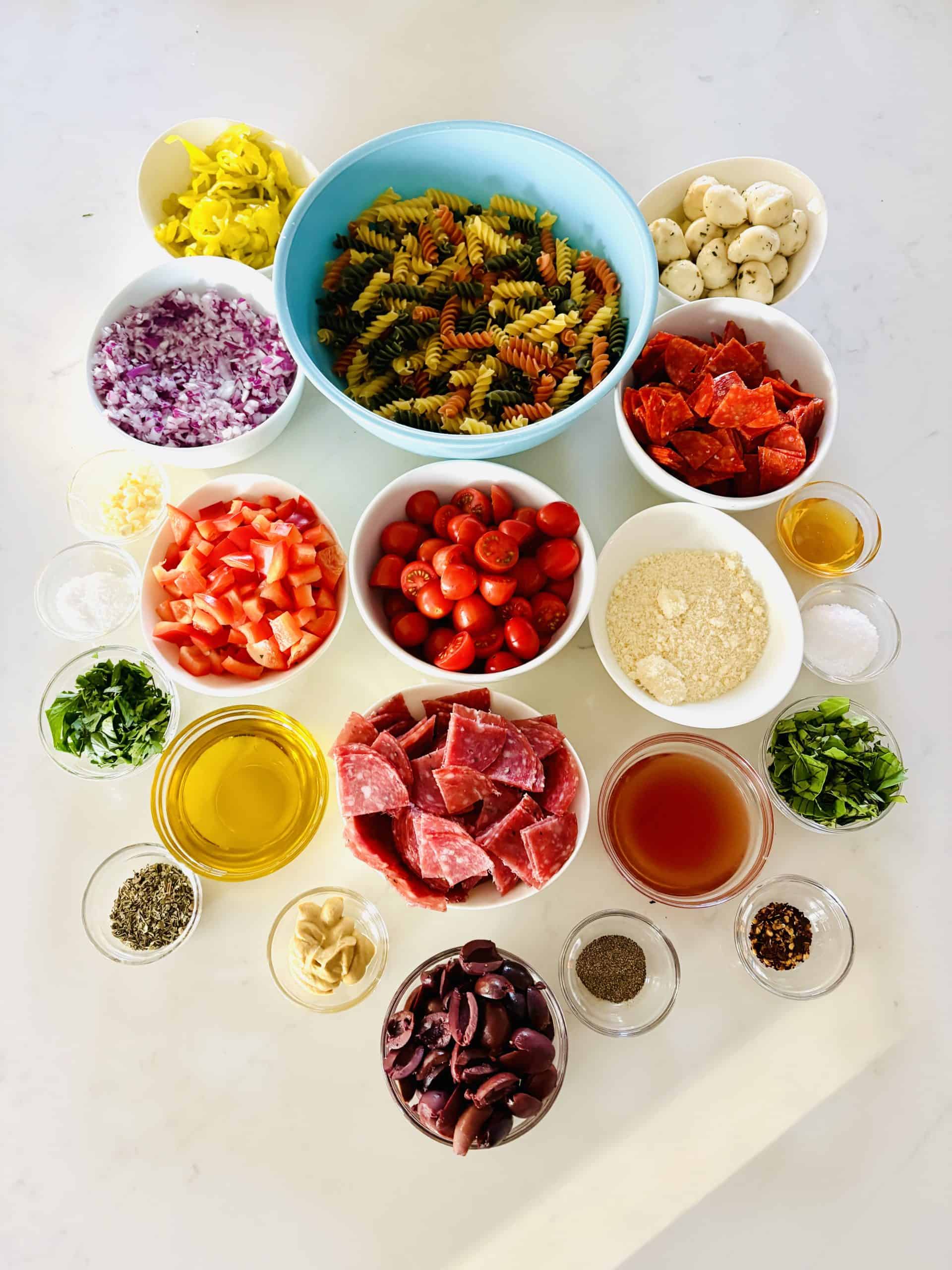
Everything laid out before it goes in the bowl: rotini, salami, mozzarella, olives, cherry tomatoes, red onion and peppers, tossed with Italian dressing. One pot for the pasta and it keeps in the fridge 3 to 4 days.
Sausage and Broccoli Orecchiette
Squeeze Italian sausage out of its casings and brown it in crumbles. Add orecchiette and broth, and when the pasta is about halfway done, toss in small broccoli florets so they cook in the same pot. Finish with a handful of Parmesan, some red pepper flakes and lemon zest. The little ear-shaped pasta catches the bits of sausage, which is the whole reason to use it.
How a 12 Week Marathon Plan Fits Together
A 12 week marathon training plan has a mix of running days, strength training days and rest days. The runs are set by Rate of Perceived Exertion (RPE), a 0 to 10 scale based on how hard it is to hold a conversation as you run. The higher the number, the harder the run.
Pace runs sit at 4 to 5 and are designed to improve your average pace. Training runs are usually longer than pace runs but have a lower RPE, around 3 to 4. Long runs have the lowest RPE of them all, 2 to 3 to be exact, and they’re the bread and butter of your marathon training, building from 8 miles in week 1 to 21 miles in week 9. Strength training should last anywhere between 45 and 60 minutes, and hill intervals alternate between speed (5 to 15 seconds uphill as fast as you can) and fatigue resistance (20 to 30 seconds).
The severity of the training gradually increases until the last 2 weeks before the marathon, then drops considerably, down to a few short runs and rest days in race week. Training for a marathon will test your body, mind and soul. Don’t quit and keep going.
Peanut Noodles
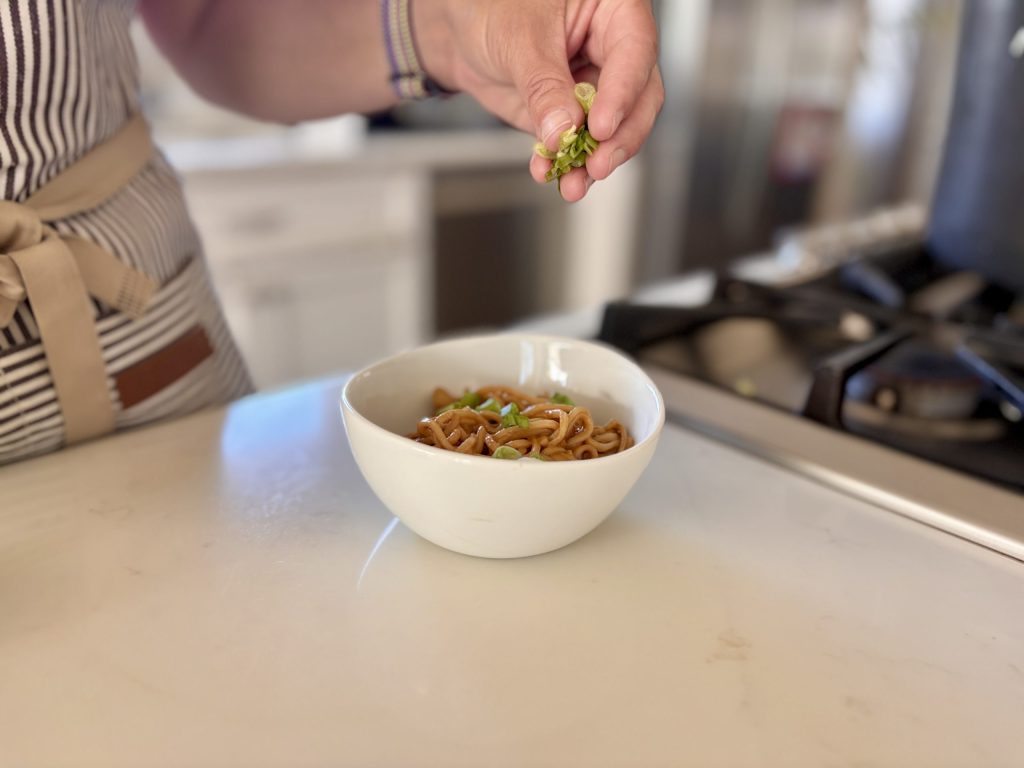
Whisk peanut butter, soy sauce, rice vinegar, a little honey, grated ginger and garlic with some hot water until it’s pourable. Toss with cooked noodles (spaghetti works fine) and finish with sliced green onions, like the bowl here. Cucumber, shredded carrot or chopped peanuts add some crunch if you want it.
These are good cold, which makes them a picnic dish. Just don’t leave them out more than 2 hours, or 1 hour if it’s over 90°F, per the USDA’s guidance on leftovers.
Baked Feta Pasta
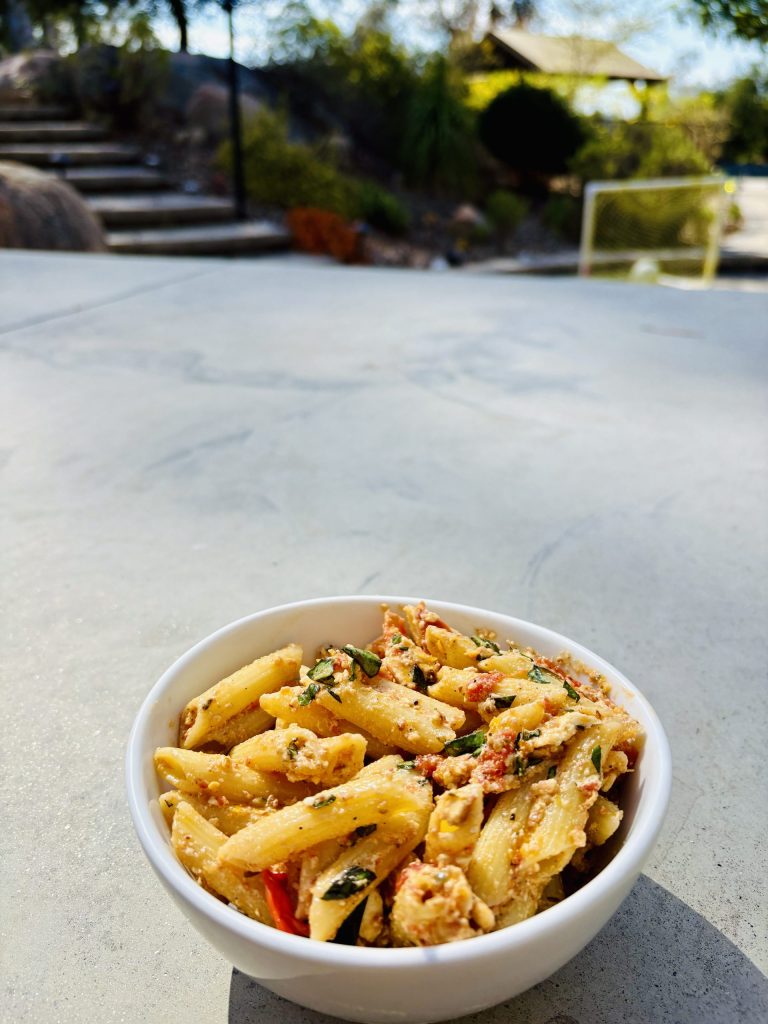
A block of feta in the middle of a Dutch oven, cherry tomatoes all around it, olive oil, garlic and a pinch of red pepper flakes. Bake it uncovered at 400°F for about 30 minutes, until the tomatoes burst. Then set the pot on the stove, mash everything together, add dry pasta and enough broth to cover, and simmer until the pasta is tender. Fresh basil at the end.
Short shapes grab the sauce best. Penne, like the bowl here, is fine, and rigatoni or cavatappi work too.
Skillet Lasagna
All the lasagna flavor without layering anything. Brown ground beef or Italian sausage in a deep skillet, add marinara and some water, then break lasagna noodles into pieces and nestle them in the sauce. Cover and simmer about 20 minutes.
Dollop ricotta on top, scatter mozzarella over it and put the lid back on until it melts. I’d add a handful of spinach with the noodles to sneak something green in.
Macaroni Salad
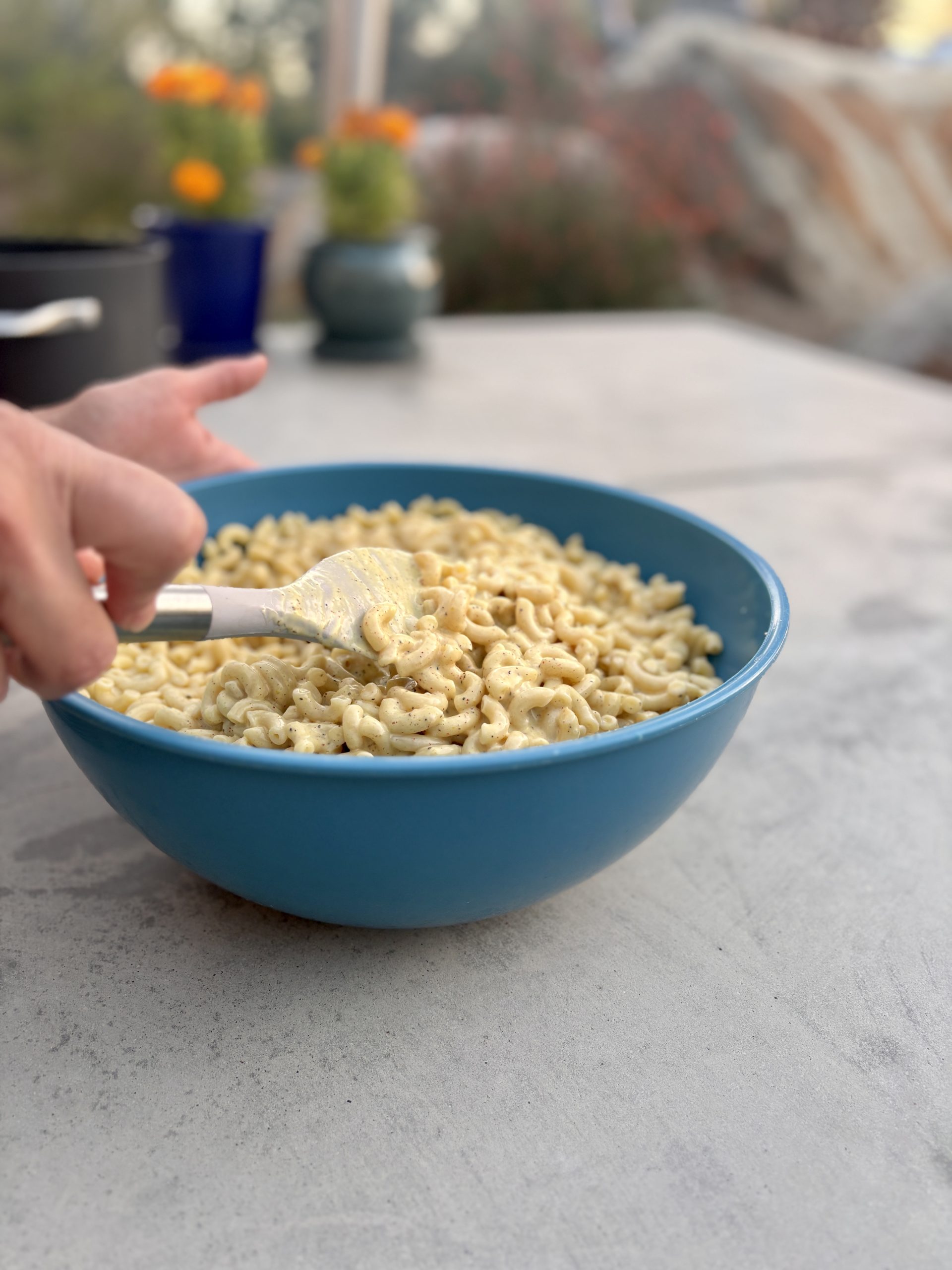
Elbow macaroni cooked, rinsed and folded into mayo with a little vinegar, celery, red onion and a pinch of sugar. It gets better after a few hours in the fridge.
Age Grading Your Marathon Time
Comparing the marathon finish times of a 25 year old runner to that of one in his or her 50s is hardly fair. That’s where an age grade calculator comes in. Age grading is a method that applies a formula to each runner’s actual time to account for slowing due to age factors. It’s mostly used by master runners to see how their times compare to younger runners on a level playing field, but it can show anyone where they’re at.
Roughly, 90 percent is world class, 80 percent national class, 70 percent regional class and 60 percent local class. Enter the level you’re after along with your gender, age and the distance (42.2 km for a marathon), and the calculator gives you the time you’d need to clock. Even if clocking faster times isn’t one of your goals, that’s perfectly fine. These numbers remind us that we’re part of a global running community lacing up and getting active. Whatever time you’re chasing, the dinners in the days before the race can look the same: a pot of pasta you’ve made before.
Tortellini With Spinach
Refrigerated cheese tortellini only needs a few minutes, so this one moves fast. Simmer it right in chicken broth with garlic and a can of diced tomatoes, stir in a few handfuls of baby spinach until it wilts, and finish with a little cream and Parmesan. Leave out the cream and add more broth and it turns into soup, which I don’t mind either.
Salmon Angel Hair With Broccolini
Sear the salmon in a deep skillet and move it to a plate. Then the broccolini goes into the same pan with a splash of broth, followed by the angel hair (it only needs 3 or 4 minutes) and a little more broth. Toss it all with olive oil, lemon, garlic and a few chopped herbs and set the fillet on top.
Fish is done at 145°F on the USDA safe temperature chart, or when it flakes apart with a fork. Broccolini can char a bit. That’s a good thing.
Chili Garlic Shrimp Linguine
Sauté shrimp in butter and olive oil with a lot of garlic and a spoonful of chili garlic sauce, just until they turn pink, then pull them out so they don’t go rubbery. Toss the linguine into the same pan with some pasta water, a squeeze of lime and the shrimp. Green onions on top. Adjust the chili garlic sauce to how much heat you like.
Pepper Crusted Chicken With Pasta
Pound a chicken breast thin, press coarse cracked pepper and salt into both sides and sear it in a hot skillet until it hits 165°F. Let it rest while you toss angel hair or spaghetti in the same pan with butter, garlic and a splash of broth to pick up the browned bits.
Serve the chicken over the pasta with a side salad.