
My wife J.J. has never claimed to be a runner, and much of our married life has been filled with conversations about her disdain for the sport I claimed was fun. After all, what is fun about getting all sweaty, tired, sore and, well, choosing to purposefully engage in something that is used as punishment in every other sport. I have to admit those are valid points.
So when she decided at the end of one summer that a 5k was a goal she wanted to accomplish, I had her signed up for the Turkey Trot in Kennewick probably before she even finished the sentence. A couple of years later she started eyeing a half marathon, and by the next day I already had her registered for the race and her training plan put together.
Training plans are the part I’m good at. Dinner on a 9-mile Thursday is another story, which is where these make-ahead dinners come in. Most are casseroles and bakes you can put together on a Sunday, keep in the fridge or freezer, and reheat when the week gets away from you.
Baked Ziti
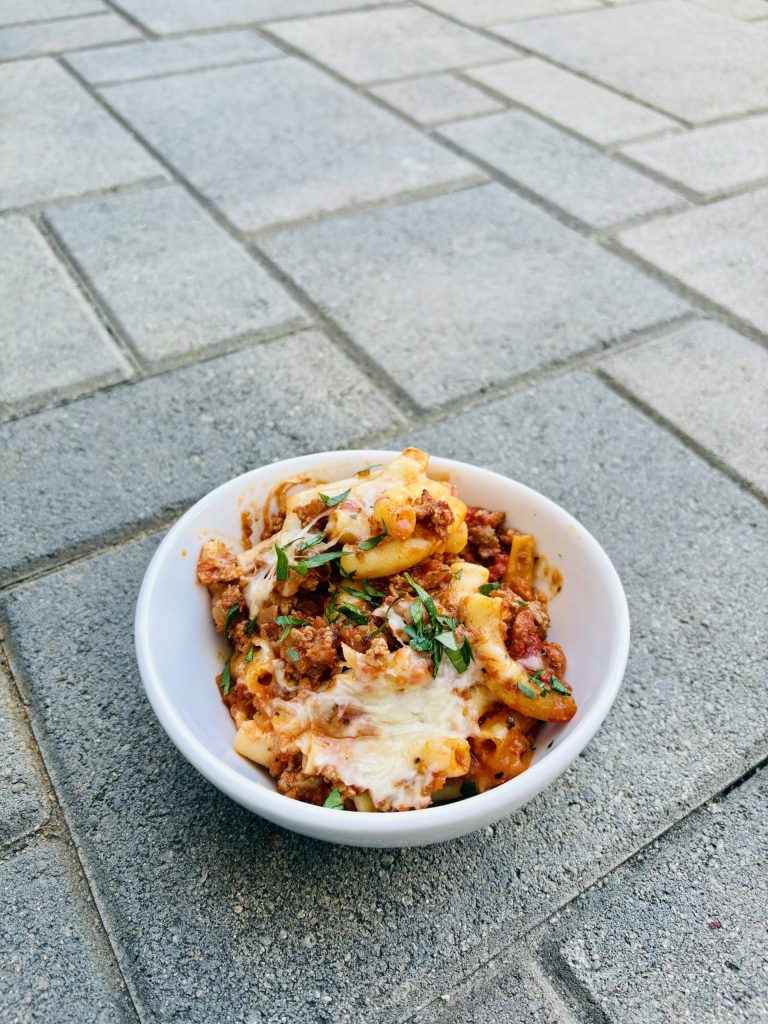
Ziti cooked a couple of minutes short of the package time, tossed with marinara and browned Italian sausage, then layered with spoonfuls of ricotta and a lot of mozzarella. Cover it and park it in the fridge until the next night, then bake at 375°F until it bubbles at the edges.
It freezes well, too. FSIS lists casseroles at 2 to 3 months in a 0°F freezer for best quality, and I’d thaw it in the fridge overnight before it goes in the oven.
Enchilada Casserole
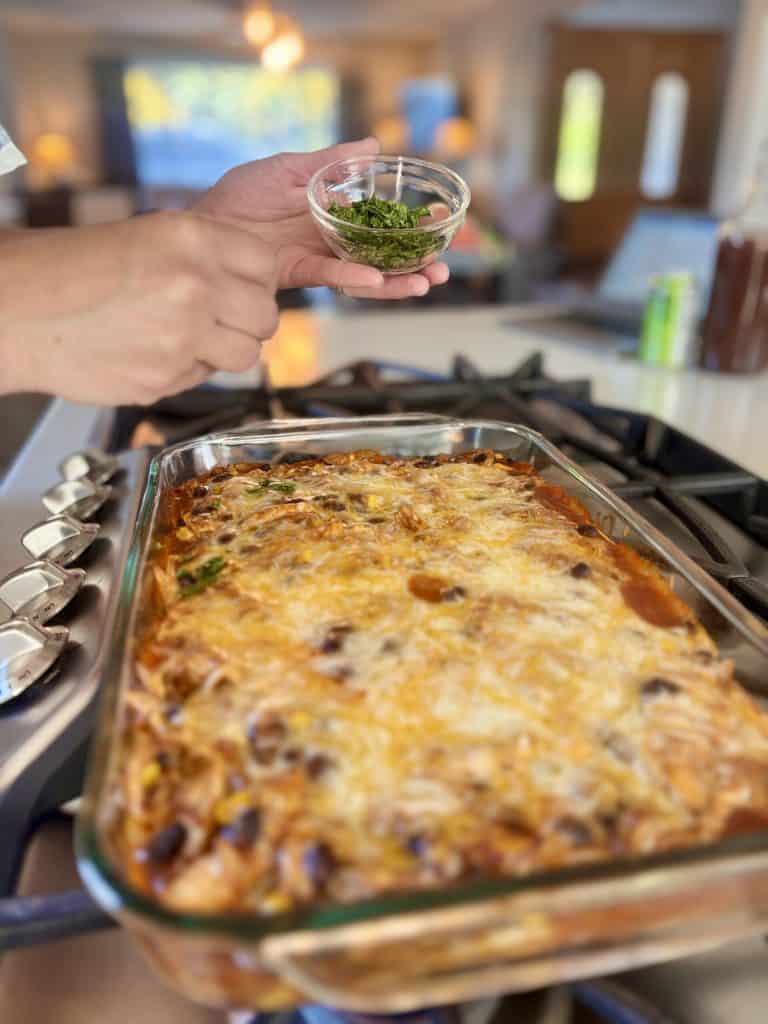
All the flavor of enchiladas without rolling anything. Corn tortillas layered with seasoned ground beef or shredded chicken, black beans, red enchilada sauce and a good amount of cheese, assembled the night before and baked at 375°F for about 30 minutes, until it bubbles at the edges.
The pan here is getting a handful of fresh cilantro right out of the oven, which I’d do every time.
Cheeseburger Casserole
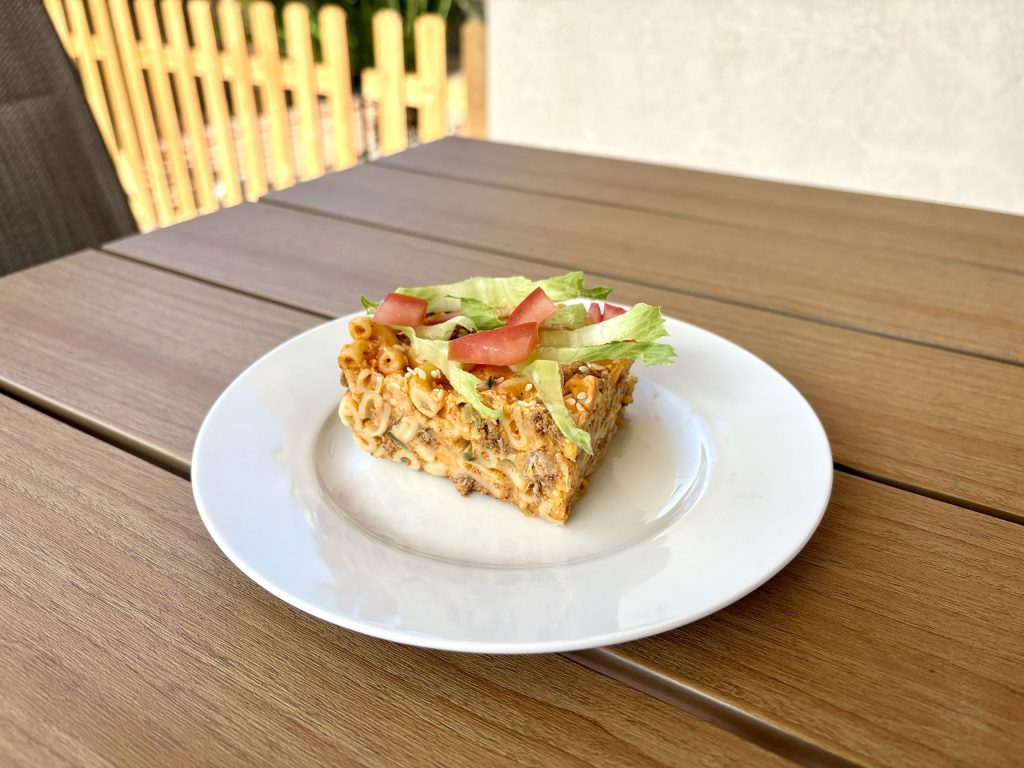
All the parts of a cheeseburger minus the bun. Ground beef cooked with onion to 160°F, then stirred into elbow pasta with a little ketchup and mustard, a can of diced tomatoes and a pile of cheddar. Pickles are optional (in my book they’re not).
Top each square with shredded lettuce and tomato after it comes out of the oven, like the slice here, so the lettuce stays crisp.
Shepherd’s Pie
Ground lamb (with ground beef it’s technically cottage pie, though I doubt anyone will check) browned with carrots, peas, onion, a spoonful of tomato paste and some Worcestershire. Spread mashed potatoes over the top and rough it up with a fork so the ridges brown.
You can build the whole thing a day ahead. Bake it cold from the fridge at 375°F for 40 to 45 minutes and make sure the middle reaches 165°F, which is where the FSIS safe temperature chart puts leftovers and casseroles.
Meatballs in Marinara
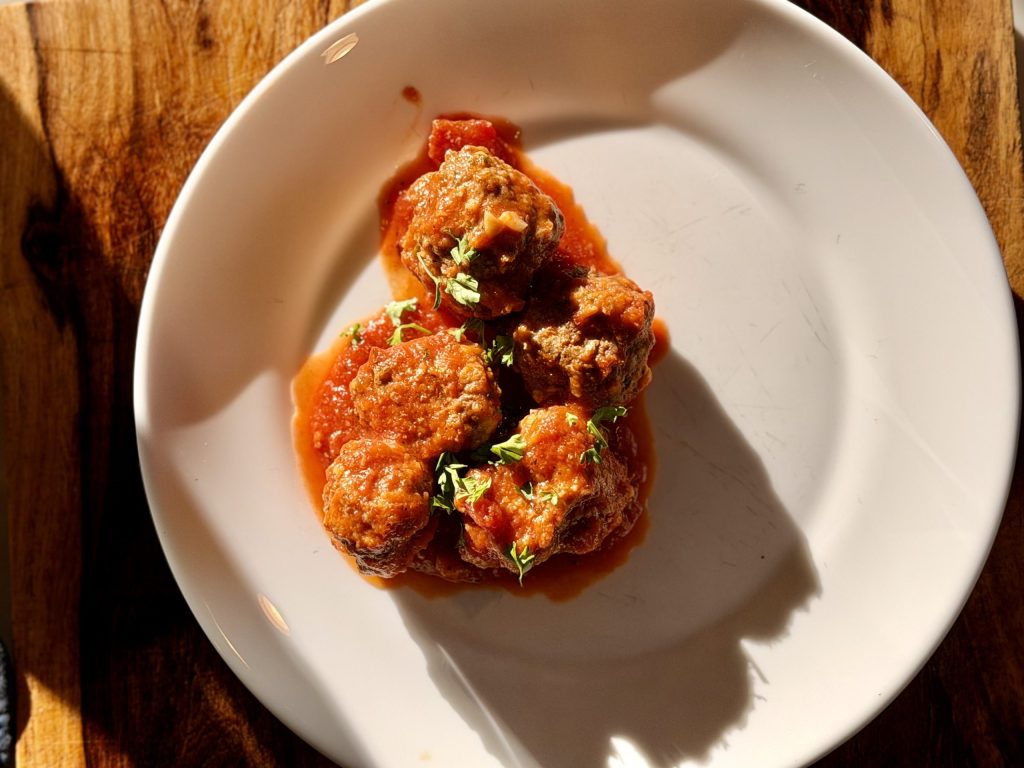
A bag of meatballs is about the most useful thing you can have in the freezer. Beef and pork, breadcrumbs soaked in milk, an egg, parmesan, garlic and parsley. Bake them on a sheet pan at 400°F for about 20 minutes instead of frying in batches, then let them finish in a pot of marinara.
Freeze some flat on a tray before bagging so they don’t stick together. Over pasta, in a sub, or just on the plate with sauce and a little parsley like these.
Marathon Training Is a Part-Time Job
If you aren’t as experienced with running, you’ll quickly learn that marathon training is like a part-time job. Everything you’re doing may seem excessive at times, but it’s all necessary. It takes a lot out of you, physically, mentally and even time-wise, and you or your loved ones might feel like you’re short-changing some of the other responsibilities in your life.
While there’s no way to avoid that, you can make room for recovery. The importance of taking a rest day, a day of no exercise, once a week can’t be stressed enough, so pencil in some downtime every week, no matter how hard it is to do so. Having dinner already made for a few of those nights is one less thing on the list.
Spaghetti Squash With Meat Sauce
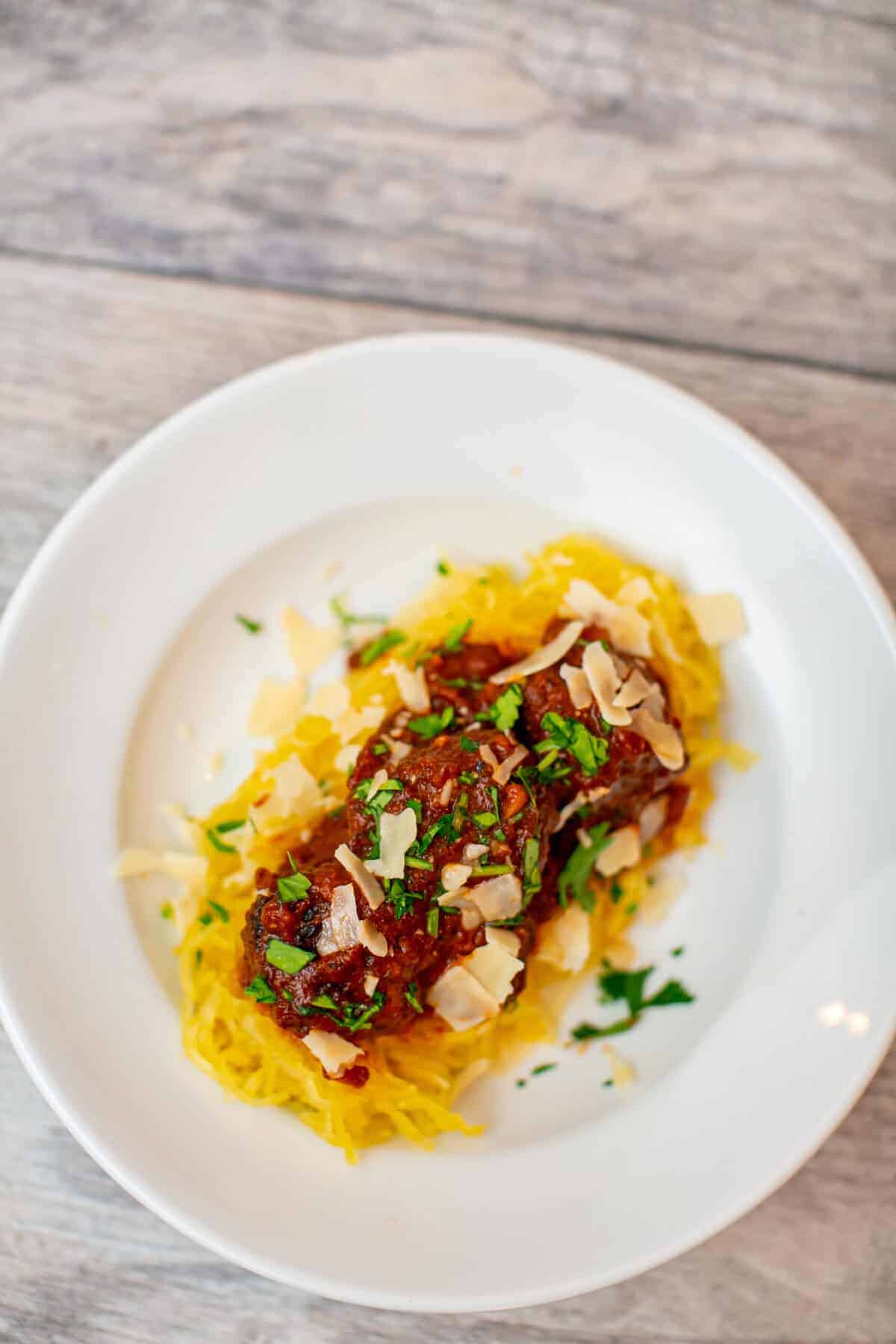
Roast the squash halves ahead and keep the meat sauce in a separate container. Reheat both and twirl the strands with a fork.
Chili Mac
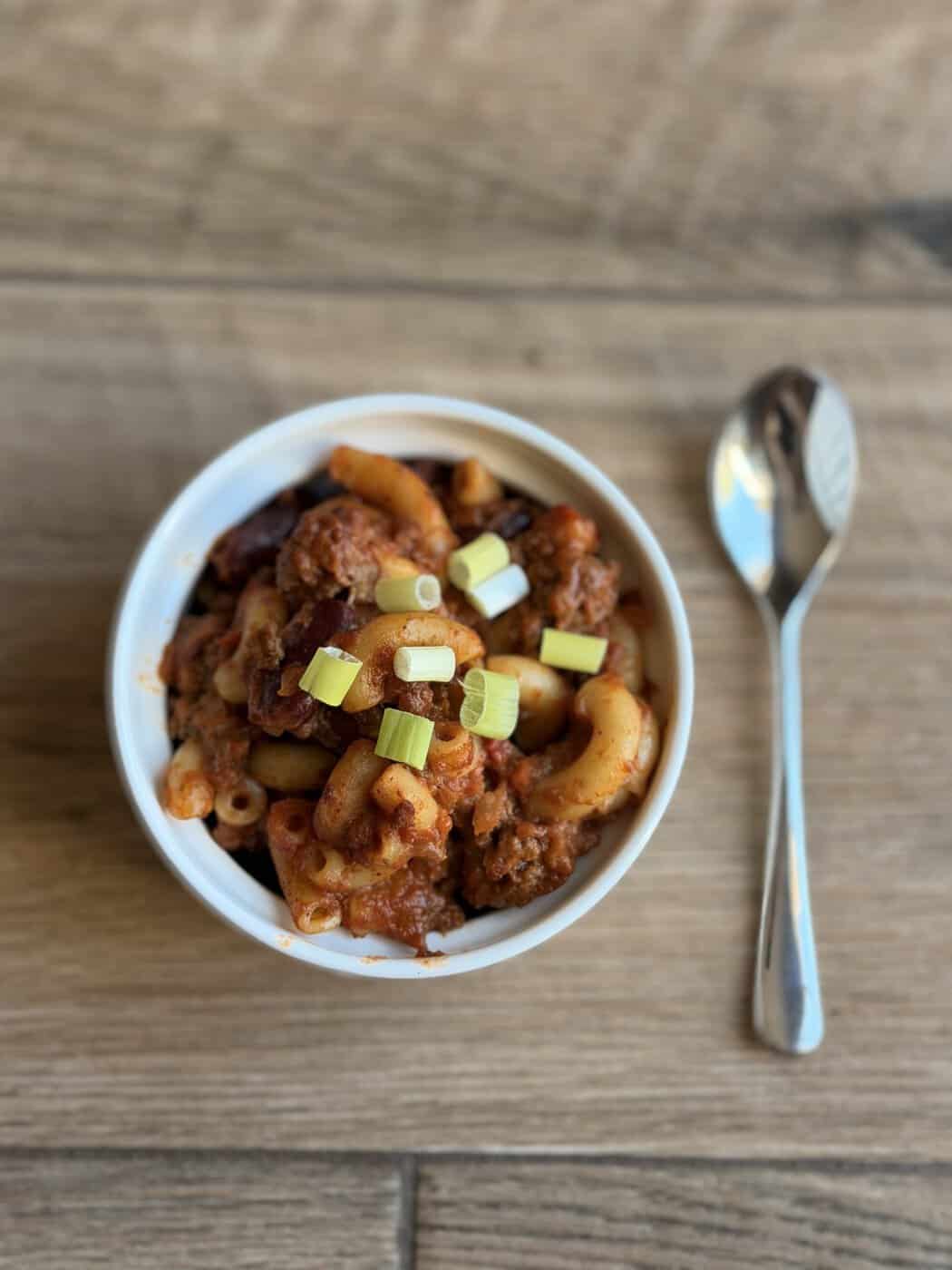
Chili and elbow macaroni with cheddar stirred through. It freezes well in portions for 2 to 3 months.
Meatloaf
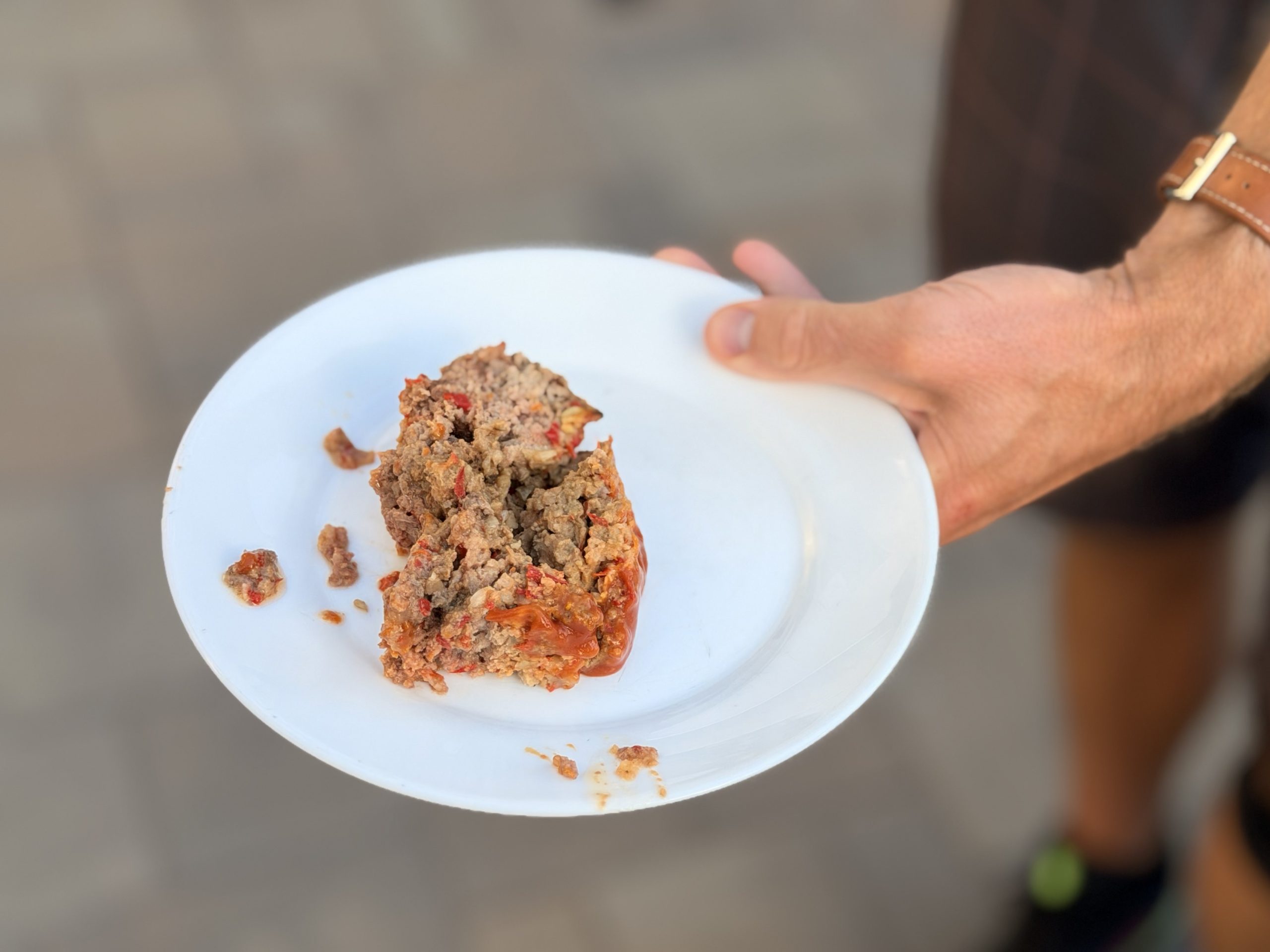
Mix and shape the meatloaf the night before, then bake it when you get home. Ground beef is done at 160°F.
Pot Roast
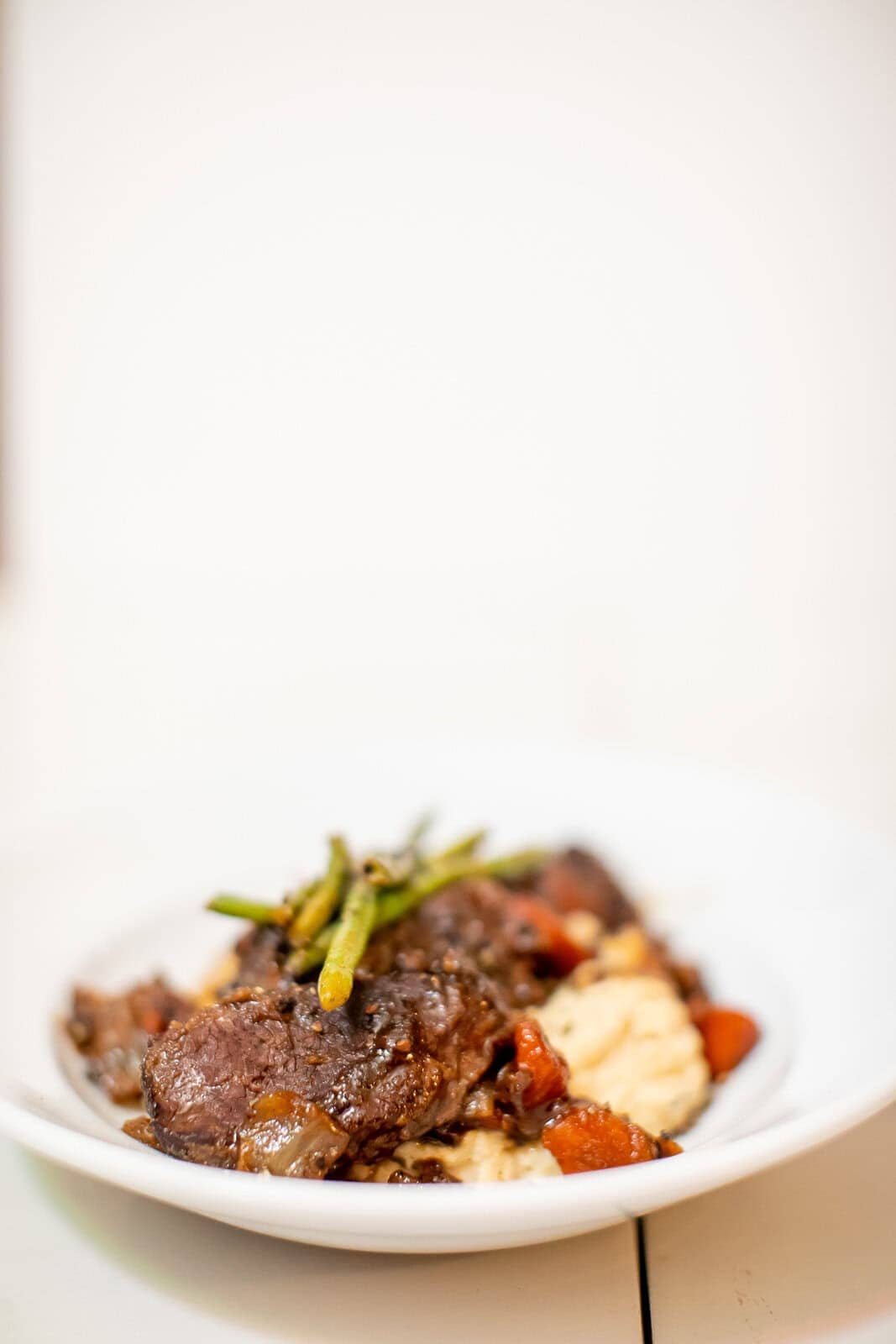
A chuck roast with potatoes and carrots, cooked low on a Sunday and portioned for the week. The meat gets better after a night in its juices.
Sloppy Joes
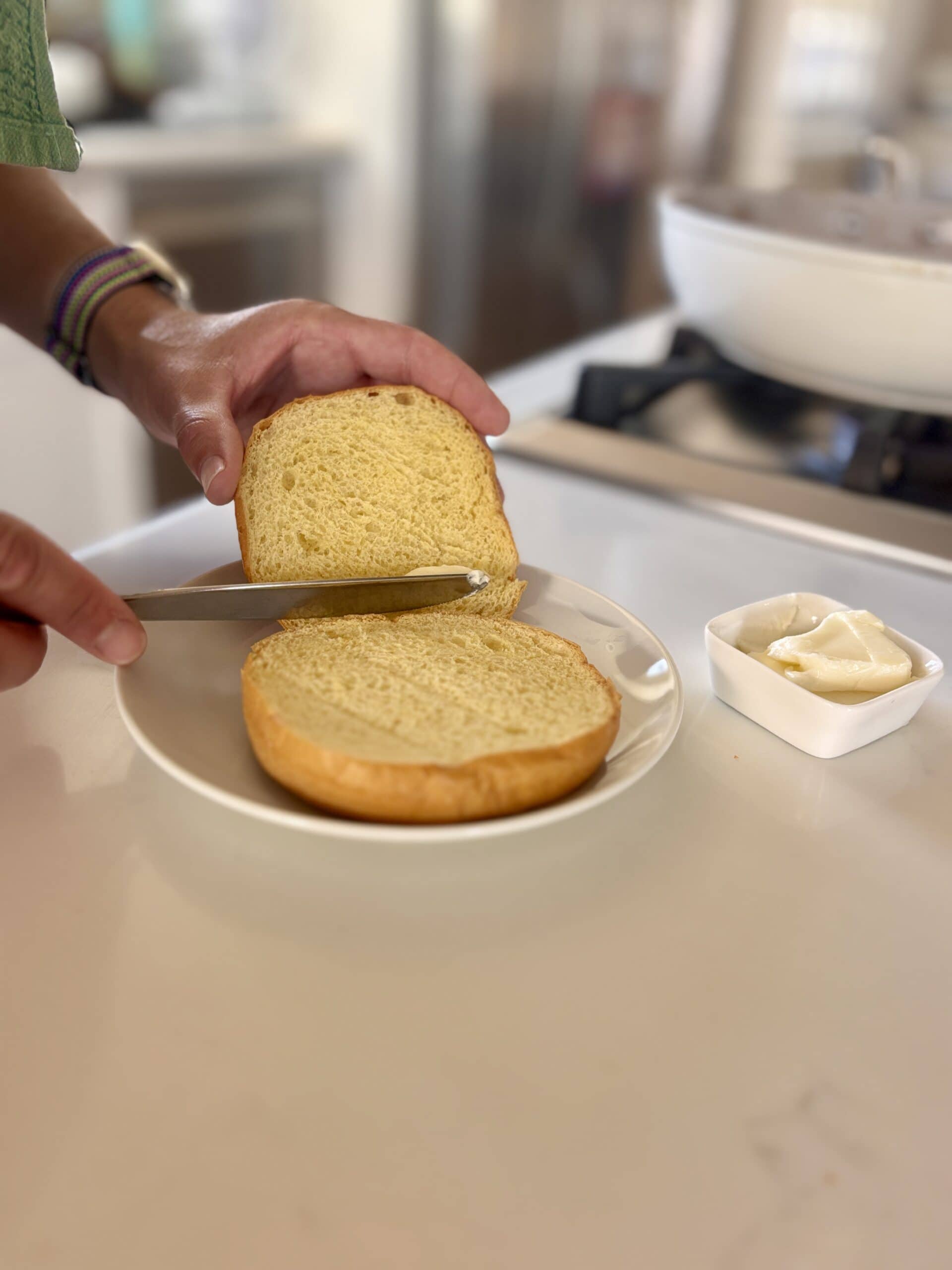
Make the filling ahead, keep it in the fridge up to 4 days, and warm it while the buns toast.
Nothing New the Night Before a Race
One of the main mistakes new runners make is to try new things on race day that they have not tried in training. I can personally attest to this being a horrible idea. During my first marathon, I switched gels during the race because the expo representative assured me that I needed an extra energy boost. I bought several packets and carried them in my fuel belt. Once I was about 5 miles into the race, my stomach started to lurch and it was a very difficult run. I spent at least a minute each mile doubled over in pain.
The moral of the story is don’t ever try anything new during a race that you haven’t tried during training. I’d apply the same rule to the dinner the night before. Make the pasta you’ve already eaten before a long training run, not the spicy recipe you’ve been meaning to try.
Taco Casserole
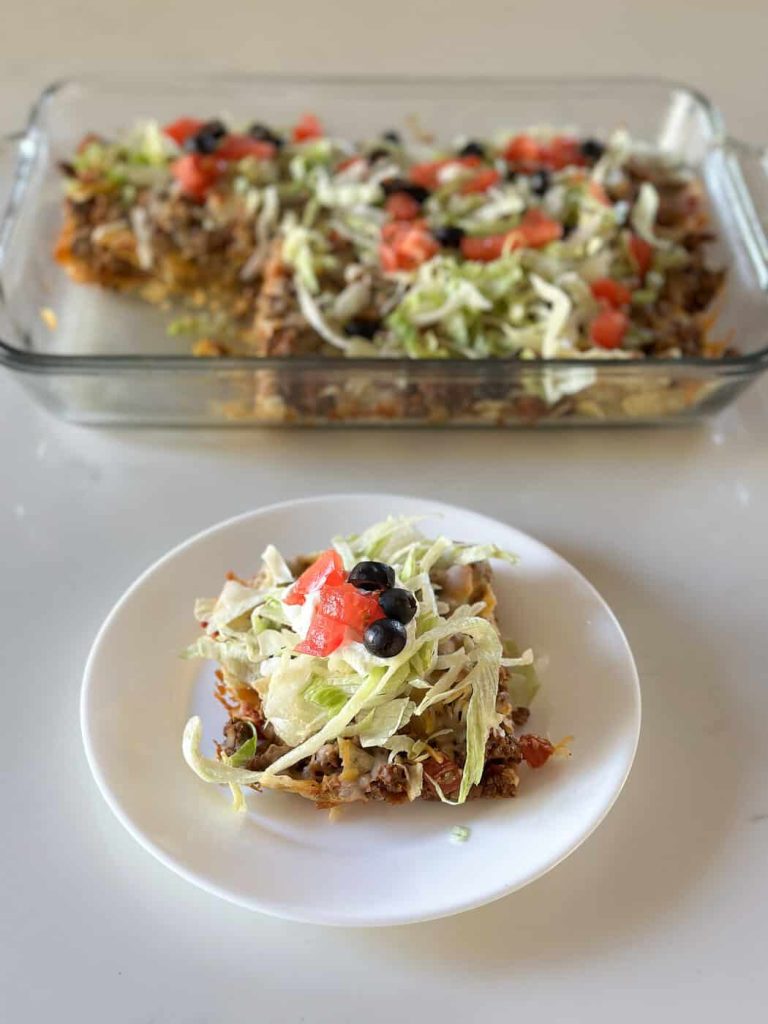
Seasoned ground beef, refried beans, salsa and cheese layered with tortillas in a glass baking dish. The toppings (lettuce, tomato, olives, a spoonful of sour cream) go on after baking, like the pan and plate here.
You can assemble the meat layers ahead, but if you use broken tortilla chips instead of tortillas, add them right before it goes in the oven or they turn soggy.
Stuffed Peppers
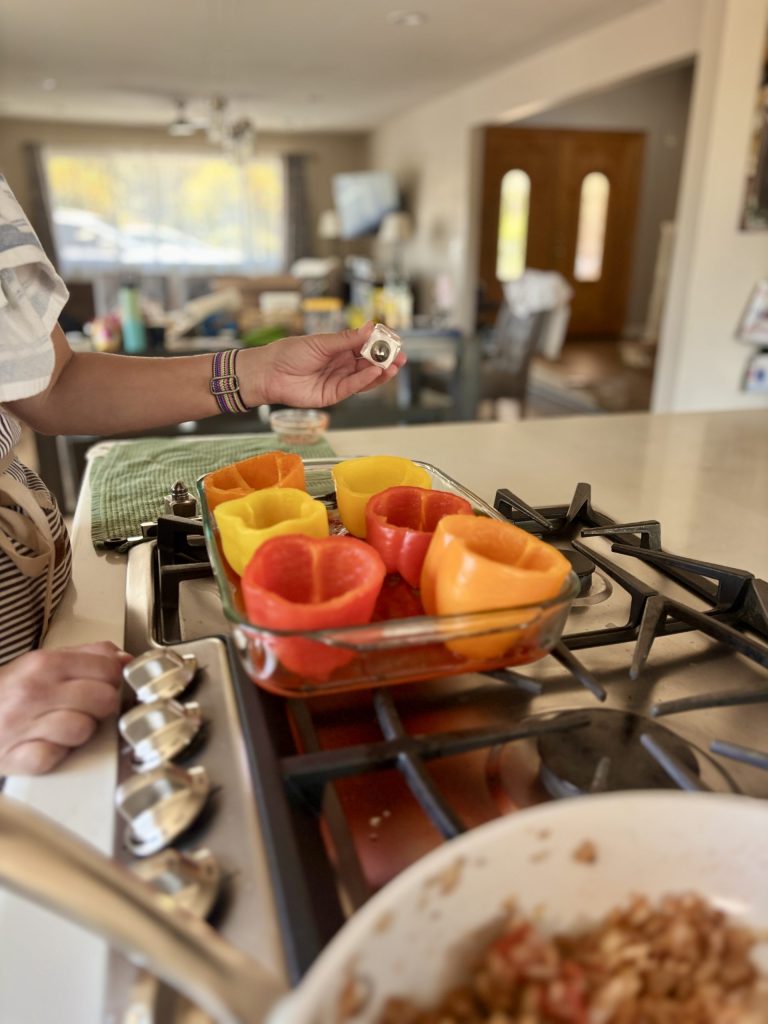
The peppers in this photo are halved, seeded and waiting to be stuffed, which is about the point where you can stop for the night. Brown ground beef with onion and garlic, stir in cooked rice, a can of diced tomatoes and some Italian seasoning, then pack it into the pepper halves, cover the dish and refrigerate it.
When it’s dinner time, add a layer of mozzarella and bake covered at 375°F for about 35 minutes, then uncovered for 10 more, until the peppers are tender and the beef mixture hits 160°F.
Potatoes au Gratin
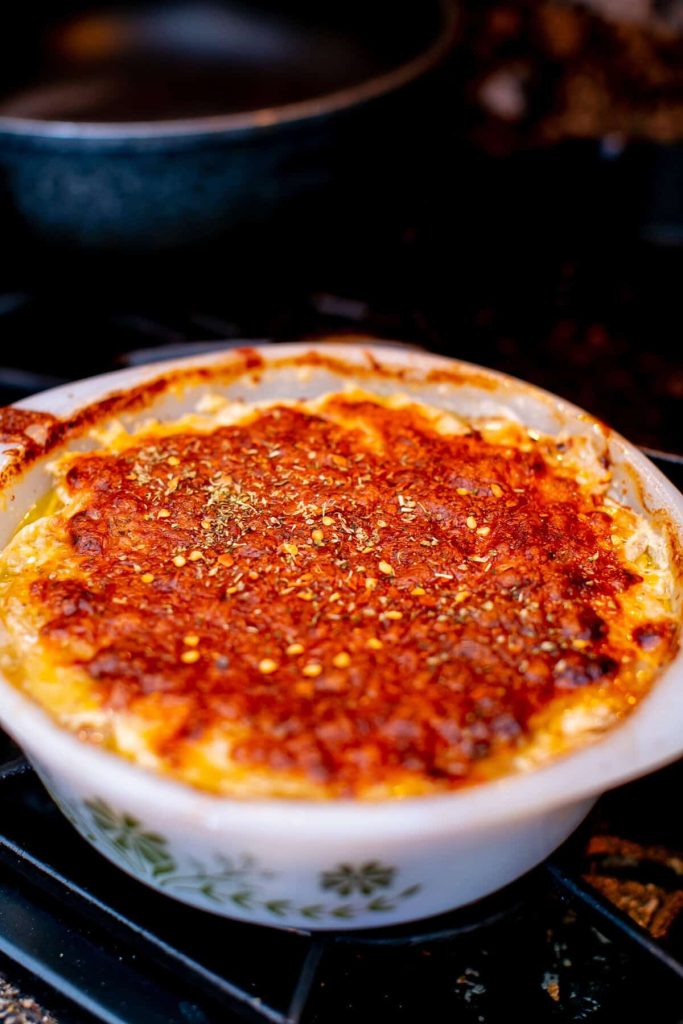
Thinly sliced Yukon Golds layered with cream, garlic and gruyère, with a dusting of paprika on top for color. A mandoline helps a lot here. Bake it covered first, then uncovered until the top browns like this one.
It reheats well, so bake it a day ahead and set it next to the ham or the meatloaf.
Tuna Noodle Casserole
Egg noodles, canned tuna, peas, a quick white sauce (or a can of cream of mushroom soup, no judgment) and crushed potato chips or buttered breadcrumbs on top. It’s the kind of thing you can throw together from the pantry on a Sunday. Bake at 375°F for 20 to 25 minutes.
Runner Foods That Fit These Dinners
A few of the foods I’d put on any runner’s grocery list slide right into make-ahead dinners:
- Beans. They’re cheap and they’re versatile, and they offer a good mix of carbs and protein. Just don’t eat them right before your run (your legs aren’t the only thing that may start moving).
- Sweet potatoes. These orange vegetables have vitamin A and vitamin C, and they can stand in for regular potatoes on top of a shepherd’s pie.
- Whole grains. Whole-grain pasta and bread have more fiber than the white versions, which can mean a longer, steadier release of energy.
- Fish. Unless it’s deep fried, fish is a low-calorie, high-protein option, and canned tuna counts.
- Milk and cheese. Dairy products offer plenty of calcium, and there’s no shortage of cheese in this lineup.
Stuffed Shells
Jumbo shells stuffed with ricotta, mozzarella, parmesan, an egg and some chopped spinach, lined up on a layer of marinara. Spooning the cheese mixture into a zip-top bag and piping it in saves a lot of fiddling. They freeze unbaked on a tray, and you can bake them straight from frozen, covered, giving them extra time until the center is hot.
Veal Parmesan
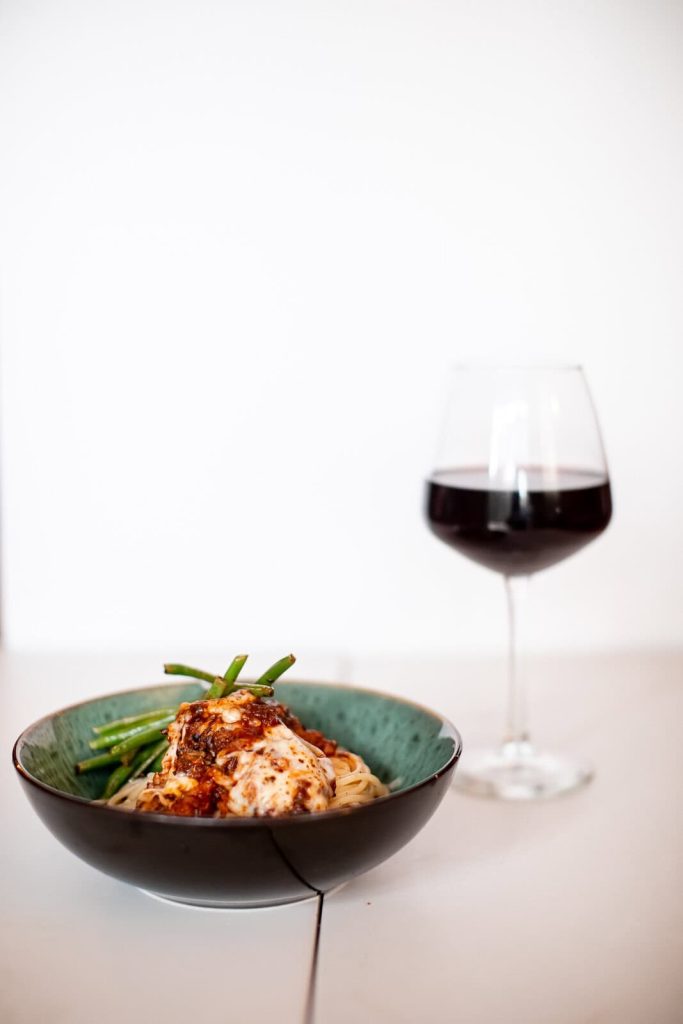
Thin veal cutlets breaded and pan-fried until golden, then baked with marinara and mozzarella. Bread and fry the cutlets ahead and keep them on a rack in the fridge, then sauce and bake right before dinner so the coating doesn’t go soggy. I like it with green beans on the side, like the bowl here.
Eggplant Parmesan
Salt the eggplant slices for 30 minutes and pat them dry before breading, or they come out soggy. Then the usual layers of sauce, mozzarella and parmesan.
It’s one of those dishes that slices cleaner after it sits, so baking it the day before and reheating actually helps.
Classic Lasagna
Meat sauce, a ricotta and egg layer, mozzarella and noodles, repeated until the pan is full. No-boil noodles are fine if the dish sits in the fridge overnight, since they soak up moisture from the sauce. Bake covered at 375°F for about 45 minutes, then uncovered for 15, and let it rest before you cut into it.
Long-Term Eating and Race Week
There are two kinds of eating to think about when you train for a half marathon. There’s one for the duration of the entire training plan, however many weeks it takes, and there’s short-term nutrition, which covers the final week right before the race.
Long-term nutrition is a lifestyle. It’s all about moderation and high-quality nutrients every day of the year, not just during race week. In short, a well-balanced diet focuses on lean protein and whole-grain carbs, with fruits and vegetables as a main staple. The point is to aim for variety and colors. In the 7 days before the race your runs taper down to short, slow ones, and your plate leans more on carbohydrates like whole grains, starchy veggies and fruits.
White Bean Chicken Chili
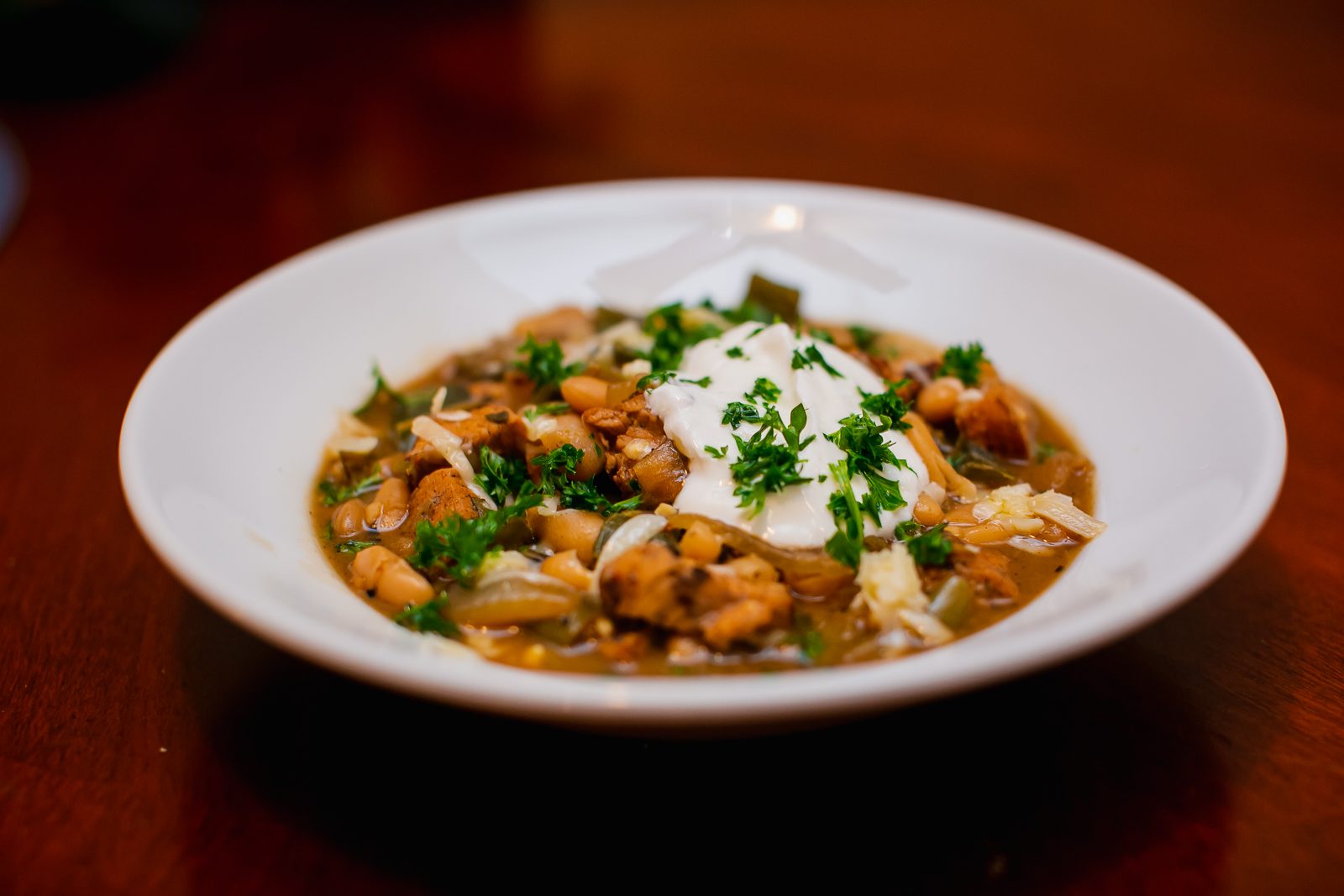
Chicken, white beans, green chiles and broth. It freezes in flat bags and thaws overnight in the fridge.
Teriyaki Chicken
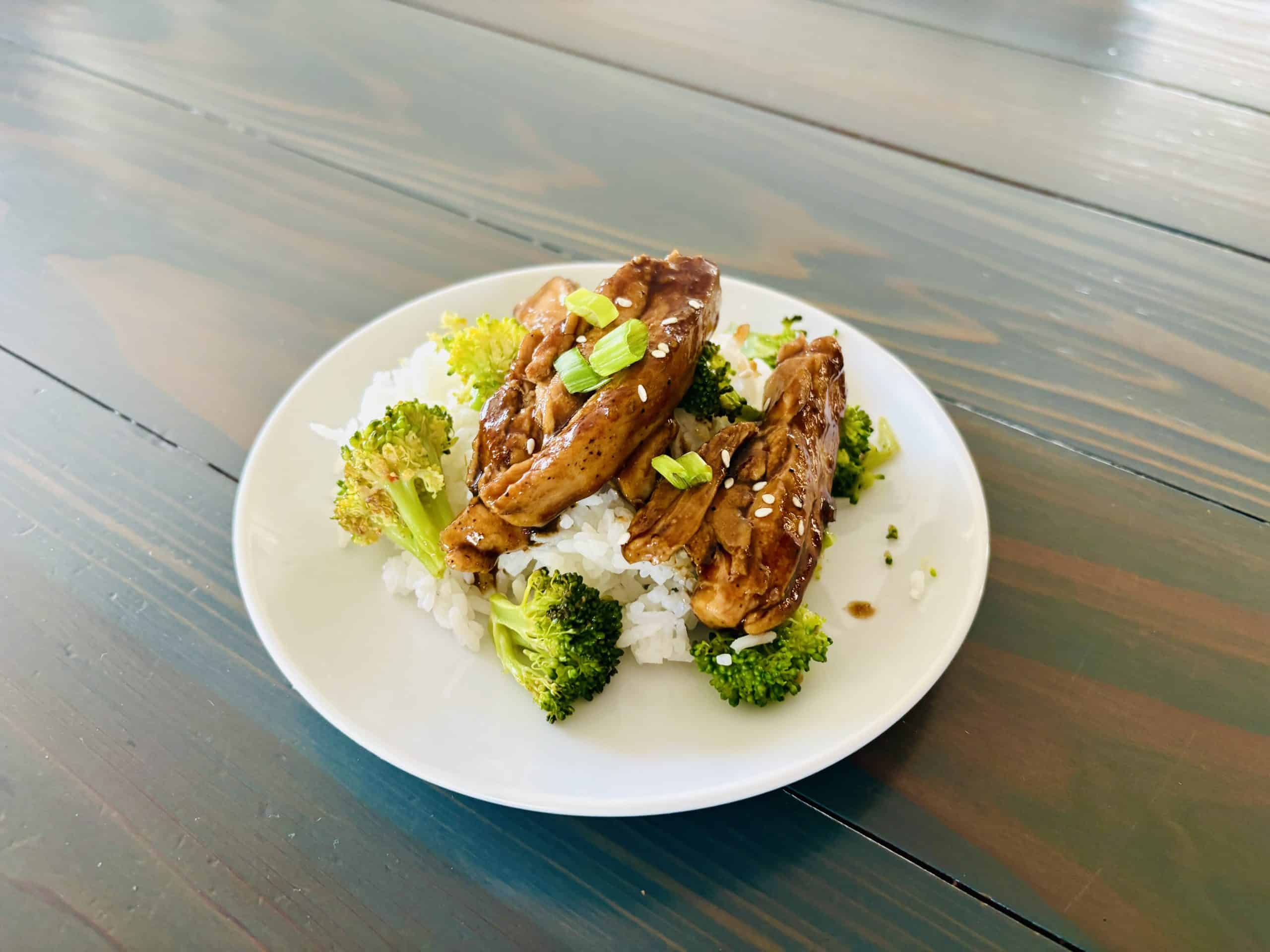
Marinate the chicken the night before, then cook it with broccoli in one pan when you get home. Serve over rice.
Turkey Pot Pie
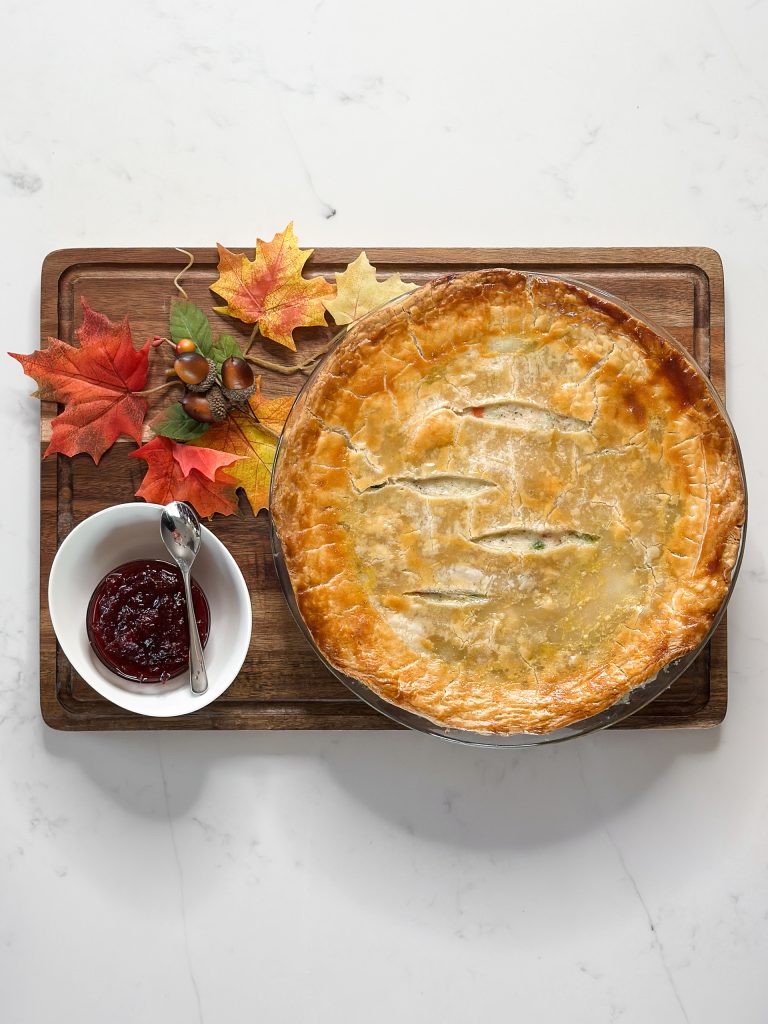
A good home for leftover turkey. Diced turkey, carrots, peas, celery and onion go into a sauce about as thick as gravy, under a pastry crust with a few slits cut in the top like this one so steam can escape.
Make the turkey mixture ahead and keep it in the fridge, then add the crust and bake at 400°F until golden, about 30 to 35 minutes. Cranberry sauce on the side is optional but recommended.
Beef Bourguignon
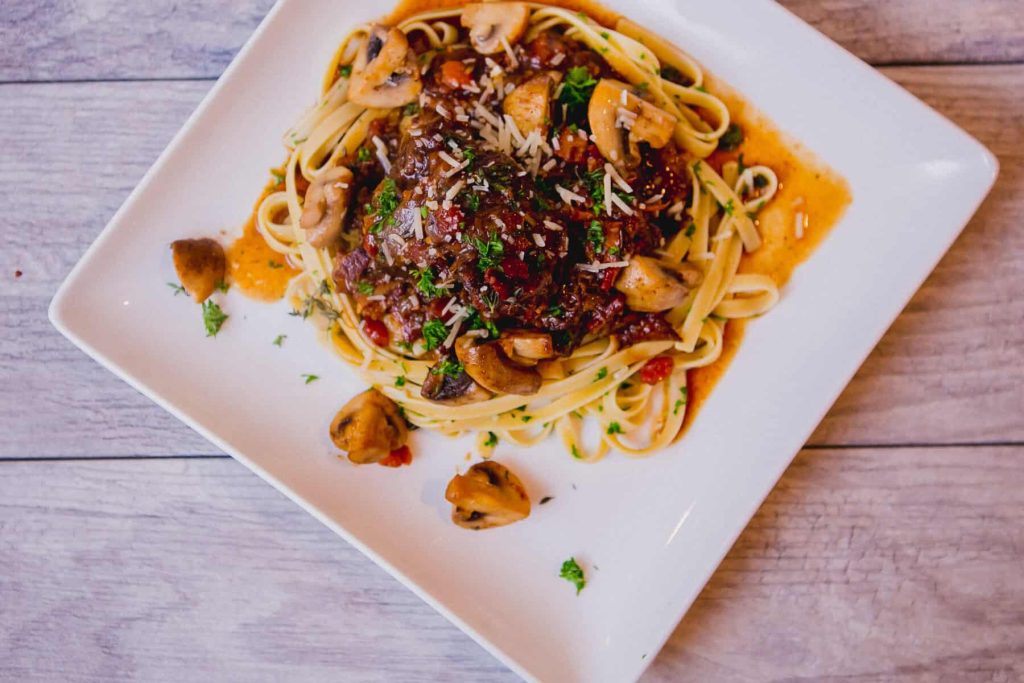
Beef chuck braised low and slow in red wine and broth with carrots, pearl onions, mushrooms and a little bacon. It’s a project, so it makes sense to do it on a weekend and eat it a couple of times over the next few days (it’s better on day 2 anyway). The plate here has it spooned over egg noodles. Leftovers keep 3 to 4 days in the fridge.
Tamale Pie
Chili-style ground beef with beans, corn and tomatoes, topped with a cornbread batter that bakes into a crust. The beef layer can be made a day ahead, but mix the batter right before baking so it rises. Bake at 400°F for 25 to 30 minutes.
Chicken Thighs in White Wine
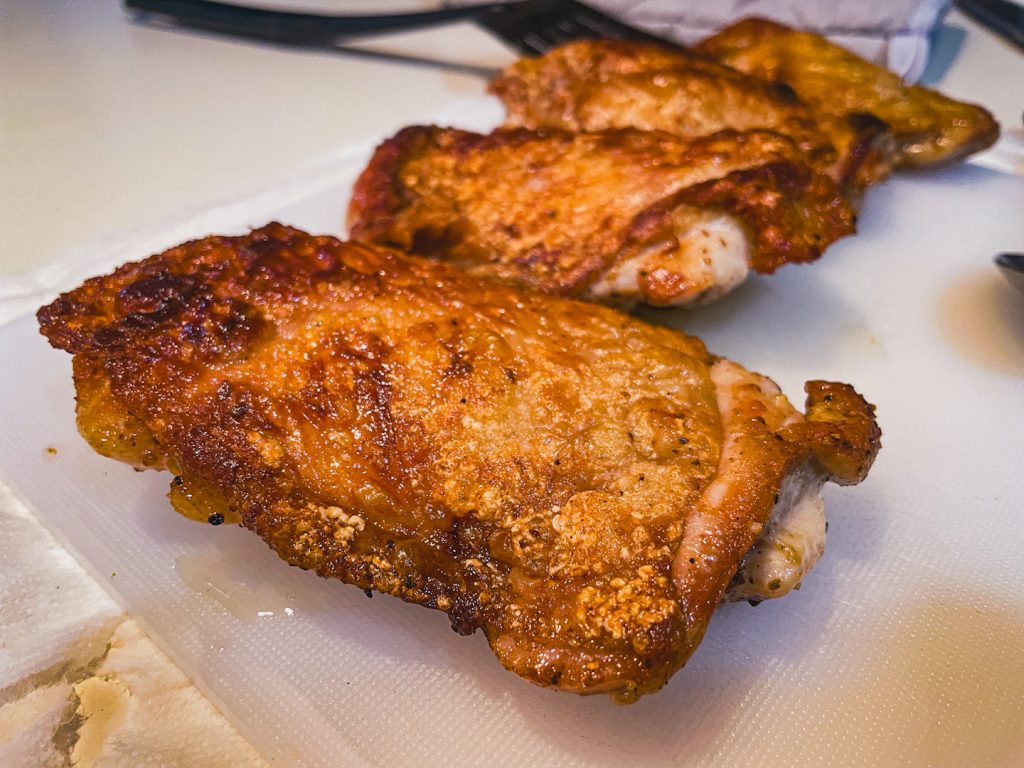
Bone-in chicken thighs seared skin side down until the skin is browned and crisp, then baked in a pan sauce of white wine, garlic, broth and thyme. Make the sauce ahead and it’s about a 40-minute dinner. Bake until the chicken reaches 165°F and serve it with rice or crusty bread to soak up the sauce.