
When you are training for a long distance race, such as a half marathon or a marathon, what you eat matters.
Personally, I find that pasta dishes are the way to go while training. I have several recipes that I use during my training week which range from spaghetti to stuffed shells (I use tofu as a part of the cheese mixture). Plain bow-tie pasta drizzled in olive oil and flavored with garlic, onion or herbs is another favorite dish. I often make enough to eat for dinner as well as lunch the next day.
Freezer cooking is that same habit stretched out a little further. Make a double batch on a quiet evening, eat half and freeze the rest, and the nights after a long run mostly take care of themselves. Everything on this list freezes well, from meatballs and turkey chili to baked ziti, taquitos and mini quiches.
Baked Meatballs
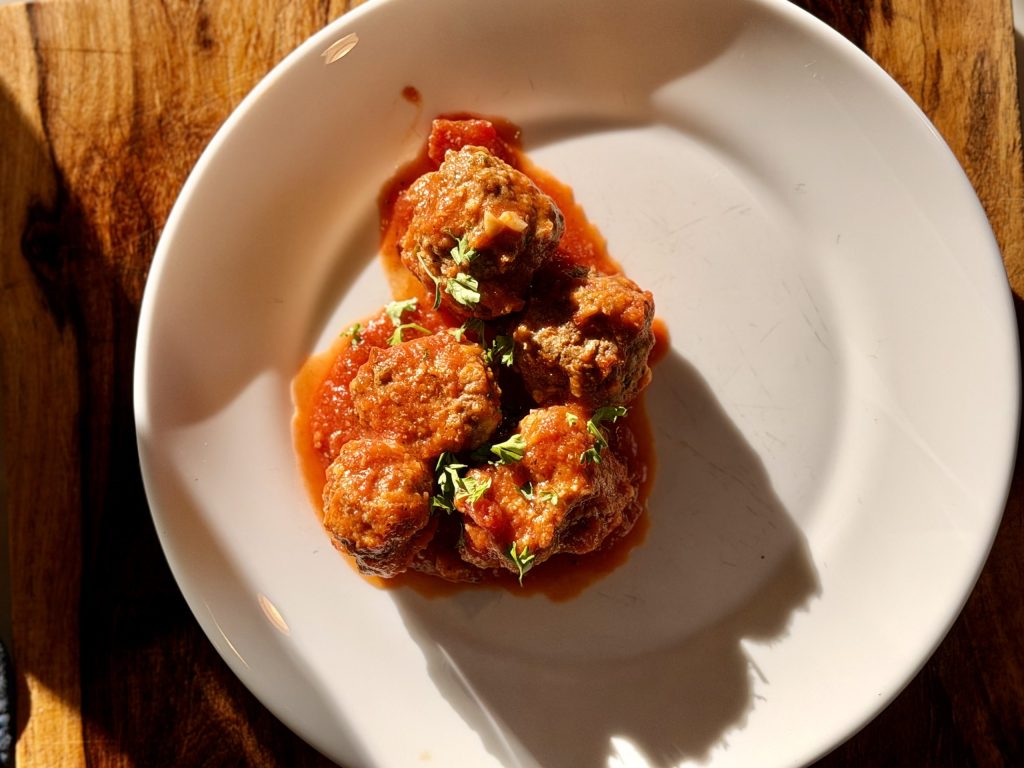
Ground beef (or half beef, half pork) with breadcrumbs soaked in milk, an egg, Parmesan, garlic and parsley. Roll them about the size of a golf ball and bake at 400°F for 18 to 20 minutes.
Freeze them on a sheet pan first, then bag them, so you can pull out 6 at a time instead of one frozen brick. They go straight from the freezer into simmering sauce, like the plate here.
Chicken Enchilada Casserole
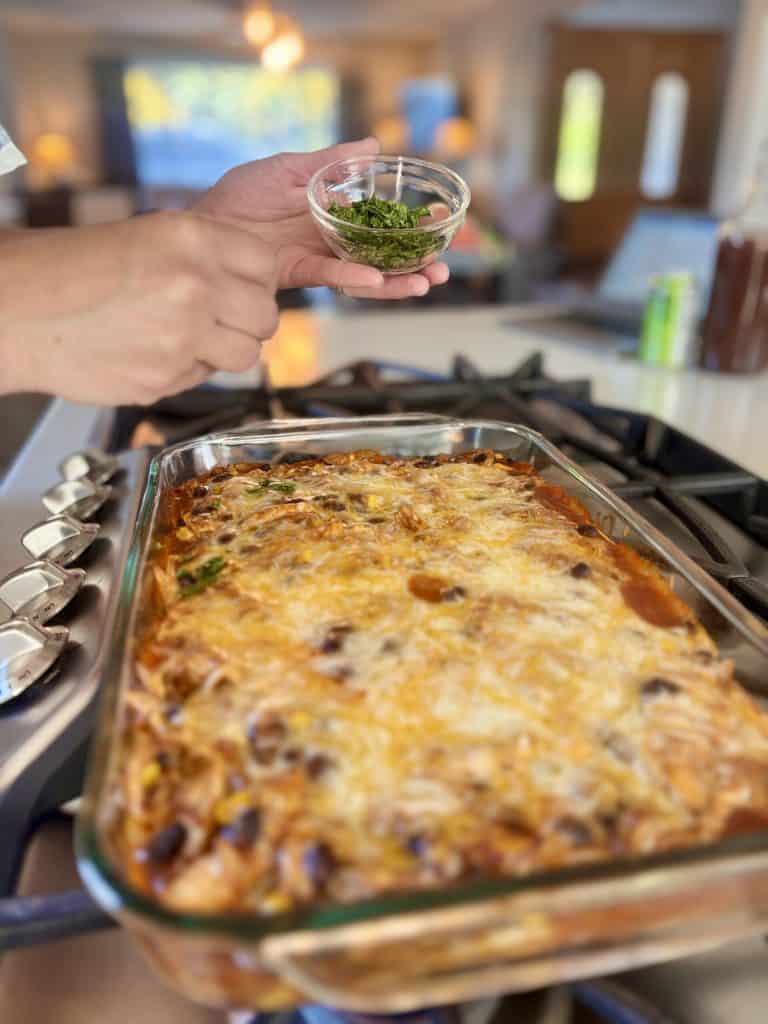
Shredded chicken, a little cheese and red enchilada sauce, layered with corn tortillas in a foil pan instead of rolled, which saves a lot of fiddling. I’d leave the top layer of cheese off until baking day so it melts fresh (the pan here is getting some cilantro on its way out of the oven).
Casseroles hold their quality for about 2 to 3 months in the freezer, and FSIS says they can go into the oven still frozen, as long as you plan on roughly one and a half times the usual cook time. Bake until the middle hits 165°F.
Turkey Chili
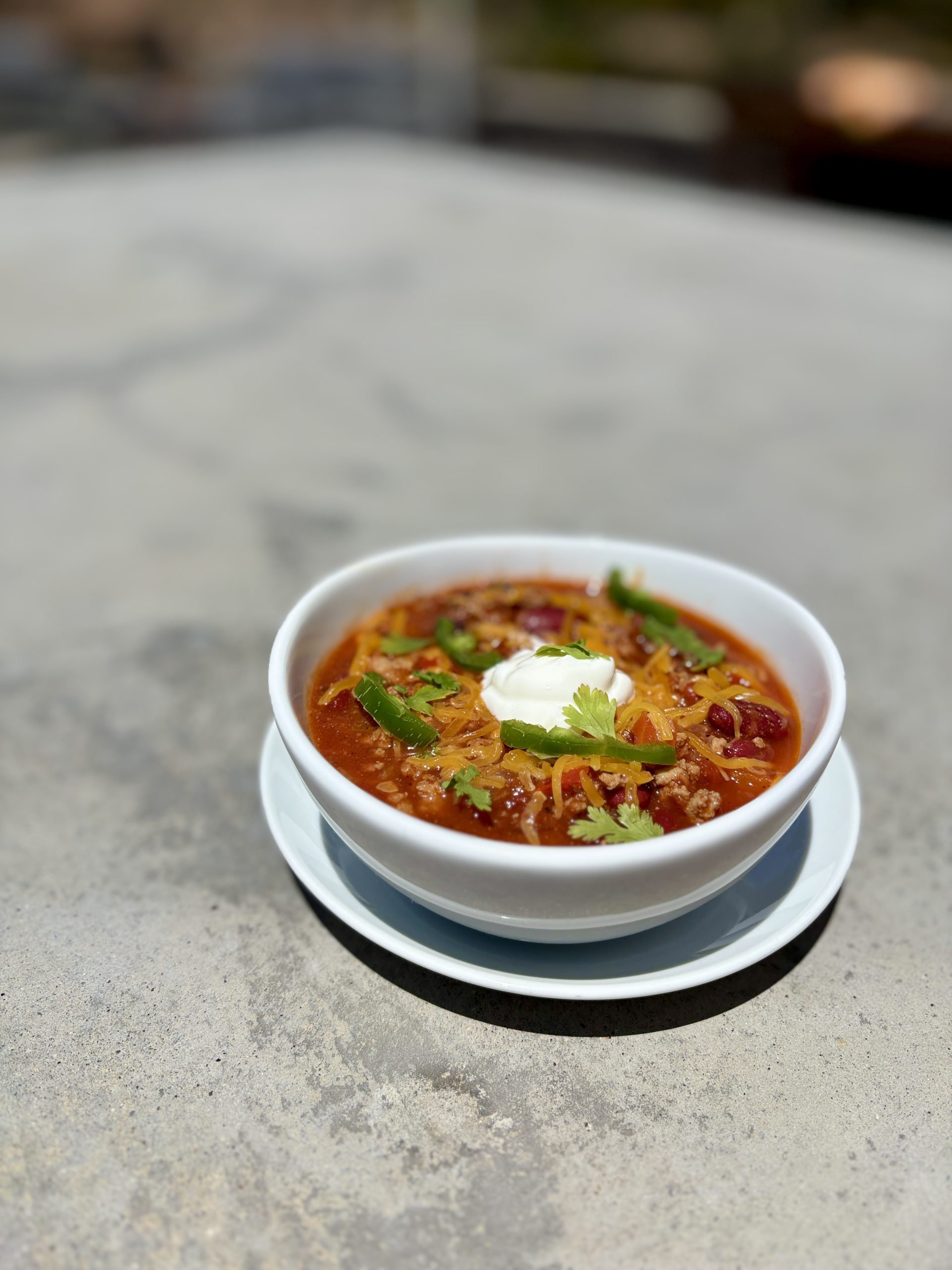
Turkey chili freezes for 2 to 3 months. Cool it fast in shallow containers and freeze it flat in bags.
Beef and Bean Burritos
Seasoned ground beef and refried beans, a little rice and shredded cheese, rolled tight in flour tortillas. Wrap each one in foil, then bag the whole batch. They reheat in the microwave in a few minutes if you take the foil off first, or in a 375°F oven still wrapped if you have time.
Pork Carnitas
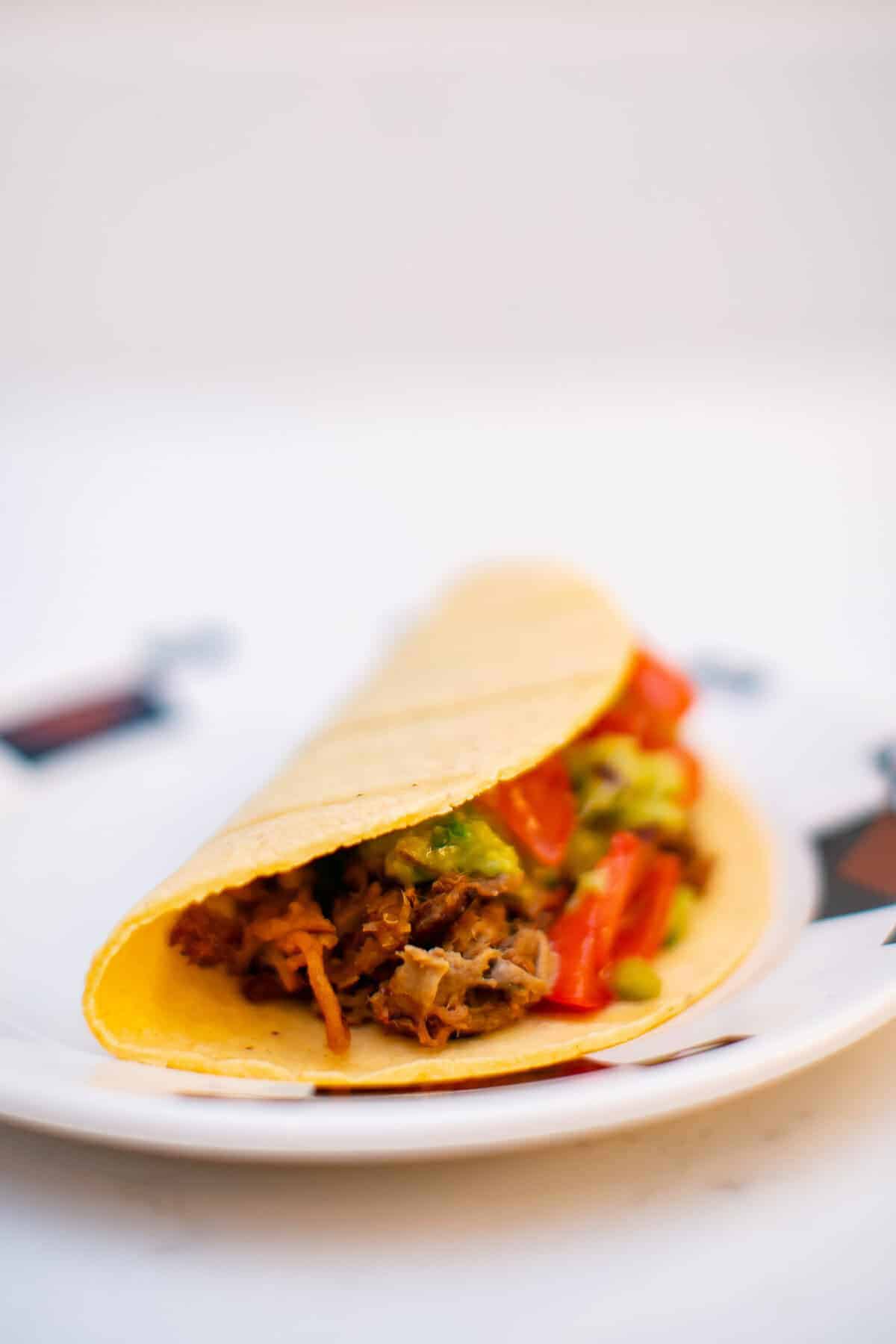
A big batch of carnitas, frozen in 1 pound bags with a little of the cooking liquid so it stays moist. Crisp it in a skillet after thawing.
Give Yourself 6 Weeks of Base Building First
Experts advise against choosing a marathon as your first race. Most recommend starting small and gradually working your way up to longer races. Having said that, with consistent, yet conservative preparation over a 6-month period, you should be able to safely prepare your body for the rigors of marathon running.
Coach Pete Rea recommends spending at least the first 6 weeks of your marathon training period focusing on aerobic development. Frustrating as this might seem, this build-up period is vital for building a solid running foundation, and it should not be neglected or skipped by newbie runners. If you don’t feel ready for those workouts, it is a good idea to start with a Couch to 5K program first.
Those first 6 weeks are a good stretch to start stocking the freezer, since the long runs only get longer from there.
Freezer Fajita Kits
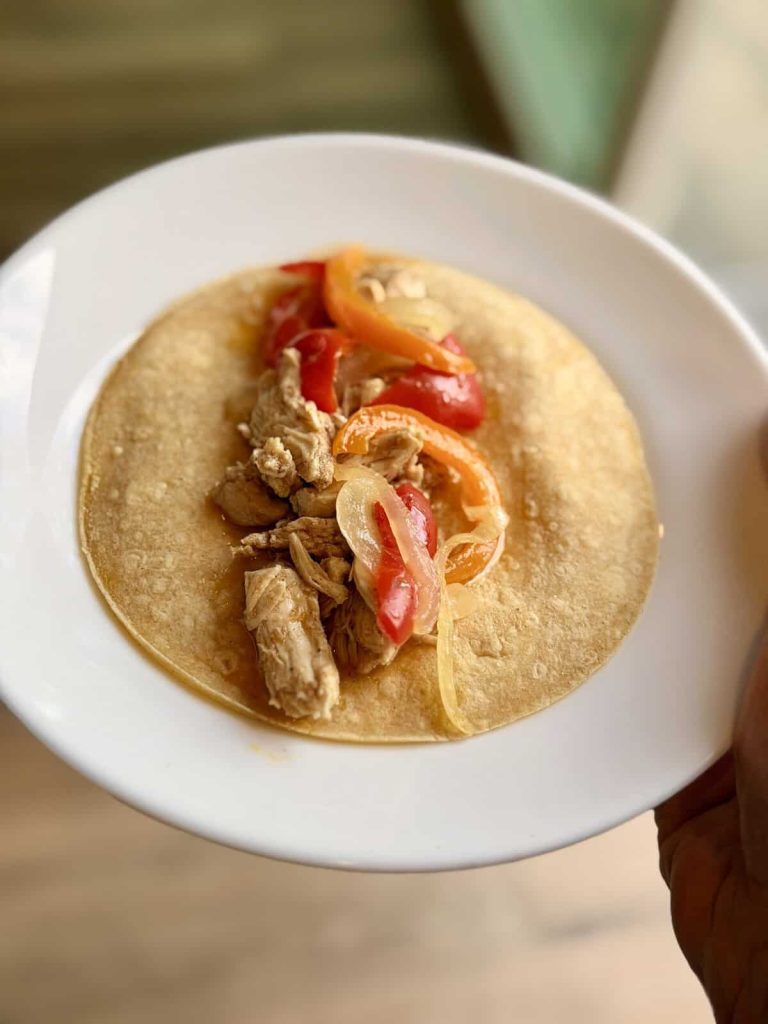
Sliced chicken or flank steak, strips of bell pepper and onion, and the fajita seasoning all go into one gallon bag, raw. Press the air out and freeze it flat.
Thaw a bag in the fridge overnight, dump it into a hot skillet and cook until the chicken reaches 165°F. A warm tortilla, like the one on this plate, and whatever toppings you have on hand.
Baked Ziti
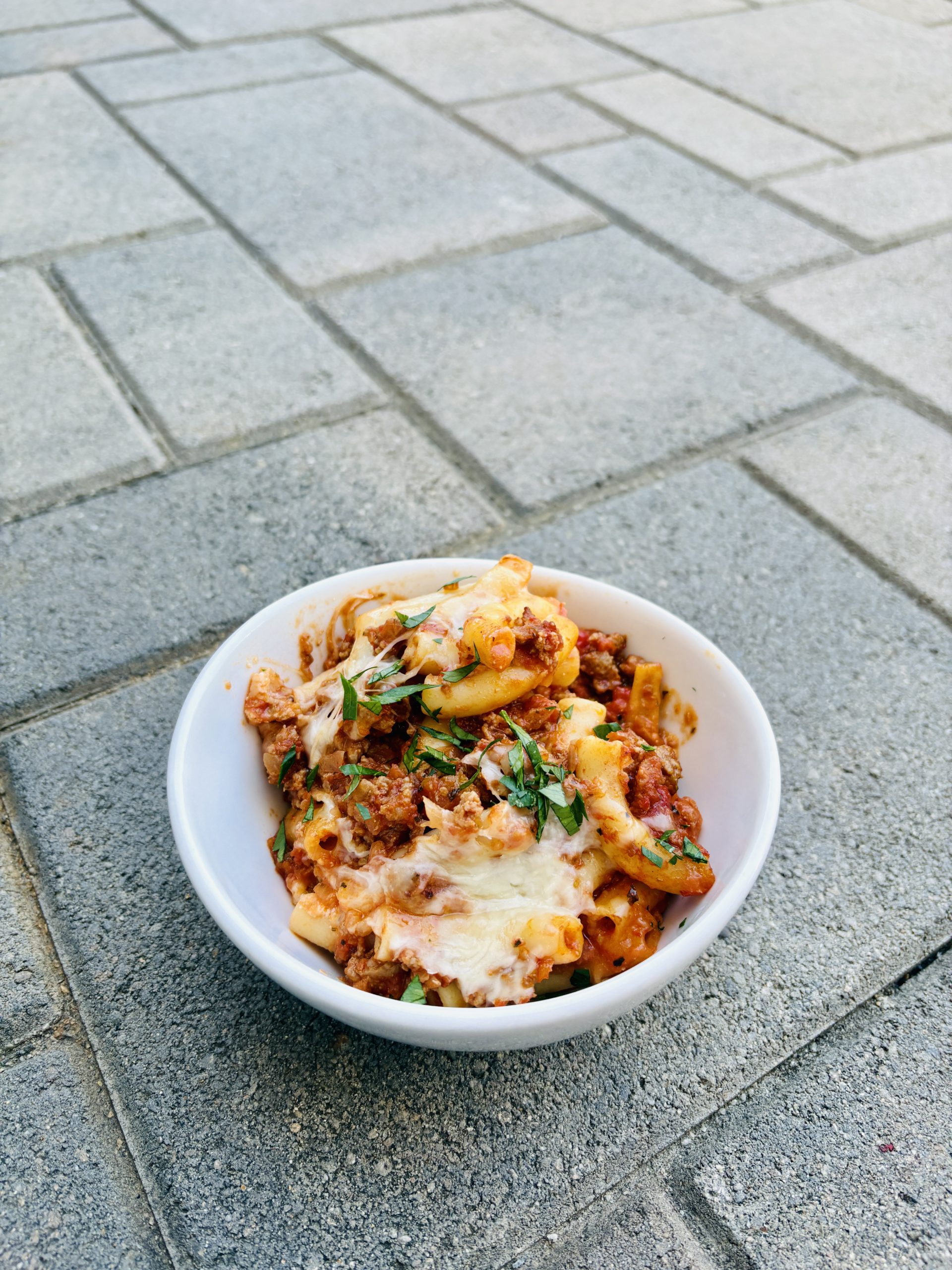
Assemble it in a foil pan, wrap well and freeze unbaked. Thaw overnight in the fridge and bake until the center reaches 165°F.
Black Bean Burgers
Mashed black beans (dried out a bit in the oven first so the patties aren’t mushy), breadcrumbs, an egg, cumin, garlic and some chopped red onion. Shape them, freeze them on parchment between layers, and cook them from frozen in a skillet, a few minutes longer per side than fresh.
Sloppy Joes
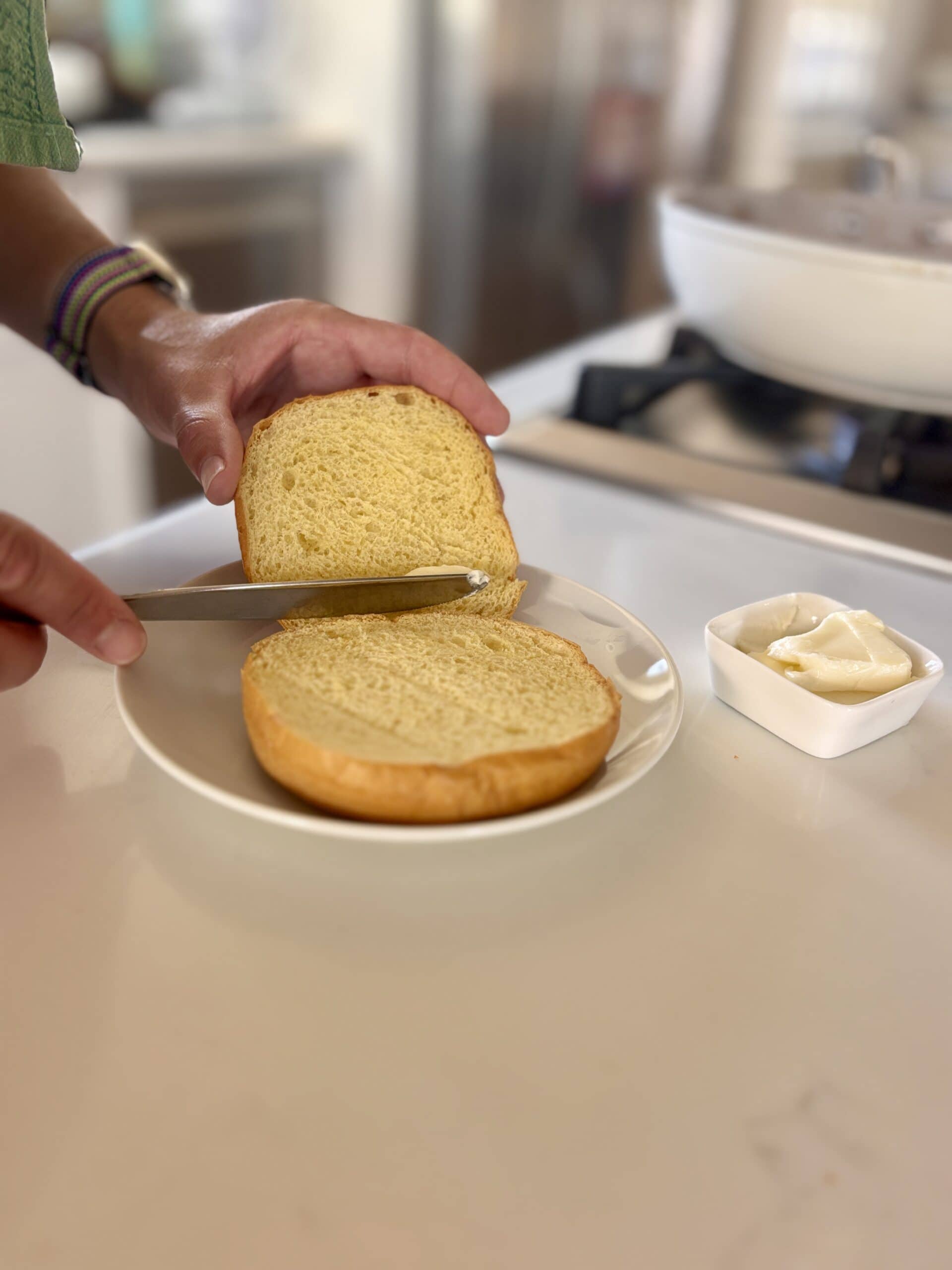
The filling freezes well in quart bags. Thaw in the fridge and reheat on the stove.
Cheddar Bay Biscuits

Drop biscuits made with cold butter, sharp cheddar and a little garlic powder, brushed with garlic parsley butter as soon as they come out.
Bake them all, cool them, and freeze them in a bag. A few minutes at 350°F brings them back. They go with almost any soup or chili on this list.
Pot Roast
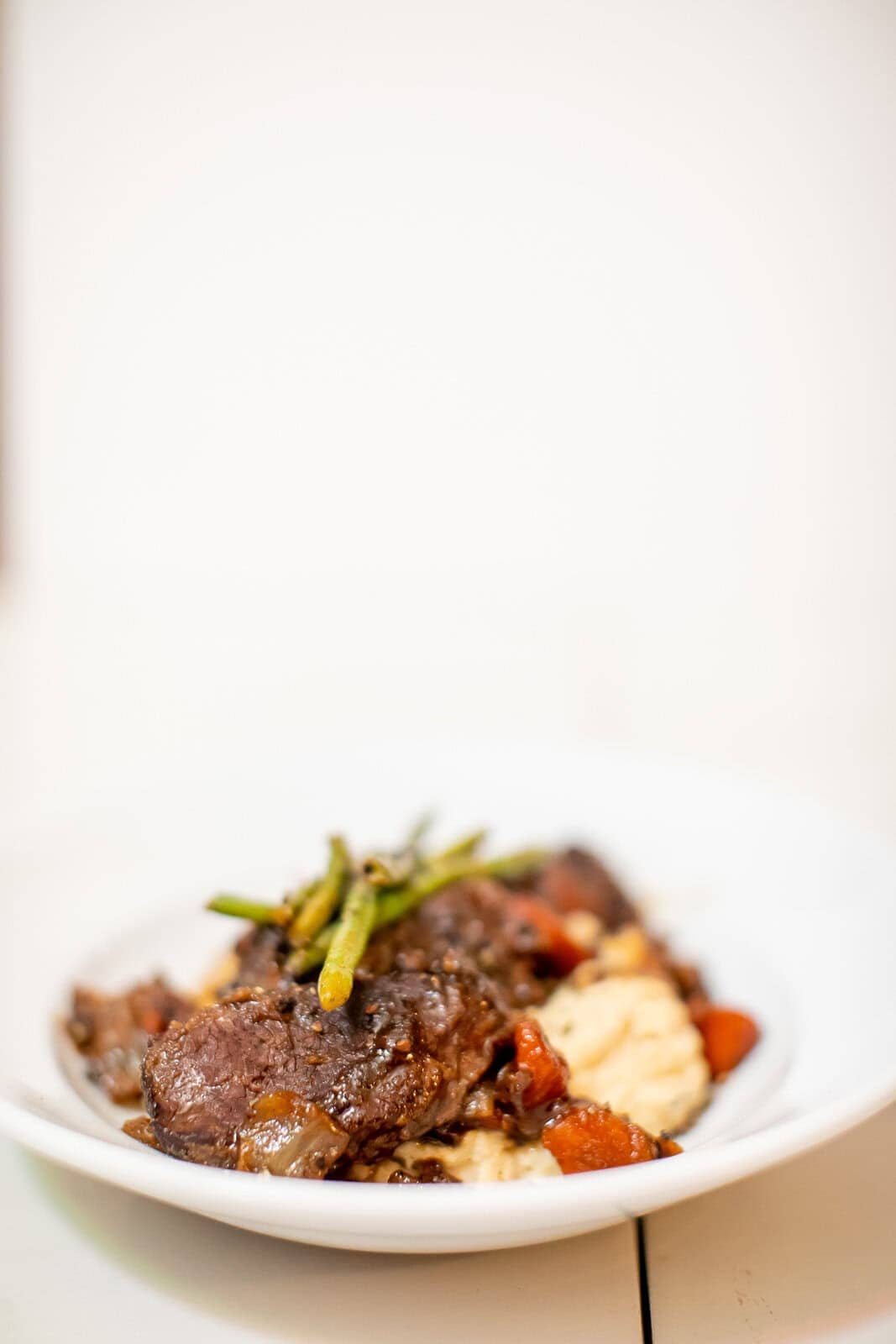
Pot roast freezes better than you’d expect if you keep it in its juices. Leave out the potatoes, which go grainy, and add fresh ones when you reheat.
Weekly Mileage for a First Marathon
Many first-time marathoners are just happy to complete the 26.2 miles. If you fit into this category, then you probably should be running 3 to 4 times a week with an average of 20 to 35 miles per week. For the most part, you can probably get by with 20 to 25 miles per week.
So, for beginners just looking to complete their first marathon, you can get away with doing 5 or 6 miles perhaps 3 times a week, then a long run of 10 to 12 miles on the weekend. Avoid the trap of running additional miles beyond what your program asks for. Junk miles don’t help.
On a week like that, the weekend long run is the day I’d most want a stew like this one already sitting in the freezer.
Chicken Pot Pie
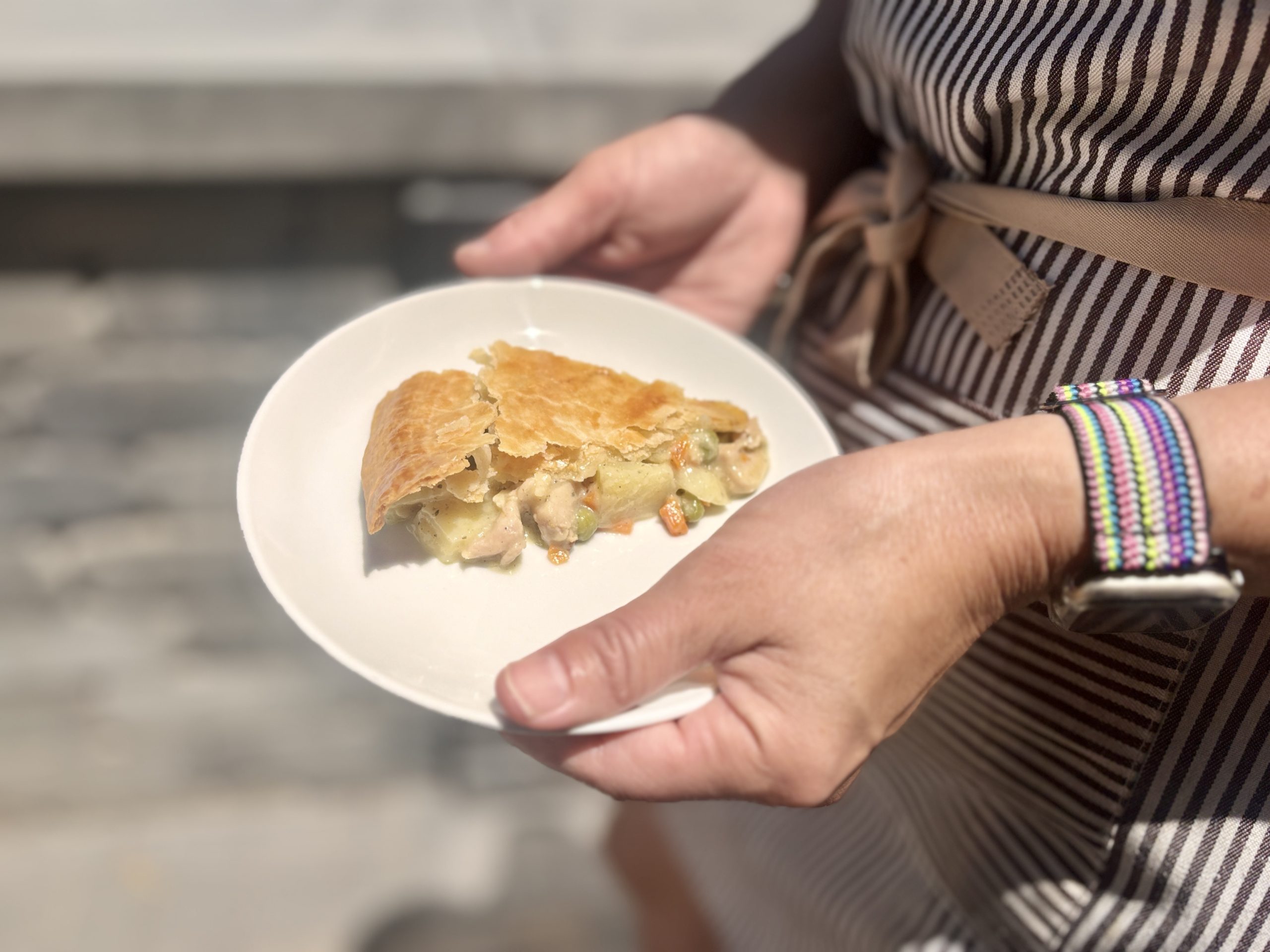
Freeze it unbaked with the pastry on top. It goes straight from the freezer to the oven, just add about 20 minutes.
Spinach Ricotta Calzones
Ricotta, mozzarella, a handful of Parmesan and spinach that’s been squeezed very dry (wet spinach makes soggy dough). Fold it into rounds of pizza dough, crimp the edges, cut a small vent in the top and bake at 425°F for about 20 minutes.
Cool them completely before wrapping. A warm calzone in a freezer bag turns into a damp one.
Twice-Baked Potatoes
Bake russets, scoop out the middles and mash them with butter, sour cream, cheddar and chives, then pile it back into the skins. Freeze them on a tray and bag them once they’re solid.
They reheat at 375°F in about 40 minutes from frozen. A side for meatloaf or a plain dinner on their own, in my book.
Lentil Soup
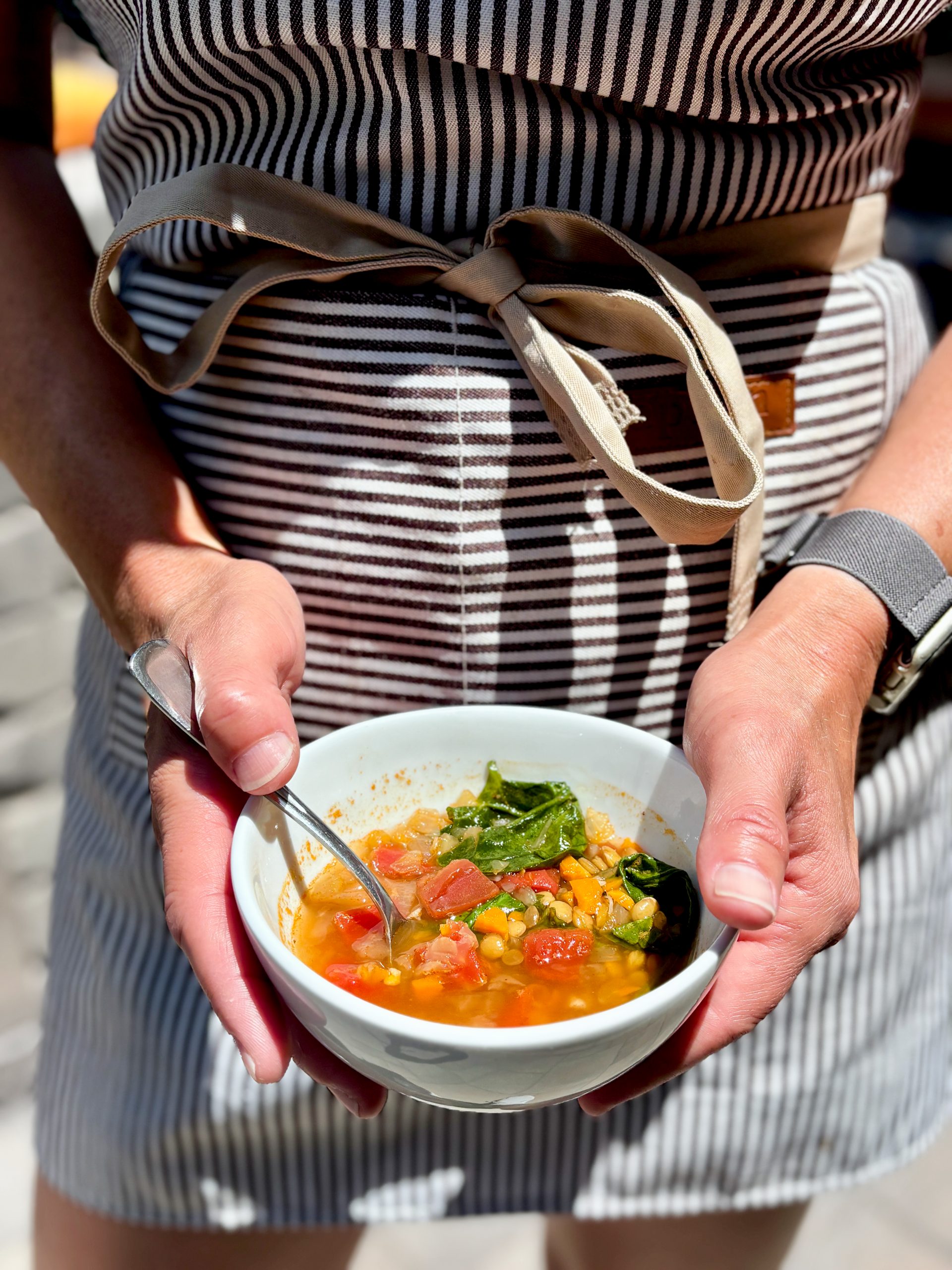
Lentil soup freezes in portions for 2 to 3 months. It thickens in the freezer, so add a splash of broth when you reheat.
Braised Short Ribs
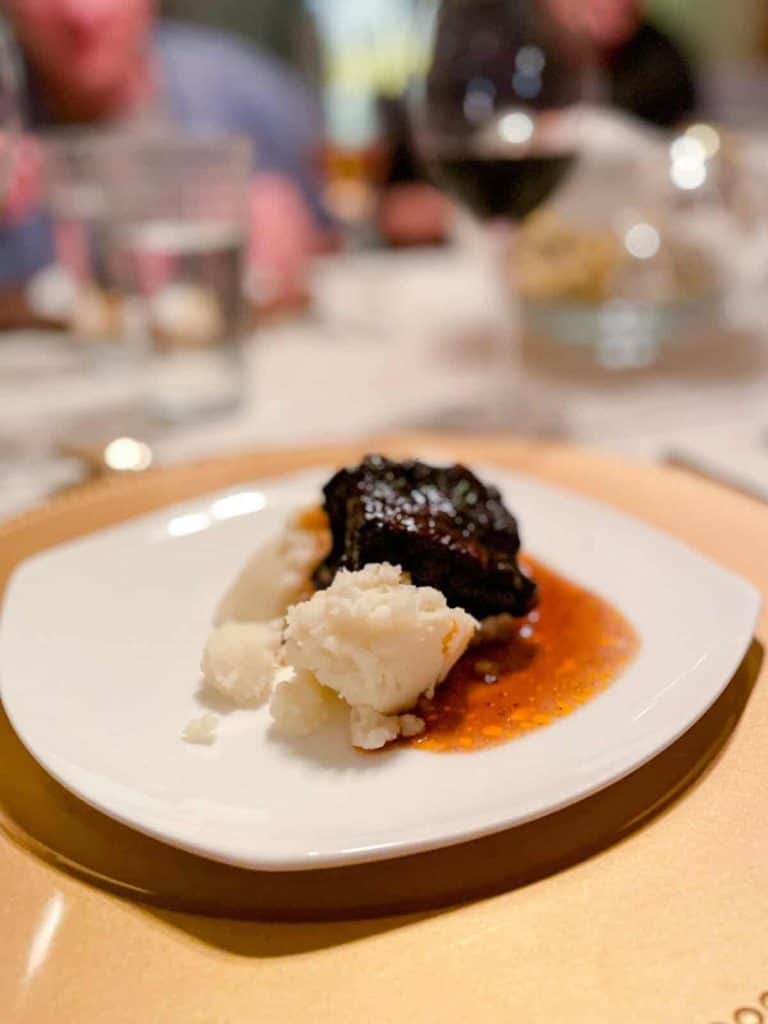
Bone-in short ribs browned well, then braised for hours in red wine, broth, crushed tomatoes, onion, garlic and a couple of bay leaves until the meat slides off the bone. Serve them over mashed potatoes like the plate here, or shred the meat into the sauce and spoon it over pappardelle.
Cooked meat dishes hold 3 to 4 days in the fridge and 2 to 6 months in the freezer, so I’d portion it into dinner-sized bags right away.
Garlic Alfredo Sauce
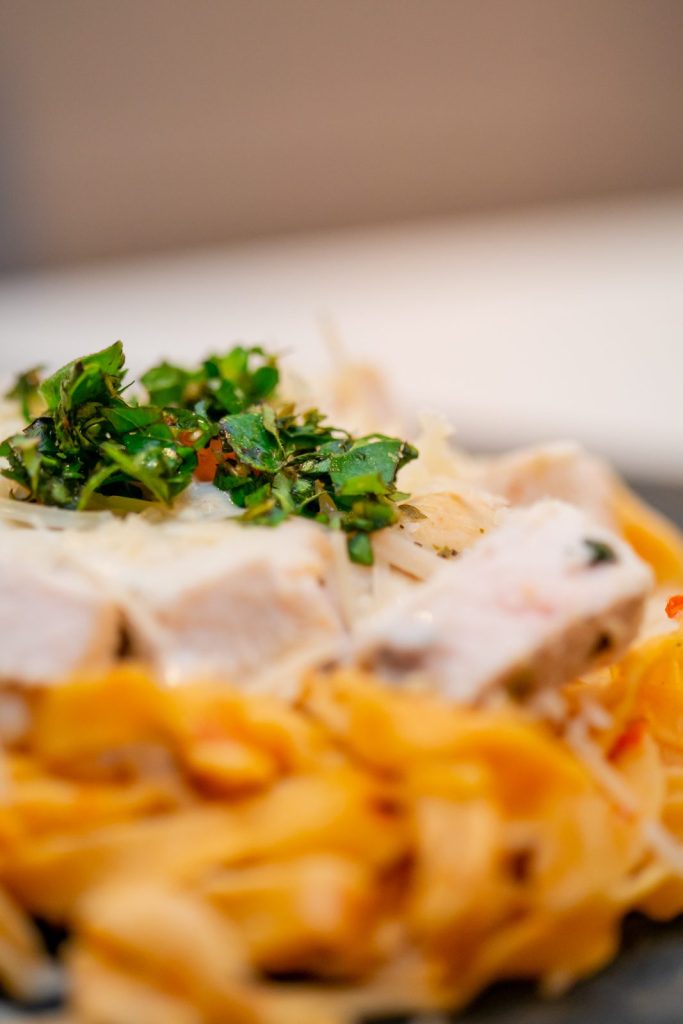
Butter, a good amount of minced garlic, heavy cream and freshly grated Parmesan, whisked until smooth. Cream sauces can separate a little after freezing, so reheat it slowly over low heat and keep whisking.
Toss it with fettuccine and some sliced chicken and greens, which is what’s on this plate.
When to Start Your Taper
Marathon tapering means gradually decreasing your training volume. Most runners will start their tapering about 2 to 3 weeks before a marathon, which should give your body enough time to heal and relax. To be on the safe side, you want to taper for at least 7 to 10 days.
Tapering doesn’t mean you stop working out. You’re only decreasing how much you work out, whether that means running 2 to 3 miles instead of 4 to 6, or 2 days a week instead of 3. Since you exercise less, you don’t need as many calories a day either, which is a good time to reach for the smaller portions in the freezer.
Chicken Taquitos
Shredded chicken mixed with cream cheese, salsa verde and a little cumin, rolled tight in small corn tortillas that have been warmed so they don’t crack. Freeze them seam side down on a tray.
Brush with oil and bake from frozen at 425°F for 15 to 20 minutes, until crisp.
Classic Beef Chili
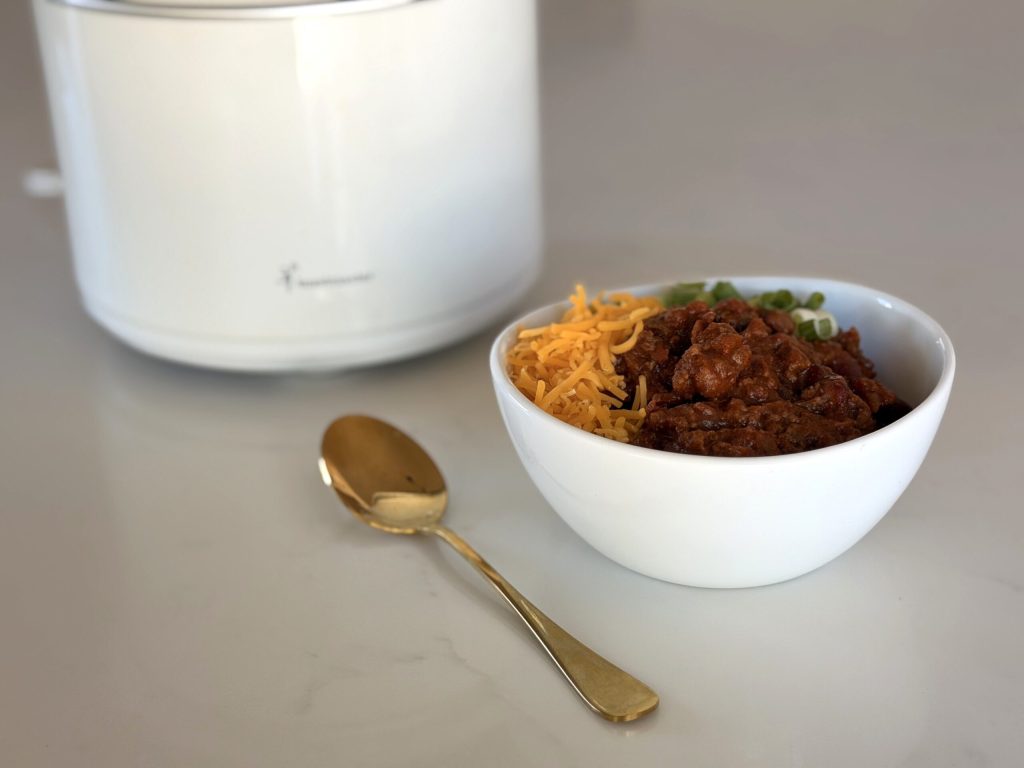
Ground beef browned with onion and garlic, then simmered with kidney beans, crushed tomatoes, chili powder and cumin, either in a slow cooker like the one behind this bowl or in a pot on the stove. Chili freezes about as well as anything. Freeze it flat in quart bags, thaw it overnight in the fridge and reheat it on the stove until it’s steaming. Cheese and onions go on after.
Naan Bread
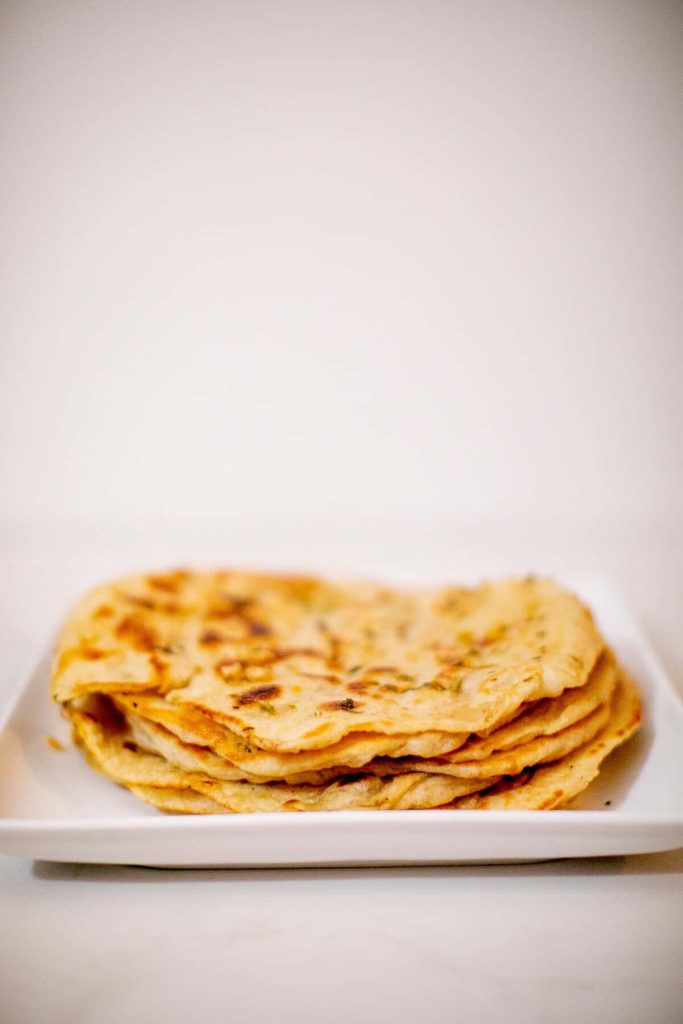
A soft yogurt dough cooked in a very hot cast iron skillet until it puffs and blisters, then brushed with butter.
Stack it with parchment between the pieces, like this pile, and freeze. A minute or so in a dry skillet warms it through, and it goes with the curry right below.
Coconut Chickpea Curry
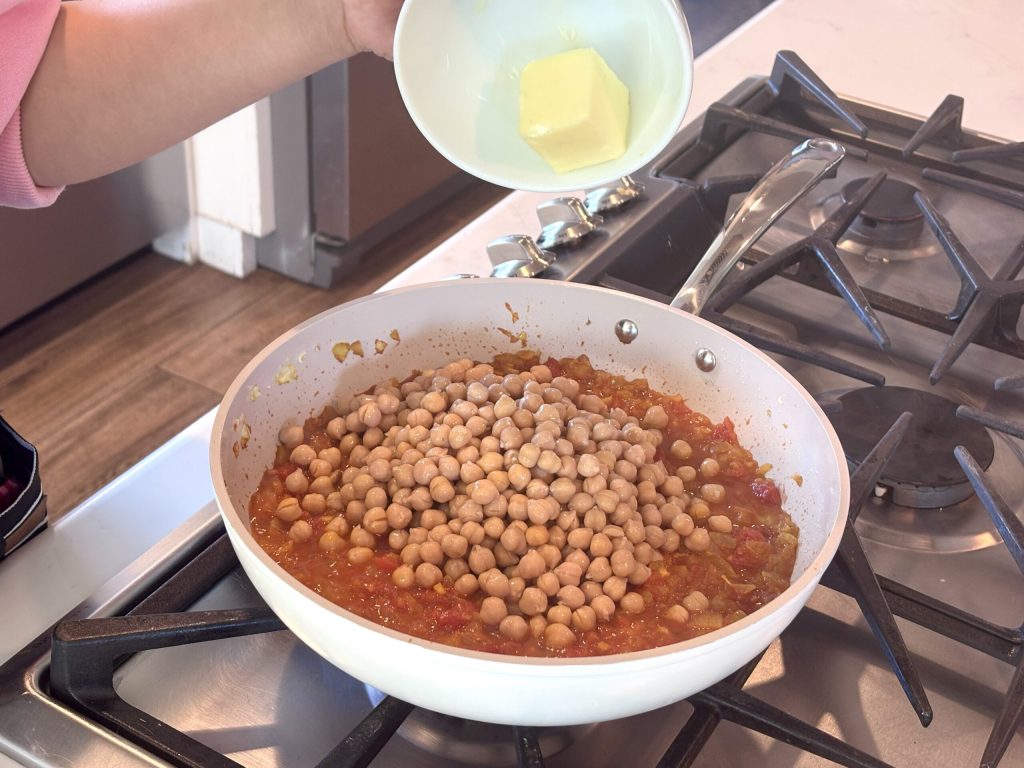
Onion, garlic and ginger cooked in oil with curry powder and garam masala, then chickpeas, a can of coconut milk and a can of diced tomatoes. Let it simmer about 20 minutes, like the pan here, and stir in spinach at the end. A pat of butter at the finish doesn’t hurt either.
Rice doesn’t freeze well with it (it goes sort of mushy), so I’d freeze the curry alone and cook rice fresh.
Sweet Potato Black Bean Enchiladas
Roasted sweet potato cubes and black beans with a little cumin and some green chiles, rolled in tortillas and covered with enchilada sauce and cheese. A meatless pan to keep next to the chicken one.
Meatloaf
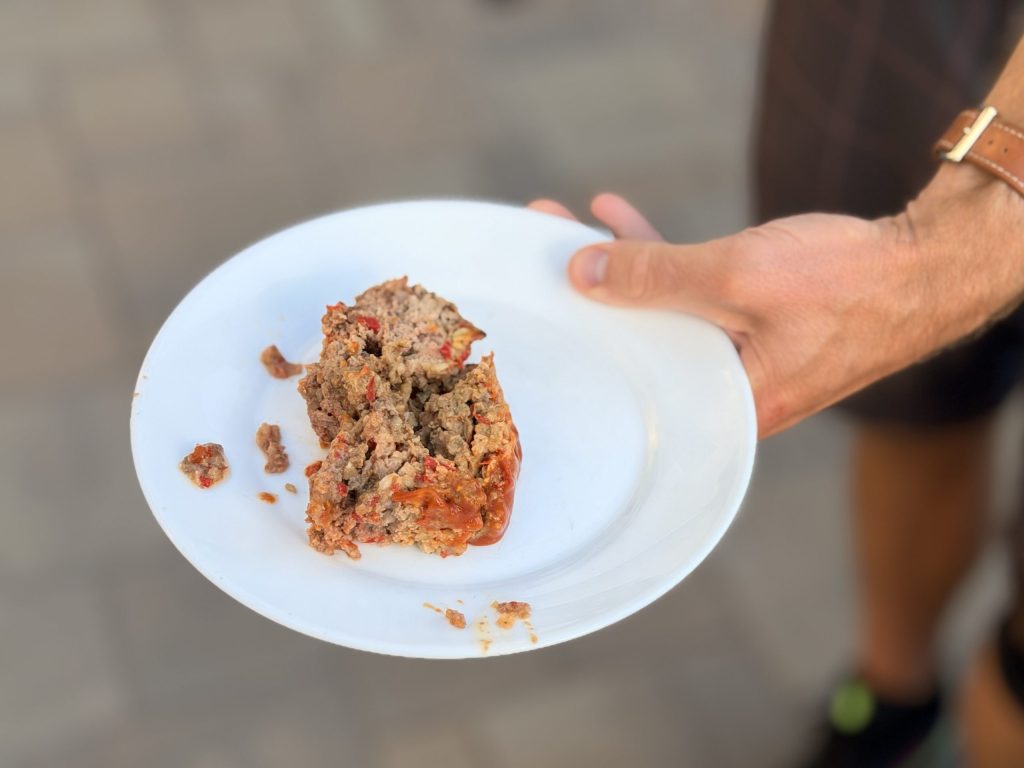
Your usual meatloaf mix (ground beef, breadcrumbs, an egg, onion and a little ketchup) shaped into a loaf and baked at 350°F for about an hour. Ground beef has to reach 160°F in the middle, so check it with a thermometer.
Let it cool, slice it and freeze the slices individually so you can grab 2 or 3 at a time, like the single slice on this plate.
Recovering Between Marathons
If you’ve given your all in your last marathon, you should wait at least 6 months before running another one. Here’s roughly how the weeks right after the race should go:
- During the first week after the marathon, refrain from doing any physical activity.
- The next week, it’ll be okay to go on light, short runs to keep your body from becoming stagnant. Steer clear of long distances, rough terrain or hard workouts.
- Then gradually build your training intensity, speed and distance during a reverse taper that lasts a couple of weeks.
- Eat for the stage you’re in: eggs, lean beef, poultry, fish, beans and whole grains while you recover, then more rice, whole grains, fruits and vegetables once serious training starts.
- If your body isn’t recovering as it should, it might be time to see a healthcare professional.
Texas Roadhouse Rolls
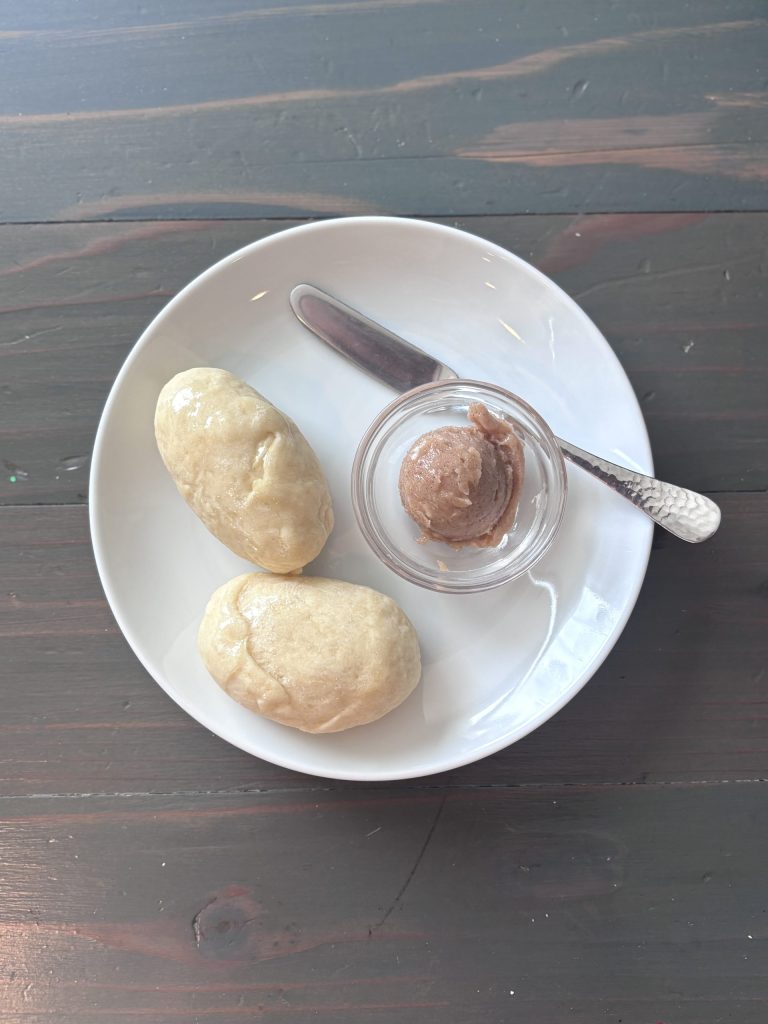
Sweet, soft yeast rolls brushed with butter, served with cinnamon honey butter on the side, which is what’s in the little dish here.
Freeze the baked rolls in a bag and warm them, wrapped in foil, at 350°F for about 10 minutes. The cinnamon butter keeps in the fridge.
Egg Muffins
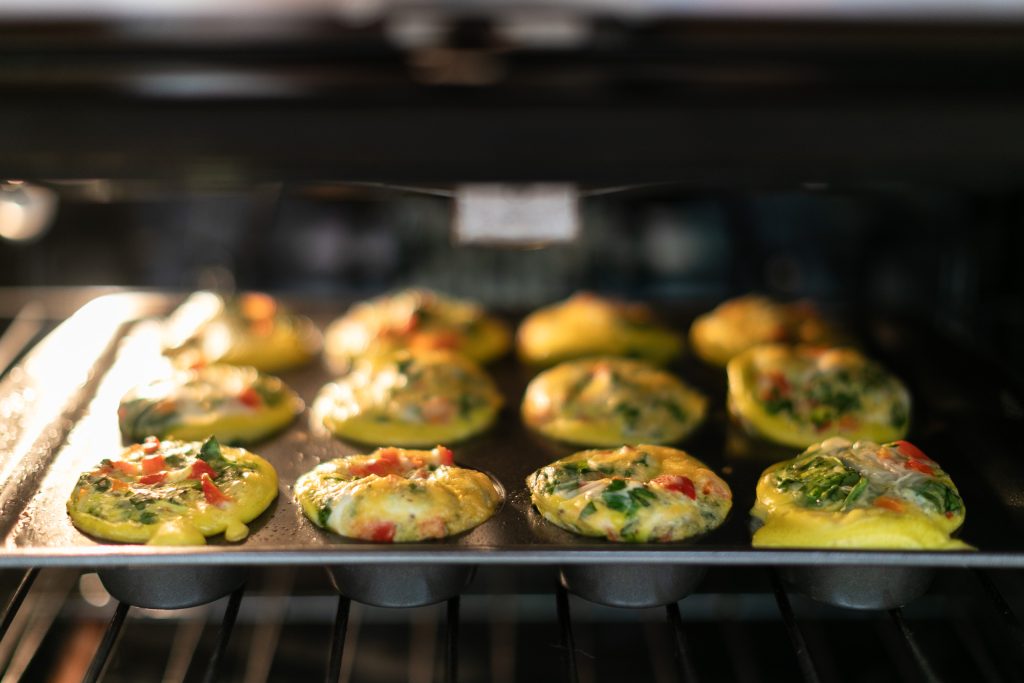
Eggs whisked with a splash of milk and poured into a greased muffin tin over whatever you like (ham and cheddar, or spinach, peppers and feta), then baked at 350°F for about 20 minutes, until the centers are set and reach 160°F. That’s the tray in this photo, still in the oven.
They keep 3 to 5 days in the fridge. For the freezer, cool them completely, freeze them on a tray and bag them, then microwave from frozen for about a minute.
Banana Bread
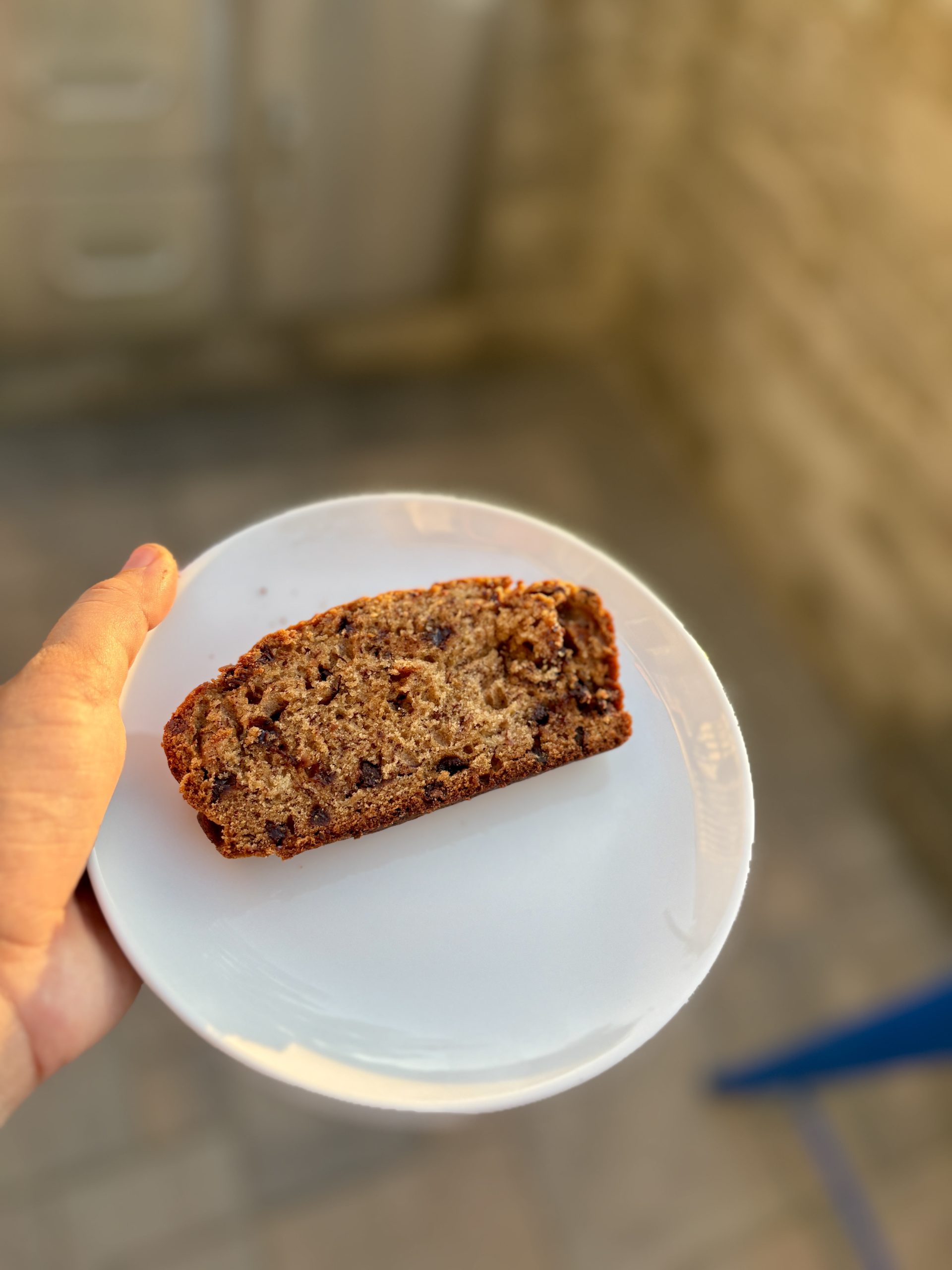
Slice the loaf before freezing so you can pull out one piece at a time and toast it.