
Life happens. Accept it. There will be days when your job or some other part of your life doesn’t allow you to get in that run. Maybe you have to cut a run short because you have some place to be. That’s okay. I myself have fallen into the trap of trying to make up for what I missed because of injury, and I wouldn’t recommend it. Don’t try to make up a run that you missed, whatever the reason. If you start adding things onto later runs because you missed a previous one, you can blunt the effectiveness of those runs, or worse, you can injure yourself.
Dinner on those nights should be the least of your worries. That’s where a sheet pan comes in: chicken, a vegetable or two, a hot oven and one pan to wash. These chicken dinners are built mostly that way, from shawarma plates and a cheesy chicken bake to a glazed breast over farro.
Herb Roasted Whole Chicken
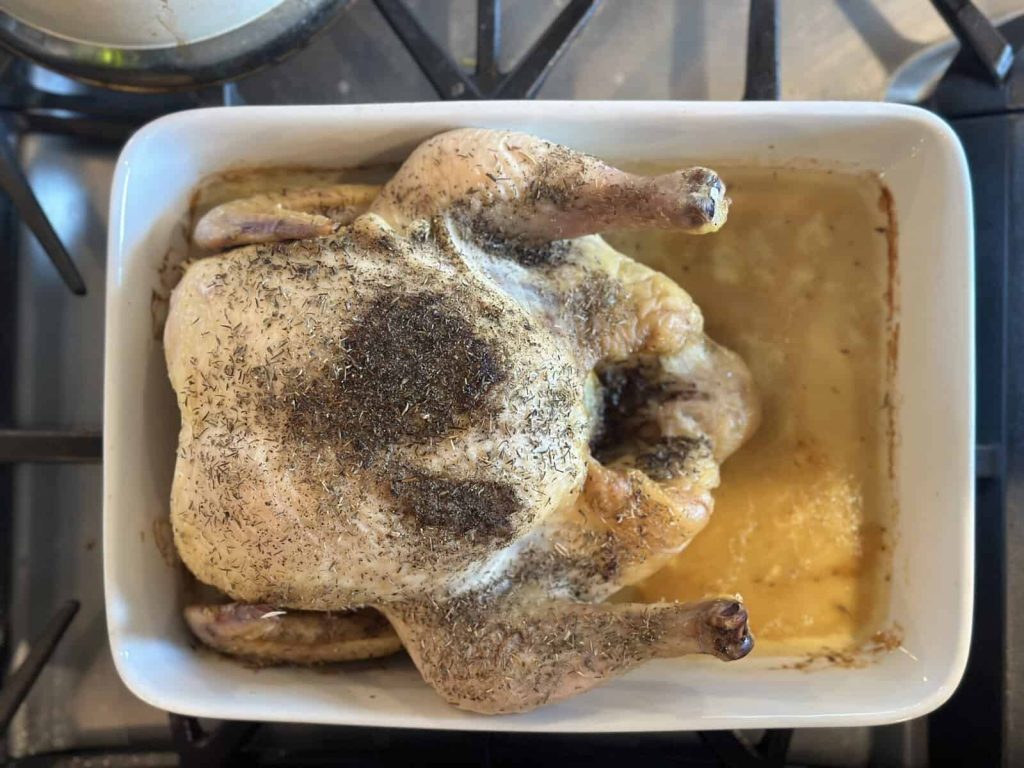
Not technically a sheet pan, but a whole bird in a baking dish is the same idea. Rub it with butter, salt, pepper and a heavy coat of dried herbs (thyme, rosemary, a little sage) and roast at 425°F for roughly an hour and 15 minutes for a 4 pound chicken.
Check the thickest part of the thigh; the FSIS safe temperature chart puts all poultry at 165°F. The drippings that collect in the dish, like the ones here, are worth spooning over whatever you serve with it.
Chicken and Potatoes With Green Beans
This is the one I’d make first if you’ve never cooked a whole dinner on one pan. Quartered baby potatoes go in at 425°F for 15 minutes on their own. Then push them to the edges, add bone-in thighs and a handful of green beans tossed in olive oil, garlic and salt, and roast another 25 to 30 minutes.
The potatoes need the head start. Skip it and you’ll have cooked chicken and crunchy potatoes.
Cheesy Chicken Bake
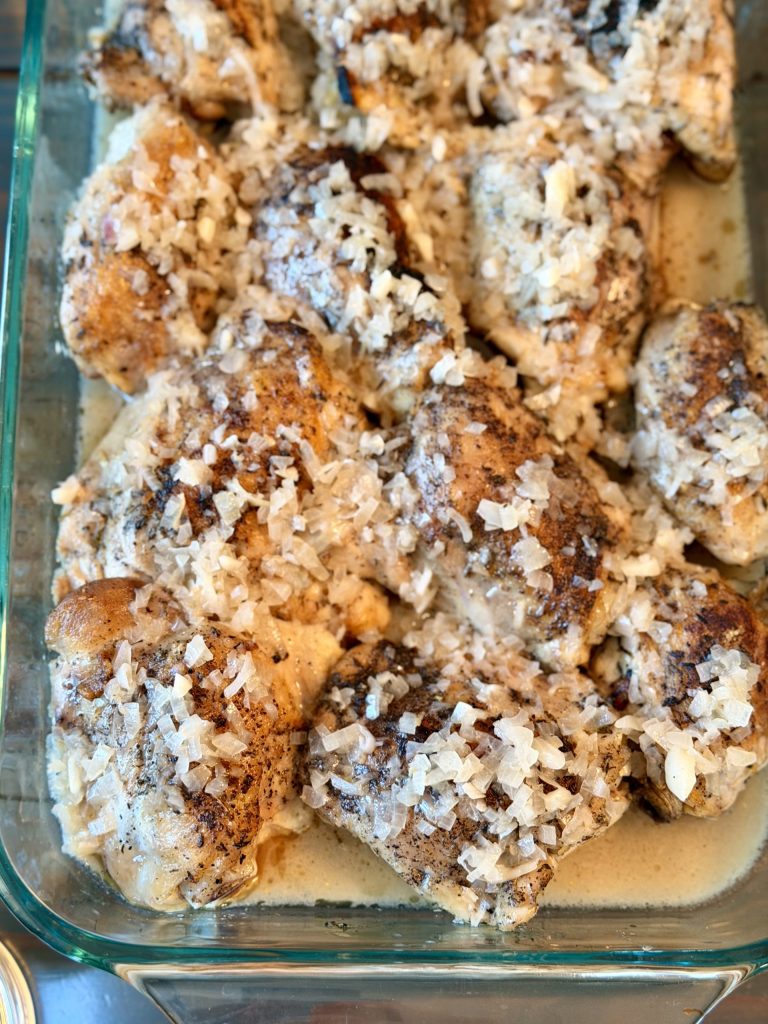
This one goes in a glass baking dish instead of on a sheet pan, because there’s a sauce and it needs walls. Season bone-in chicken thighs, nestle them in the dish, pour about a cup of cream whisked with garlic and a spoonful of Dijon around them, and cover the tops with grated Parmesan and a little minced onion.
Bake at 400°F for 40 to 45 minutes, until the thighs read 165°F and the cheese has browned in spots like the pan here. Spoon the sauce over rice or a piece of bread.
Common Reasons Your Calves Hurt
One of the most common sources of pain and injury for runners is calf pain. The only problem is that it’s difficult to know what causes it. A few of the usual suspects:
- Too much distance built up in too little time. A good rule of thumb is the 10% rule, which says you shouldn’t increase by more than 10% week over week.
- Running too fast. Keep from increasing your speed too quickly, and stick to a training plan that takes your current fitness level into account.
- Too much hill work. Hill work can be a good thing, but too much of this good thing can put a strain on your calf muscles.
- A muscle cramp. Eat a banana, drink some water and rest that leg.
- Worn out running shoes. If the mileage on a pair is too great, the shoes won’t give your legs the protection they need.
A tear in the calf muscle or the Achilles is a different story. If you suspect one, don’t delay in seeking medical attention. Sore calves are one more reason a run gets missed, and as I said at the top, that run isn’t worth making up later.
Chicken Shawarma Plate
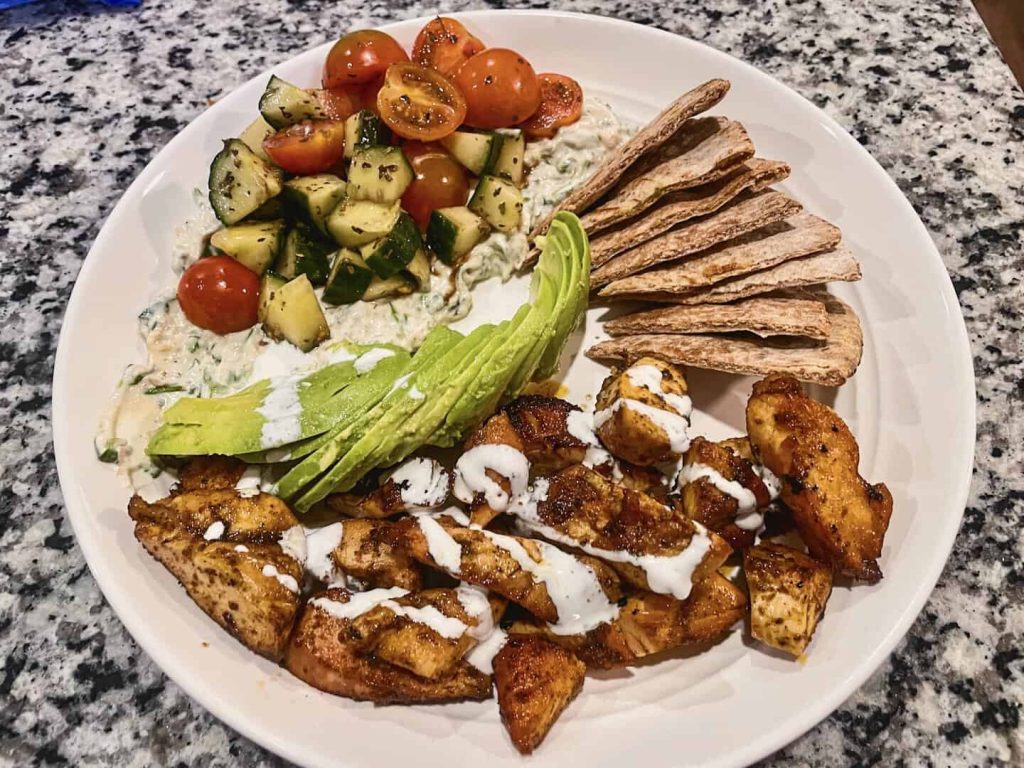
Marinate thighs in olive oil, lemon, garlic, cumin, coriander, paprika and a little cinnamon for at least an hour (overnight if you think of it). Roast them on one side of the pan with chunks of potato on the other at 425°F until the edges char, about 30 minutes.
Slice it up and build a plate like this one: cucumber and tomato salad, avocado, warm pita and a drizzle of yogurt sauce thinned with lemon juice.
Pesto Chicken and Tomatoes
Spread store bought pesto over chicken breasts, scatter cherry tomatoes around them and roast at 400°F for 20 to 25 minutes. The tomatoes burst and mix with the pesto into a sort of sauce. Pound the breasts to an even thickness first so the thin end isn’t dry by the time the thick end is done.
Roasted Chicken Leg Bowl
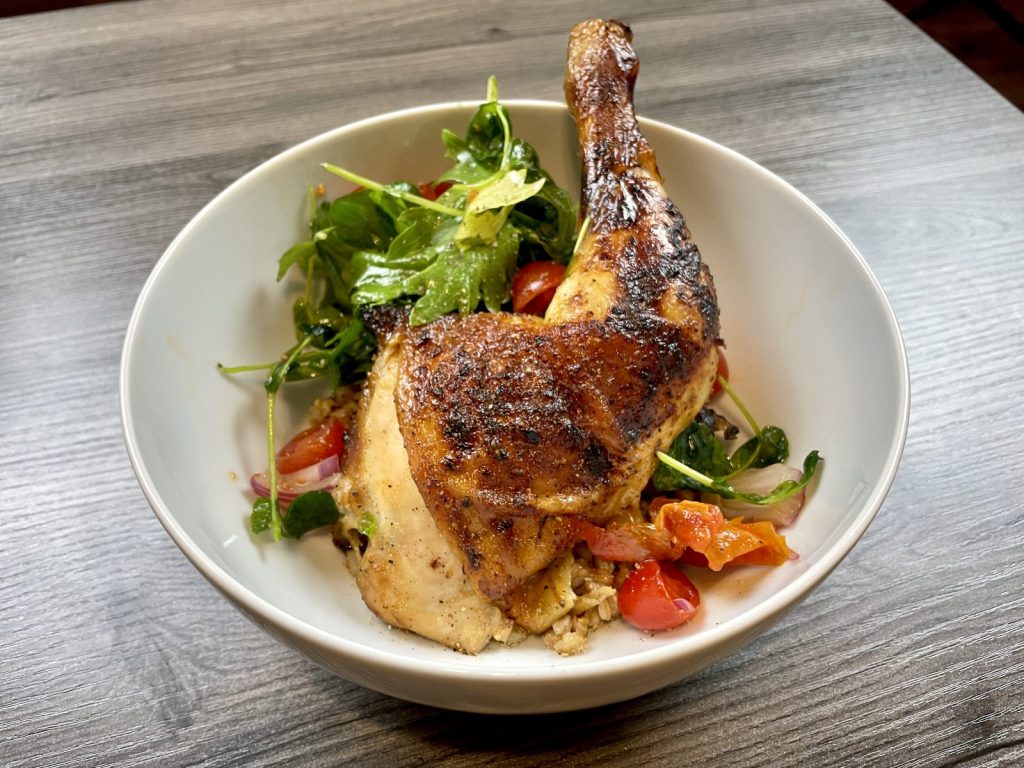
A whole leg quarter, the skin rubbed with smoked paprika and salt, roasted at 425°F for about 40 minutes until it’s crisp. Set it over arugula, cherry tomatoes and red onion with something starchy underneath, like this bowl.
In my book the leg quarter is the most underrated cut in the meat case. It’s cheap and it’s hard to overcook.
Buffalo Chicken and Cauliflower
Toss bite size pieces of chicken breast and cauliflower florets with olive oil, garlic powder and salt, and roast at 425°F for 20 minutes. Then pour buffalo sauce mixed with a little melted butter over everything, toss it right on the pan and give it 5 more minutes. Celery and blue cheese on the side, or rice underneath if you want it to go further.
Running Through Shin Splints
Shin splints are very much an injury that results from repeated trauma to tissues that aren’t built up enough to handle an increase in mileage or speed. Not running at all is a viable (and some would say advisable) option, because continuing to run on legs that hurt could significantly increase the amount of time it takes you to heal, or lead to something more serious like a stress fracture.
If you decide to keep running, cut back on your mileage, either the number of miles or the number of days each week, and reduce your intensity too. The mantra with shin splints is “too far, too fast.” Sometimes the problem is your shoes, since worn running shoes can defeat the shock absorbing qualities they’re meant to provide.
After the run, RICE: rest, ice, compression and elevation. And if you’re reaching for ibuprofen to get through it, make sure your pain isn’t telling you about a more serious problem, and talk to a doctor before taking any medication.
Glazed Chicken Breast Over Farro
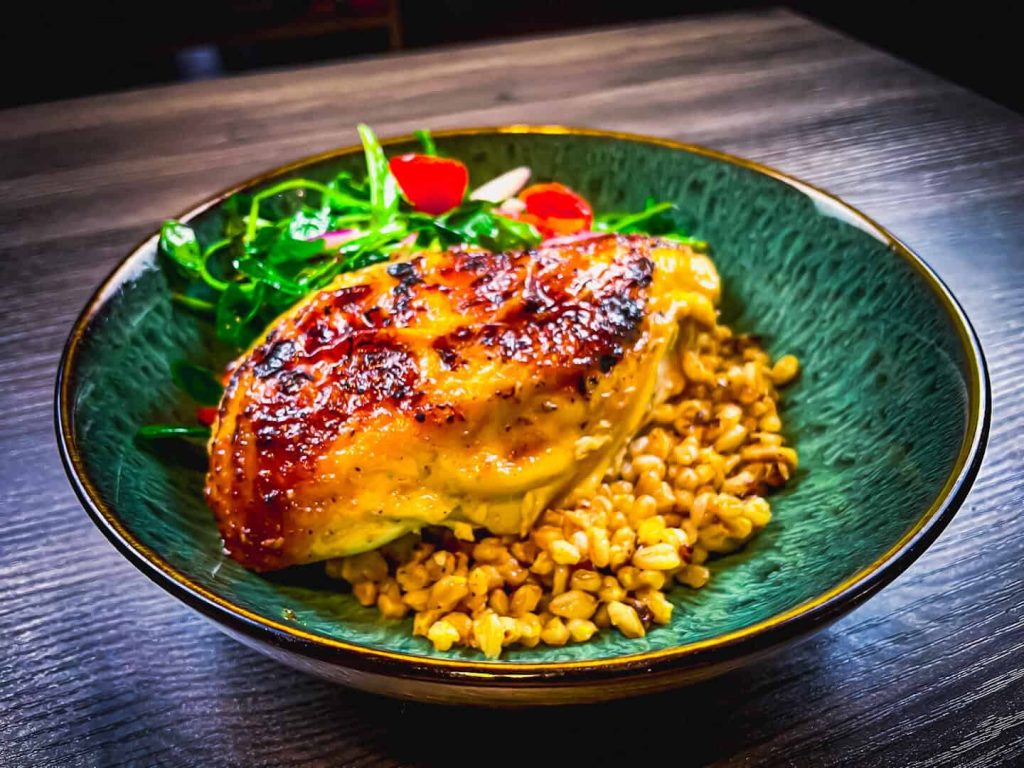
Start the farro on the stove (pearled farro takes about 25 minutes) and get the chicken in the oven at the same time. Brush the breasts with honey, soy sauce, garlic and a pinch of chili flakes, roast at 425°F, and brush on more glaze halfway through.
Run it under the broiler for the last minute or so if you want dark, sticky edges like the one in this bowl. A handful of greens on the side and you’re done.
Roasted Chicken and Greens
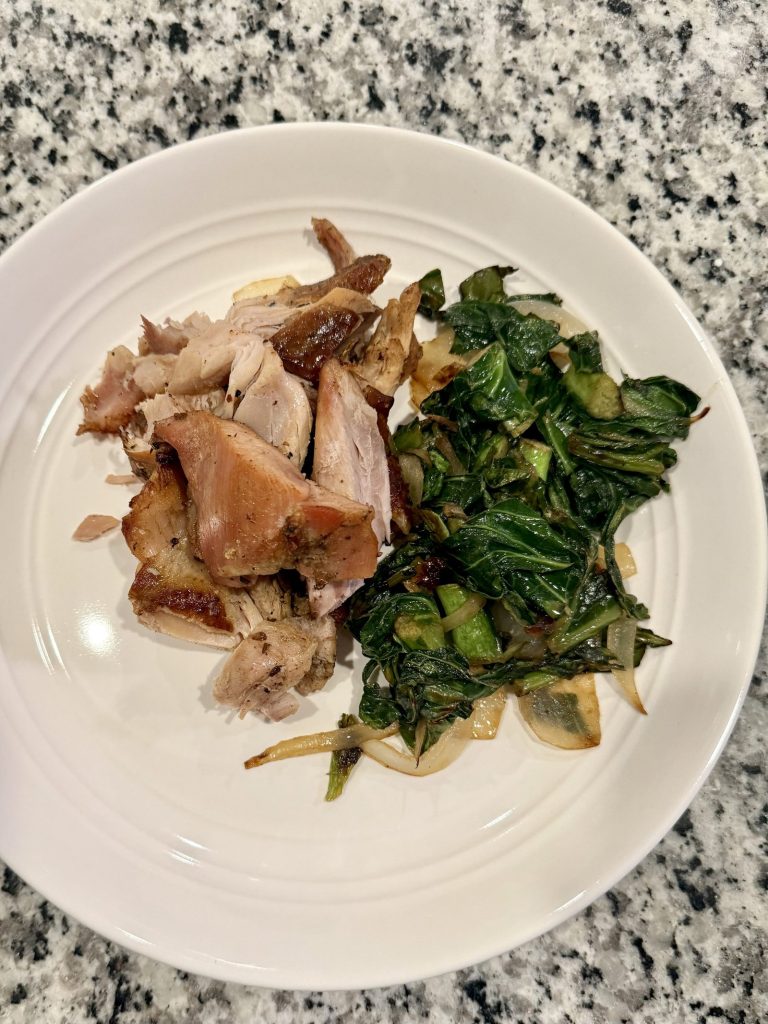
Chicken thighs roast at 425°F for about 30 minutes on top of a sliced onion, and for the last 5 you pile a bunch of chopped chard or kale onto the pan so it wilts in the drippings. That’s the whole dinner on this plate. For leftovers I’d pull the meat off the bone before it goes in the fridge, since it reheats better that way.
When Your Thighs Hurt After a Run
Most runners get thigh pain at some point, and it can be mild, moderate or intense based on the cause. Soreness at the front of the thigh usually points to the quads: running too fast for longer than your body is ready for, not warming up, or too many hill sprints without breaks. Sharp pain at the back of the thigh while you’re running sounds more like a hamstring strain, and that’s when you stop, rest and check with a physiotherapist.
Until you go see a doctor, which is what you should do if the pain doesn’t go away with rest, there are a few things to do at home. Get some fluids in within 15 minutes of stopping, even if it’s cold and you don’t feel thirsty. Stretch your hamstrings, quads, hips and calves within 30 minutes. A warm bath, or an ice pack wrapped in a towel, can help too. And on rest days, a short bike ride or a light walk beats sitting still.
Butterflied Chicken Breasts
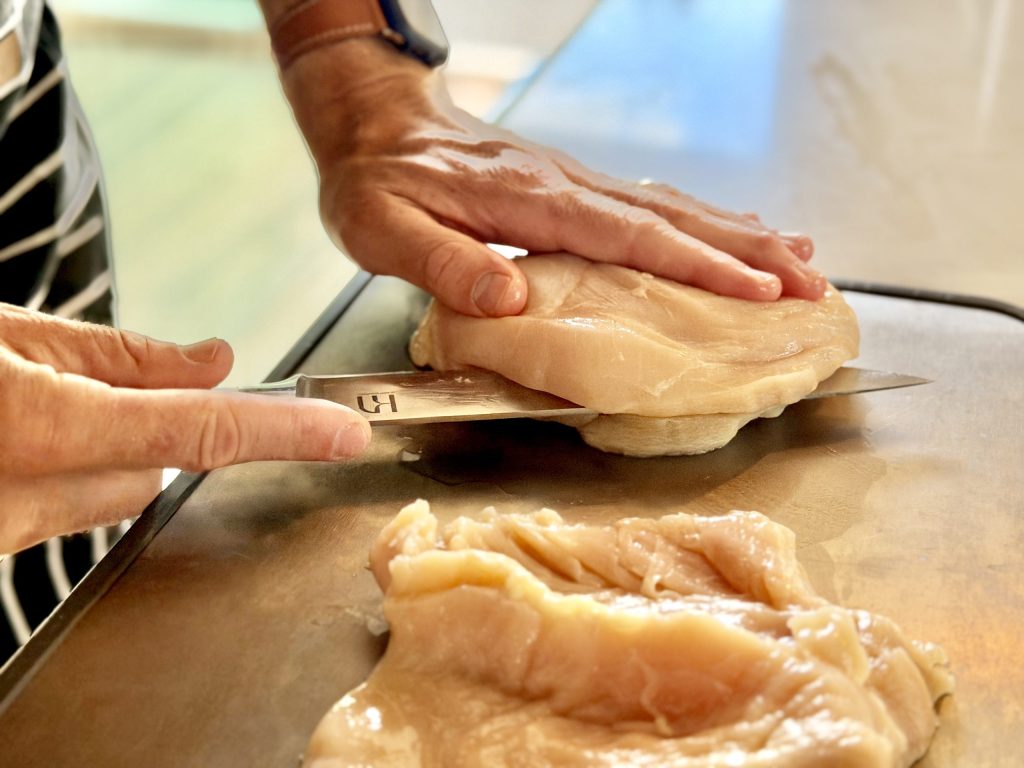
Butterflying a thick breast is the knife trick I’d learn first for sheet pan chicken. Lay your hand flat on top, like in the photo, and slice into the thick side almost all the way through, then open it like a book. It cooks in about 15 minutes at 425°F instead of 30, and it cooks evenly. Lemon pepper and garlic is my default seasoning.
Wash the cutting board and knife in hot, soapy water before they touch anything else.
Crispy Chicken Thighs
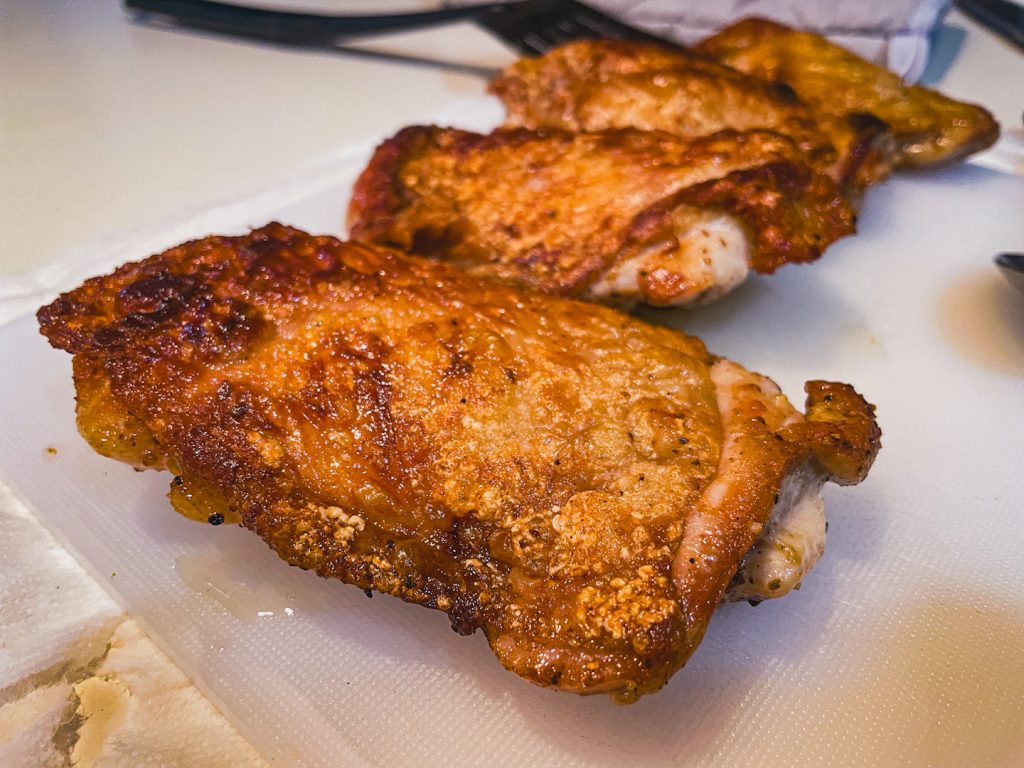
Bone-in, skin-on thighs are about the most forgiving cut you can put on a sheet pan. Pat them dry, rub them with oil, salt, smoked paprika and garlic powder, and roast skin side up at 425°F for 35 to 40 minutes, until the skin goes deep brown and crackly like these.
Pour a splash of white wine into the hot pan afterward and scrape up the browned bits for a quick sauce. Thighs are safe at 165°F, though they stay juicy well past that.
Chicken With Quinoa and Roasted Vegetables
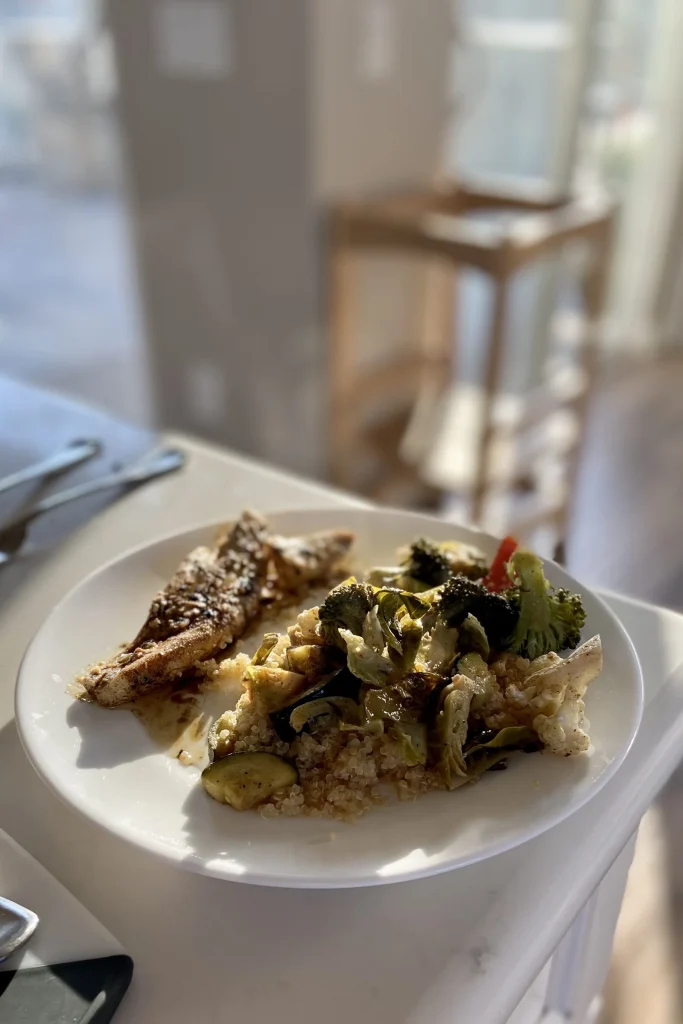
Zucchini, peppers, red onion and whatever greens you have on one half of the pan, seasoned chicken breasts on the other, 425°F for 20 to 25 minutes. Meanwhile cook a pot of quinoa.
Stir the roasted vegetables into the quinoa with a squeeze of lemon and plate it next to the chicken, the way this plate is set up.
Roasted Chicken With Mashed Potatoes and Asparagus
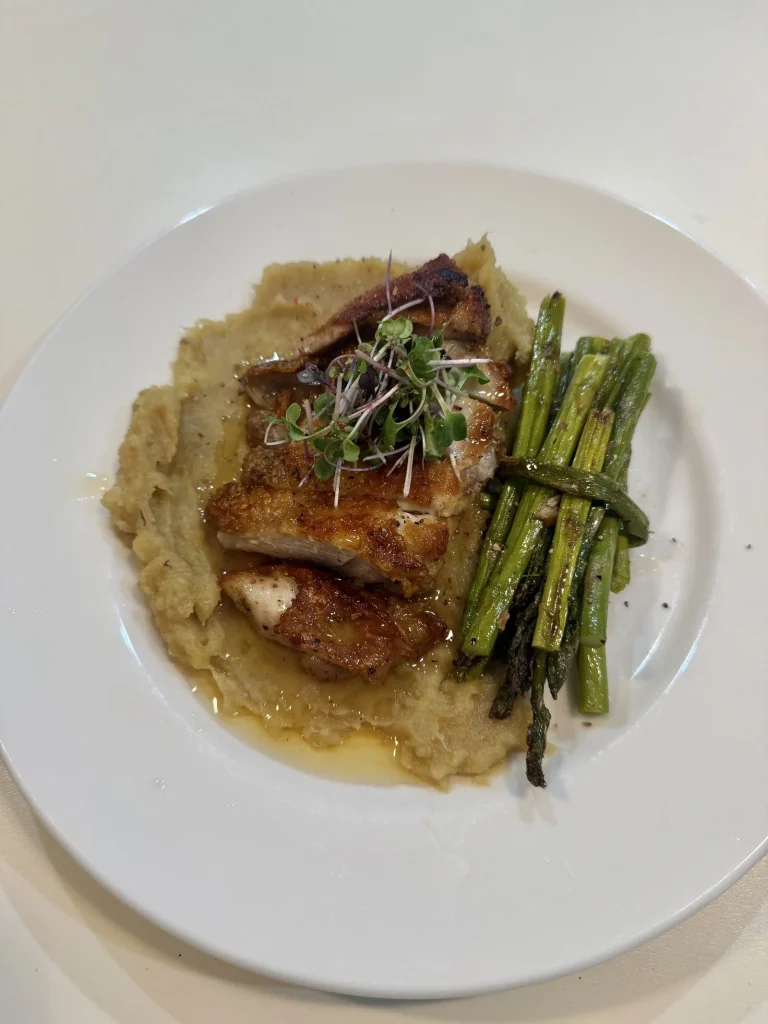
Season the breasts and lay them on the sheet pan with asparagus spears tossed in oil, then roast at 425°F for 18 to 22 minutes, until the chicken reads 165°F (thin spears can wait and go in for the last 10). Serve it over mashed potatoes with a little of the pan juices spooned on top. The microgreens on this plate are optional (I’d skip them on a Tuesday).
What Compression Sleeves Do and Don’t Do
Compression was initially used for medical reasons such as preventing blood clots and severe leg swelling, and it has since become a fixture in the running world. Sleeves squeeze the leg tissues and the walls of the veins, the idea being that blood flows back toward the heart instead of pooling in your legs. While it is unclear whether wearing them will improve performance, a lot of runners like them for soreness and swelling after a long run.
Most are graduated, with more compression at the ankle than the calf, and rated in mmHg. The common levels are 8 to 15 (very light, for aching legs and minor swelling), 15 to 20 (moderate) and 20 to 30 (high, and the most popular with athletes). Anything higher should only be worn under a doctor’s supervision. They should fit smooth against your skin, not wrinkled or bunched up, so check the size chart. If you want to compare a few, here are calf compression sleeves on Amazon.
Parmesan Crusted Chicken and Green Beans
Brush chicken breasts with a thin layer of mayo or Dijon, then press on a mix of grated parmesan, panko, garlic powder and parsley. Green beans go around the edges. Roast at 425°F for 20 to 25 minutes, and if the crust is browning too fast, lay a piece of foil loosely over the top.
Sliced Chicken Breast With Carrots
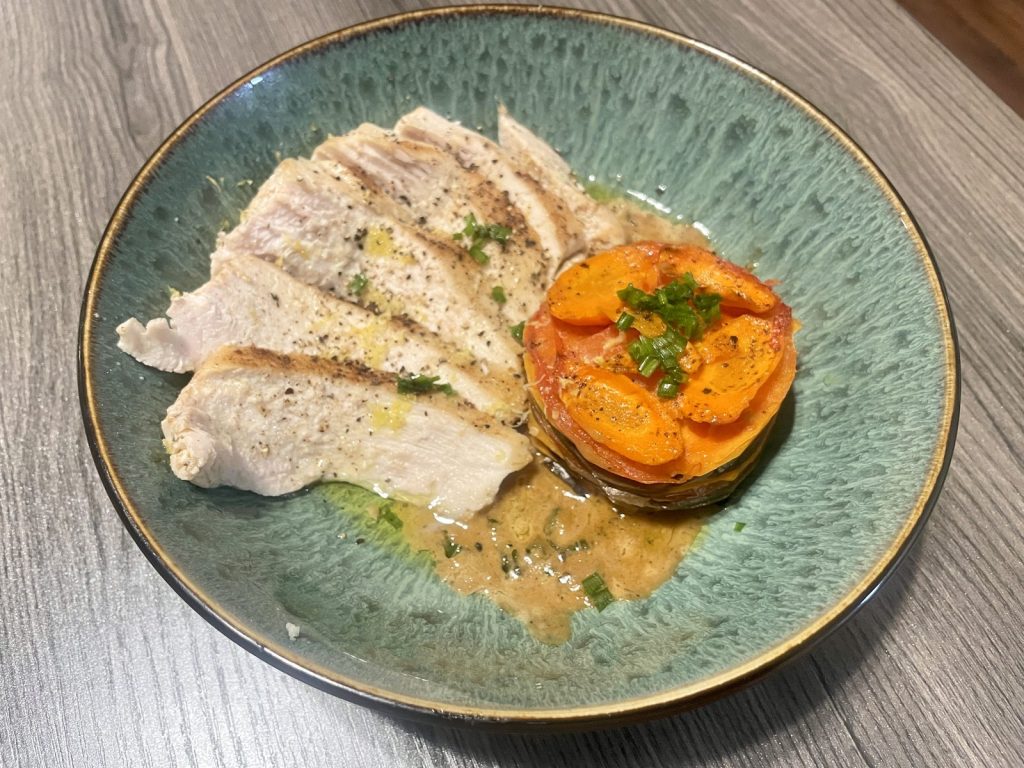
Plain roasted chicken breast, sliced, with roasted carrots and a little pan sauce. Sometimes that’s all you want.
Give the carrots (cut into rounds and tossed with butter, honey and thyme) a 10 minute head start before the chicken goes on. For the sauce, splash some chicken broth onto the hot pan when it comes out and scrape up the browned bits.
Chicken Fajitas
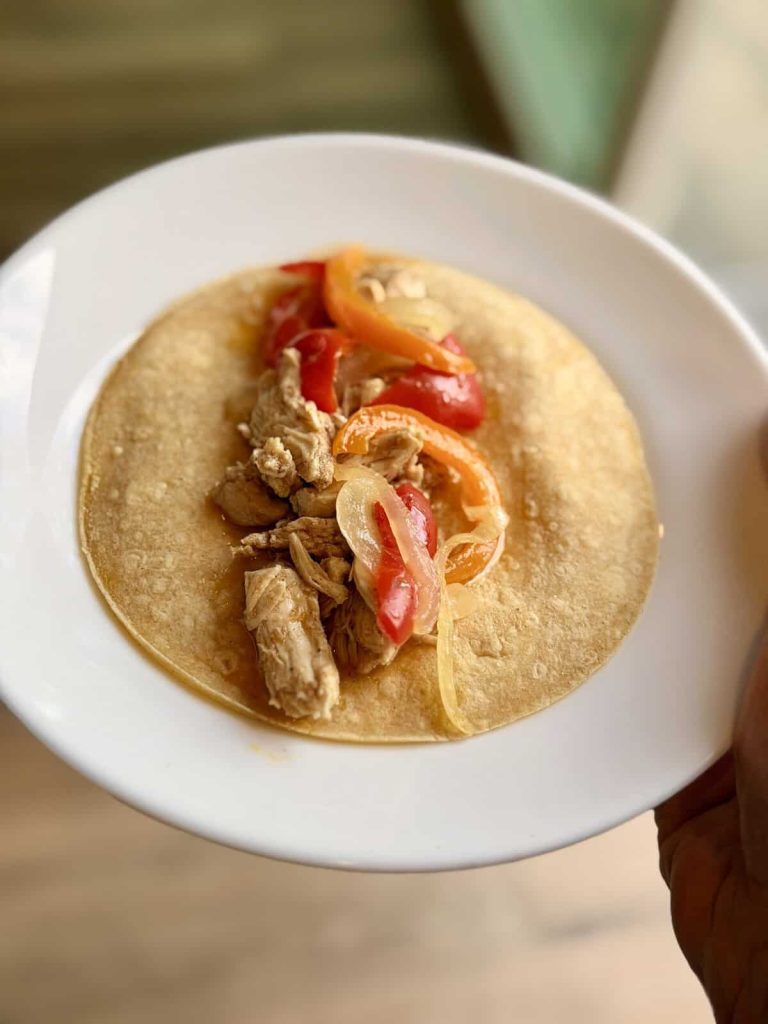
Sliced chicken breast, 3 bell peppers and an onion cut into strips, all tossed with oil, chili powder, cumin, garlic powder and a squeeze of lime. Spread it out in one layer (2 pans if it’s crowded) and roast at 425°F for 20 to 25 minutes.
Warm the tortillas on the oven rack for the last minute and pile it in, like the one here. Salsa, sour cream, done.
Shredded Chicken Tostadas
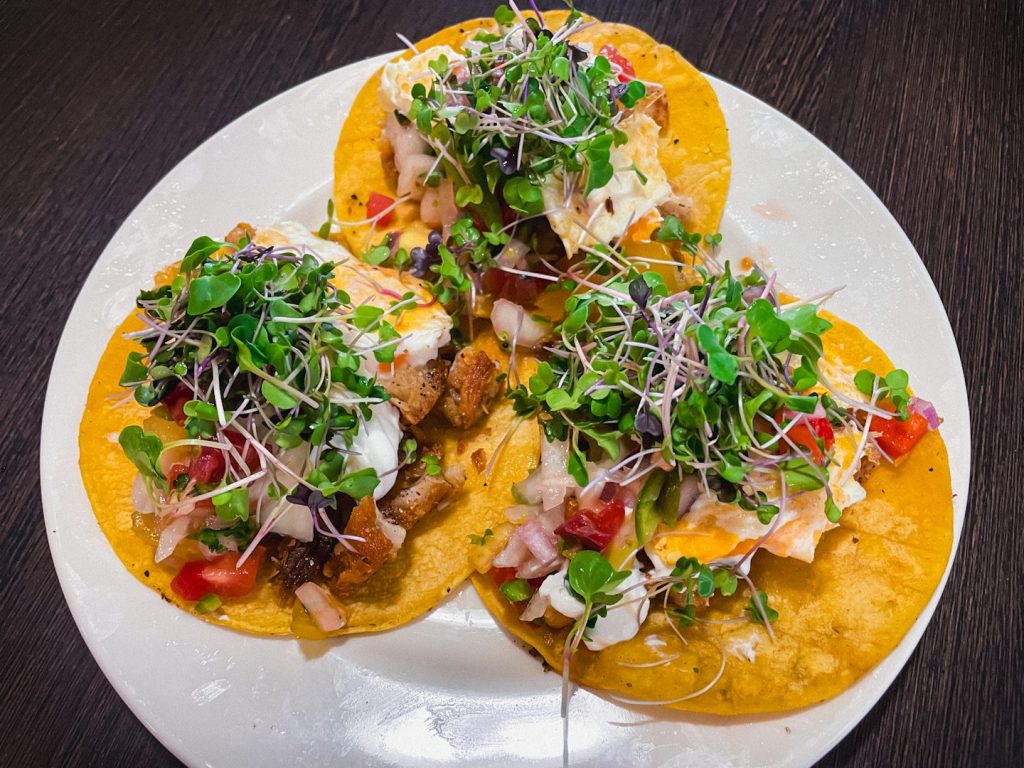
Brush corn tortillas with a little oil and bake them flat on the sheet pan at 400°F, about 5 minutes a side, until they crisp up. Pile on shredded chicken (a rotisserie bird is fine), slide the pan back in for a few minutes to warm it through, then add pico de gallo and a crumble of cheese.
These have microgreens on top, which is nice if you happen to have them and not something I’d make a special trip for.
Running and Your Knees Later in Life
One of the biggest concerns that runners, and non runners alike, have pertains to their knees. The risk comes from the repetitive strain of your foot hitting the pavement, dirt or gym floor, which places a lot of pressure on your joints and can, over time, cause damage in some cases.
The truth is that if you know your body and run in a responsible way, you don’t have much to worry about. In large part, knee problems later on can be avoided with proper precautions: work up to longer distances during training, recover adequately and use good technique. If you tend to run too far and keep going once your form is gone, that’s where the trouble shows up. At the end of the day it depends on your own body, your technique and your lifestyle, and it will vary from person to person.
Balsamic Chicken and Brussels Sprouts
Halve the Brussels sprouts and put them cut side down on the pan, which is where the browning happens. Thighs go in next to them, along with a few red onion wedges. Roast at 425°F for 25 minutes, then drizzle the whole pan with balsamic vinegar that’s been reduced with a spoonful of honey.
Chicken, Chickpea and Onion Bowl
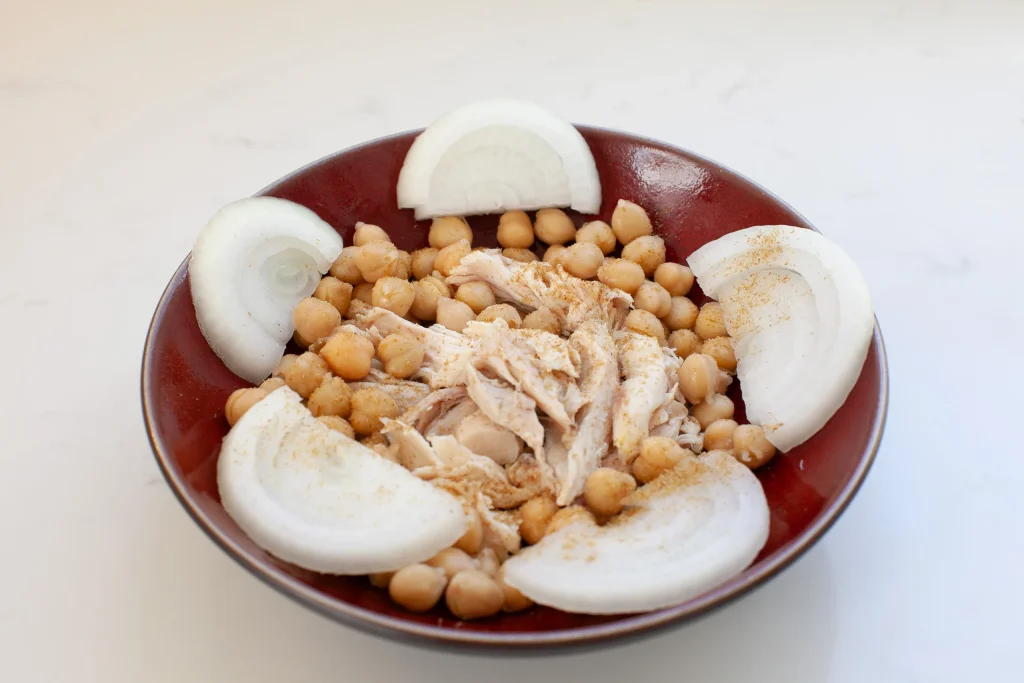
Shredded chicken, chickpeas and wedges of onion, laid out in this bowl before roasting. Toss the chickpeas and onion with olive oil, cumin, smoked paprika and salt and roast at 425°F for 25 minutes, until the chickpeas crisp and the onion goes soft and sweet.
If you use leftover cooked chicken, stir it in for the last 10 minutes and make sure it’s hot all the way through; leftovers should hit 165°F.
Chicken, Spinach and Cheese Bake
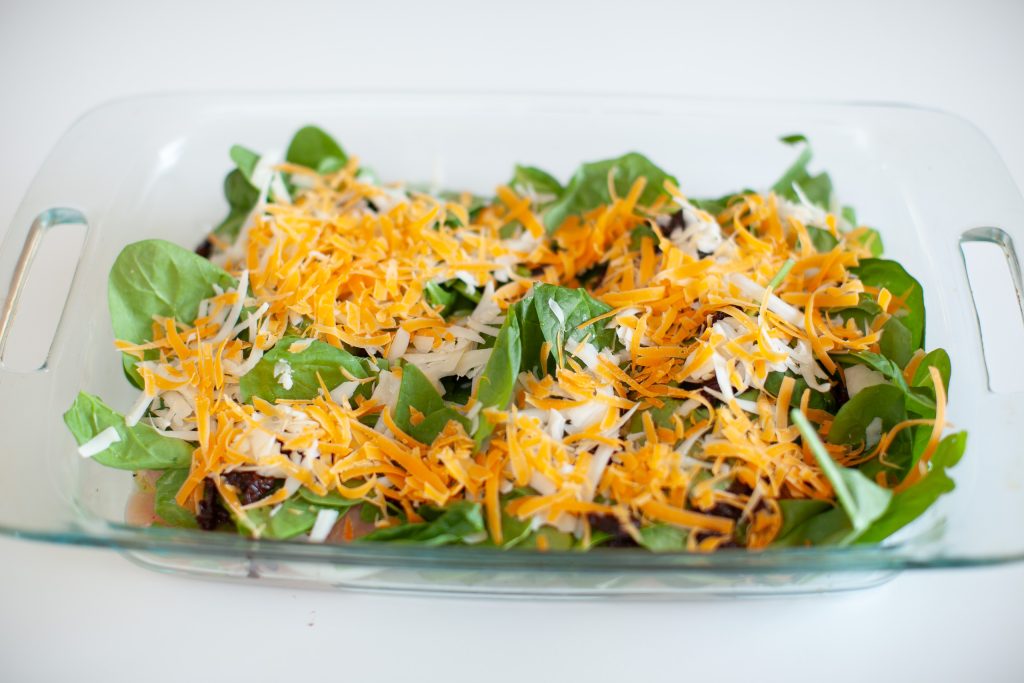
Bake chicken breasts in a baking dish with a little garlic and Italian seasoning at 400°F for about 15 minutes. Then pile on fresh spinach with shredded cheddar and mozzarella, which is what this dish looks like right before it goes back in, and bake another 10 minutes until the cheese melts and the spinach wilts down.
Leftovers keep 3 to 4 days in the fridge. The FoodSafety.gov cold storage chart gives cooked chicken 2 to 6 months in the freezer if you’d rather stash a portion.
A Few Knee Exercises Worth Your Time
Strengthening your ankles, knees, hips and quadriceps helps protect your knees, and running in poor form without a proper warmup does the opposite. These are aimed at runners with little to no knee pain. You shouldn’t feel any pain doing them; if you do, stop and get your knees checked out by a professional.
- Shallow standing knee bends. With a hand on a chair and your feet about shoulder width apart, bend your knees as if sitting on an invisible chair, keeping them pointed the same direction as your toes. Tense the muscles above your knees and your glutes as you come up. Repeat 8 to 12 times.
- Clamshells. Lie on your side with your knees bent and legs stacked. Keep your heels together and slowly open your top leg, hold for 2 seconds, then lower it. Do 15, then switch sides.
- Step ups. Put your right foot on a sturdy step or bench, step up and bring your left foot up, then step down left foot first. Do 10, then switch legs.
Teriyaki Chicken and Broccoli
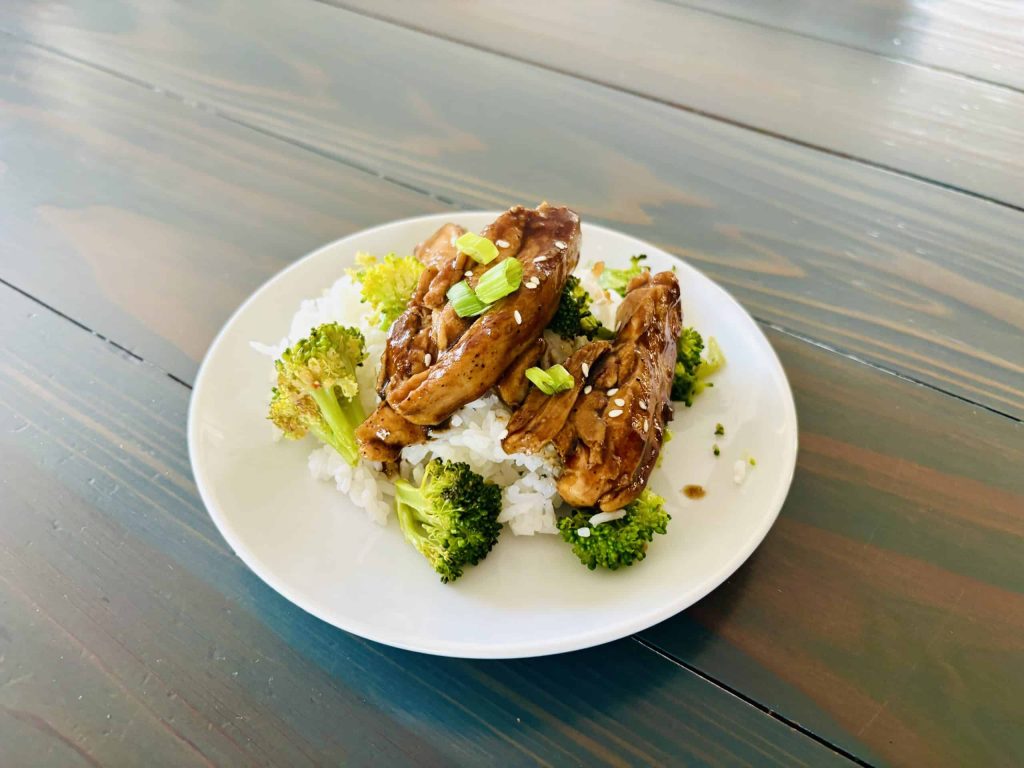
Boneless thighs and broccoli florets on one pan at 425°F for about 20 minutes. Simmer soy sauce, a little honey or brown sugar, garlic, ginger and a spoonful of cornstarch in water until it thickens, then brush half of it on the chicken for the last 5 minutes and save the rest for pouring.
Slice it and serve it over rice with green onions on top. Don’t reuse any sauce that touched the raw chicken.
Sheet Pan Chicken Quesadillas
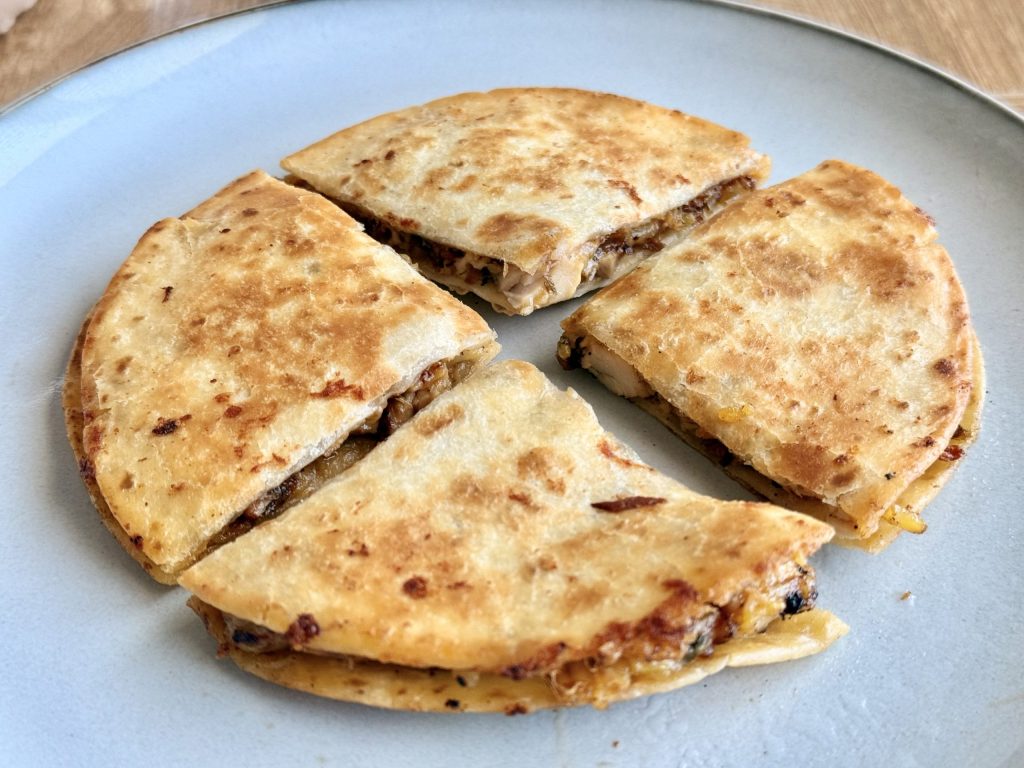
Fill large flour tortillas with shredded chicken, a handful of cheese and a few pickled jalapeños, fold them in half and lay them on an oiled sheet pan. Brush the tops with oil and set a second sheet pan on top to press them flat. Bake at 425°F for about 10 minutes, then pull the top pan and give them 5 more so they crisp.
Cut them into wedges like these. Wrapped one at a time they freeze pretty well, and I’d reheat them in the oven until they’re hot in the middle (165°F).