
Adjust your breathing technique. Fix your posture. Work on your stride. All these thoughts and more pop across your mind as you run. You’re in a never-ending battle just trying to get that mileage going, and things are already hard as they are without throwing leg pain into the mix.
So I figure the rest of the day can ask a little less of me. Load the slow cooker in the morning, set the dial and leave it alone until dinner. The meals below fit that routine, from beef barbacoa and kalua pork to birria bowls and a pot of Tuscan white bean soup, plus a few notes on what to do when your legs start complaining.
Whole Slow Cooker Chicken
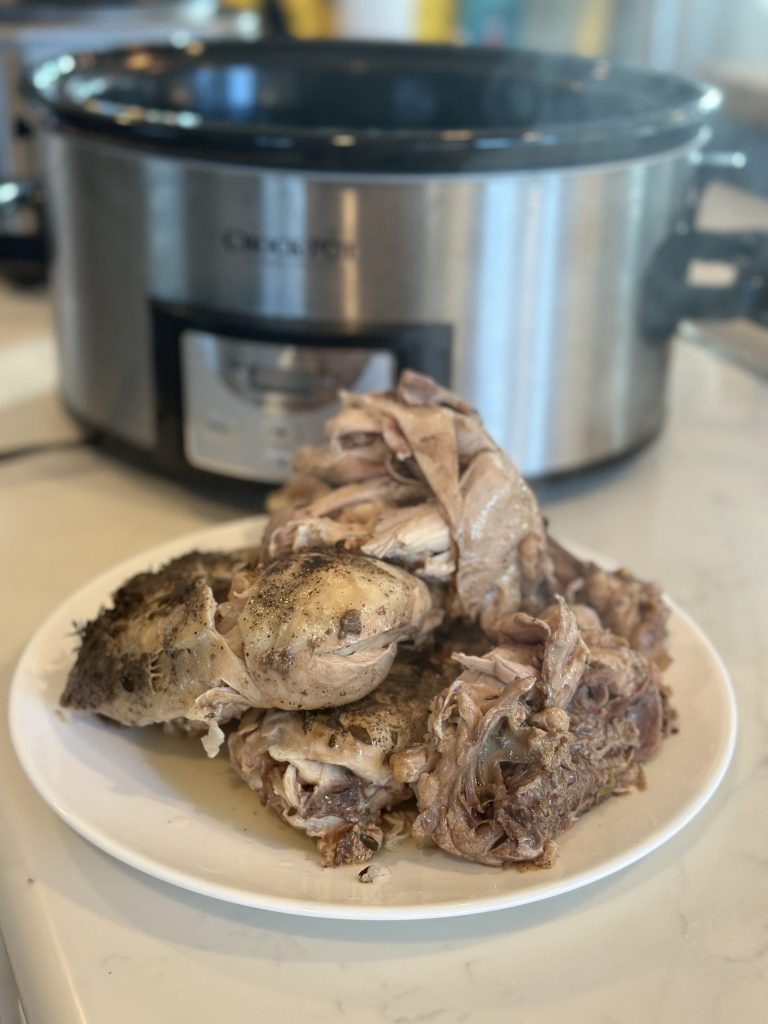
Rub a whole chicken with salt, pepper, garlic powder and a little smoked paprika, then set it breast side up on a bed of sliced onion and carrots. Low for 7 to 8 hours, until a thermometer in the thigh reads 165°F.
By then it falls off the bone the way it does on this plate, so I don’t bother carving. Pull the meat, save the bones for broth, and you have chicken for a few meals.
Teriyaki Chicken
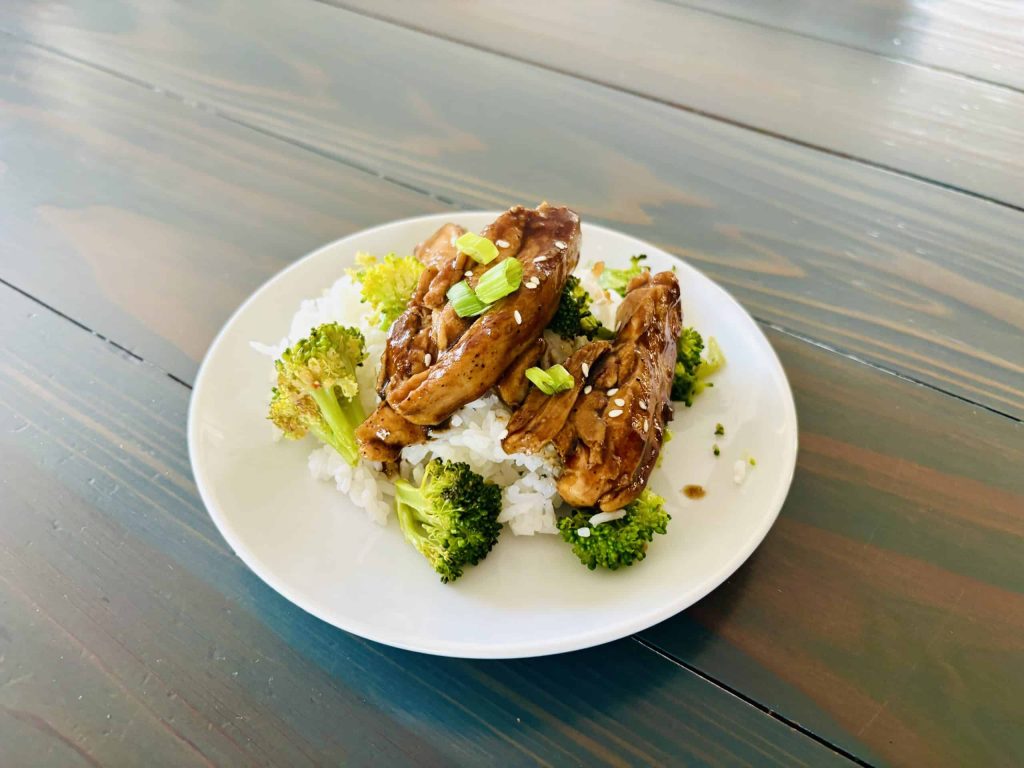
Boneless thighs in a homemade teriyaki sauce: soy sauce, brown sugar, rice vinegar, plenty of garlic and some grated ginger. Give it 4 hours on low, then take the lid off for the last half hour so the sauce cooks down and gets sticky.
Slice the chicken and serve it on rice with steamed broccoli, like the plate here. Sesame seeds if you have them.
Beef Barbacoa
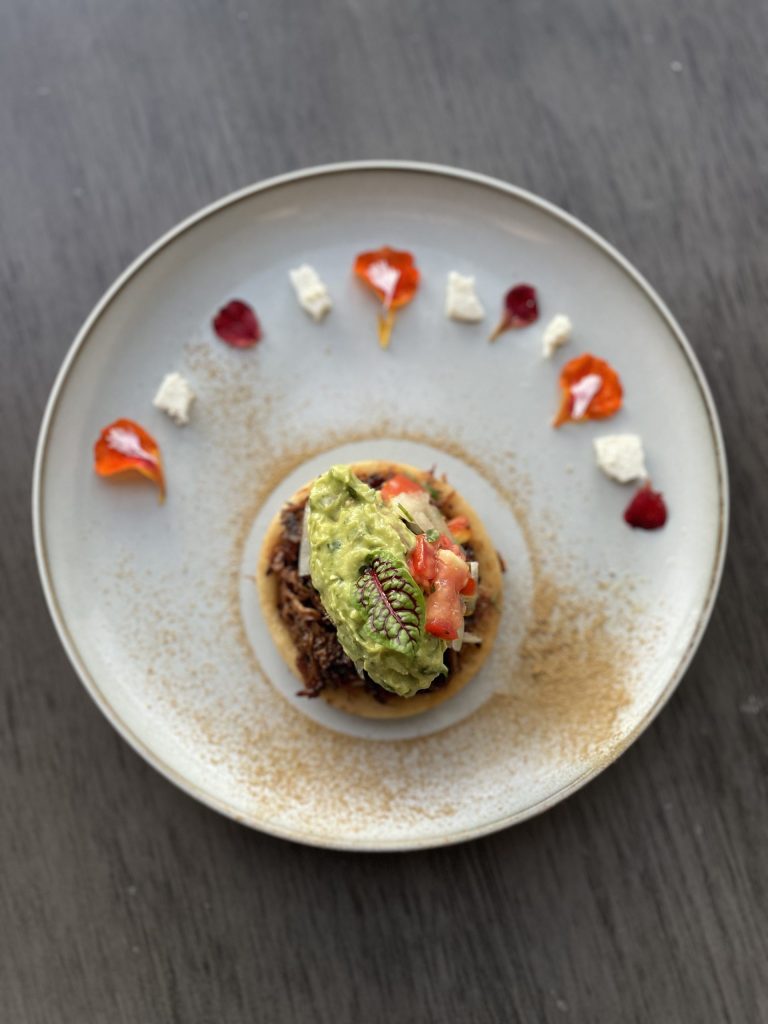
Chuck roast cut into big chunks, chipotles in adobo, lime juice, cider vinegar, cumin, oregano, a couple of bay leaves and a cup of broth. It needs about 8 hours on low, and then the beef shreds with 2 forks right in the juices.
Tacos are the usual move, but a crisp tostada with guacamole (like the fancy one here) is a nice change. Keep the leftover meat in its liquid so it doesn’t dry out.
Glazed Pork Chops
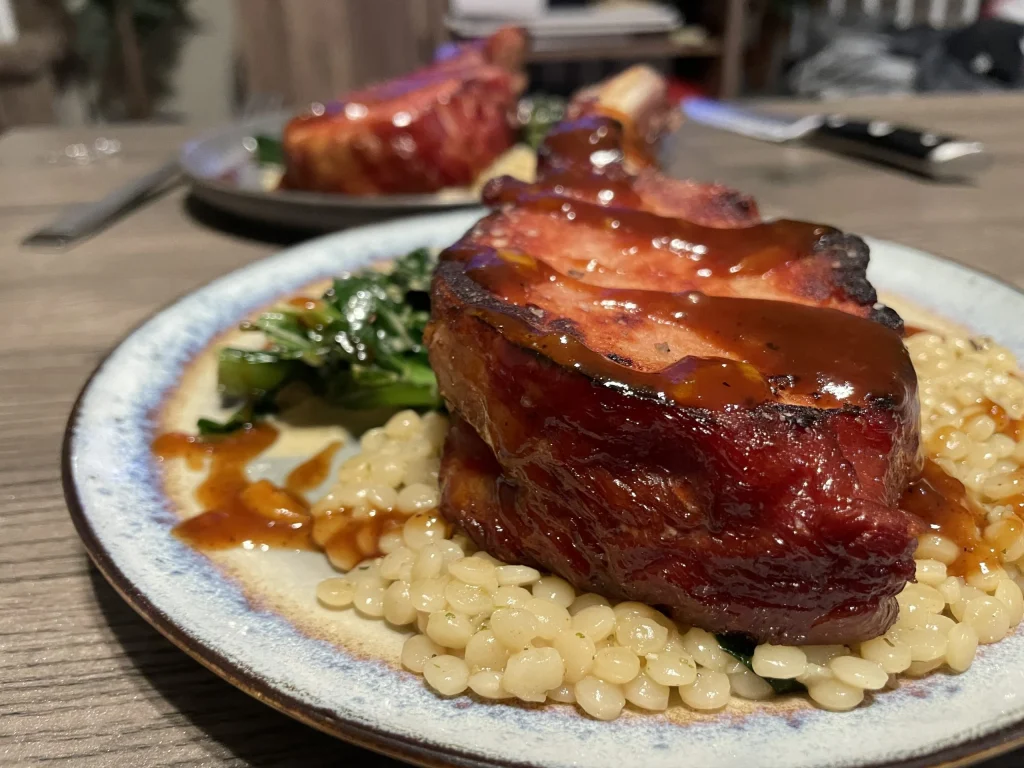
Thick bone-in chops, browned hard in a skillet first, then into the cooker with a glaze of brown sugar, ketchup, cider vinegar, soy sauce and garlic. Thick chops hold up better than thin ones, and they don’t need all day, usually 3 to 4 hours on low.
Pork chops are safe at 145°F with a 3 minute rest, according to the FSIS safe temperature chart, so check them early rather than letting them go dry. Boil the cooking liquid down in a small pan and brush it over the top, which is how the one in the photo gets that dark, shiny finish.
GPS watches seem like a gift from above for runners, tracking time, distance and pace so you can compare a run against previous ones. They’re a great tool, although not one that should be trusted as the gospel, since a wooded area can block the signal and some runners have seen their watch record them at 40mph for a couple of minutes. Treat the numbers the way you’d treat the clock on a slow cooker roast, as a good guide that still deserves a thermometer.
Three Bean Vegetarian Chili
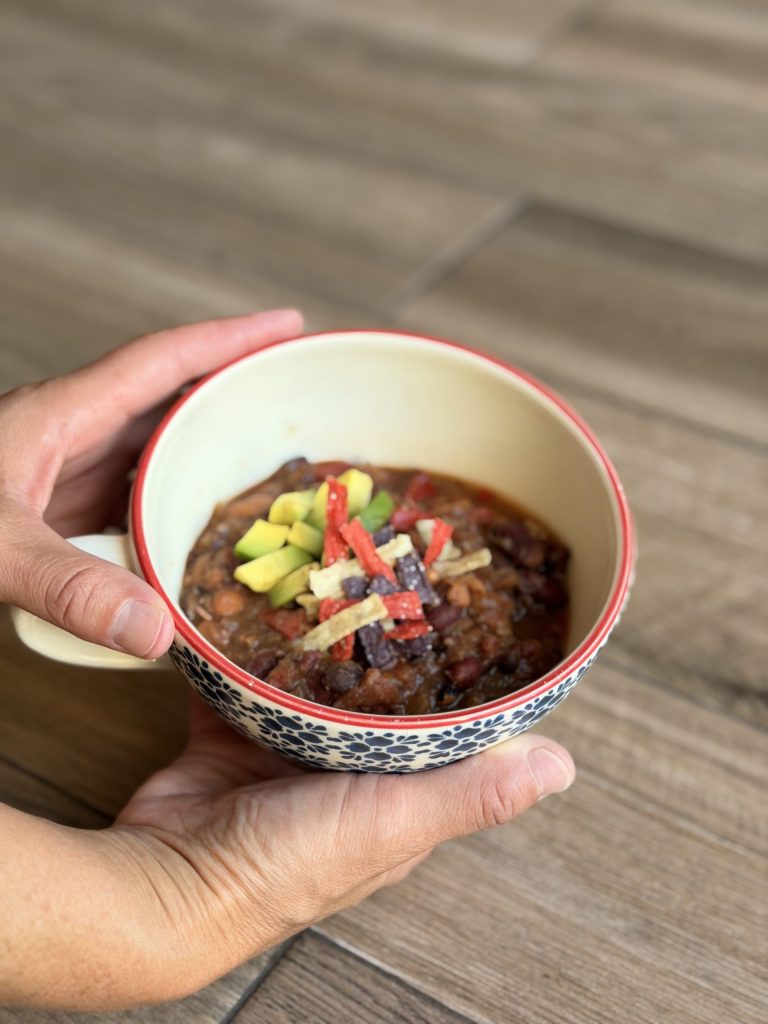
Black beans, kidney beans and pinto beans, all canned and rinsed so there’s no soaking, with a diced onion, a bell pepper, garlic, a can of fire-roasted tomatoes, chili powder, cumin and a little smoked paprika. Lid on, 6 to 8 hours on low.
With no meat to brown, this is the one you can load in about 10 minutes before you head out the door. It’s meatless and I don’t miss it. Top it like the bowl here with diced avocado, onion and a few crushed tortilla strips.
Kalua Pork
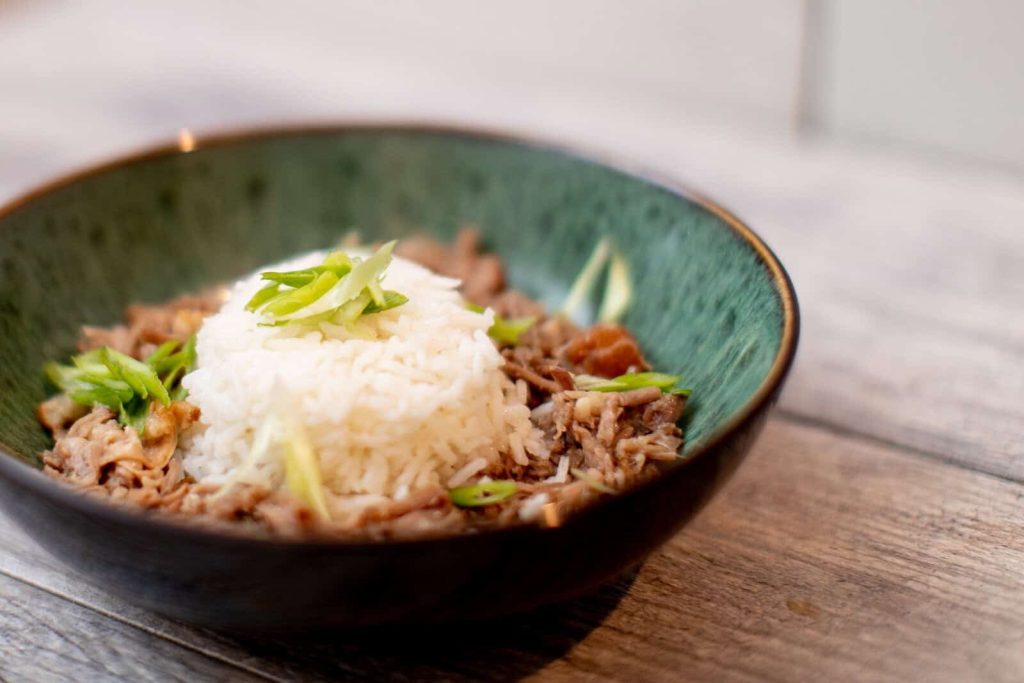
Kalua pork is about as hands-off as cooking gets: a pork shoulder, coarse sea salt and a few spoonfuls of liquid smoke. No water needed, since the pork makes its own juices.
Give it 9 to 10 hours on low while you’re at work. That’s fine, because a slow cooker runs between 170 and 280°F and food is safe cooking on low all day, per USDA FSIS guidance on slow cookers. Shred it, spoon some of those juices back over the top and serve it over rice with sliced green onion, like the bowl here.
Beef Ragu
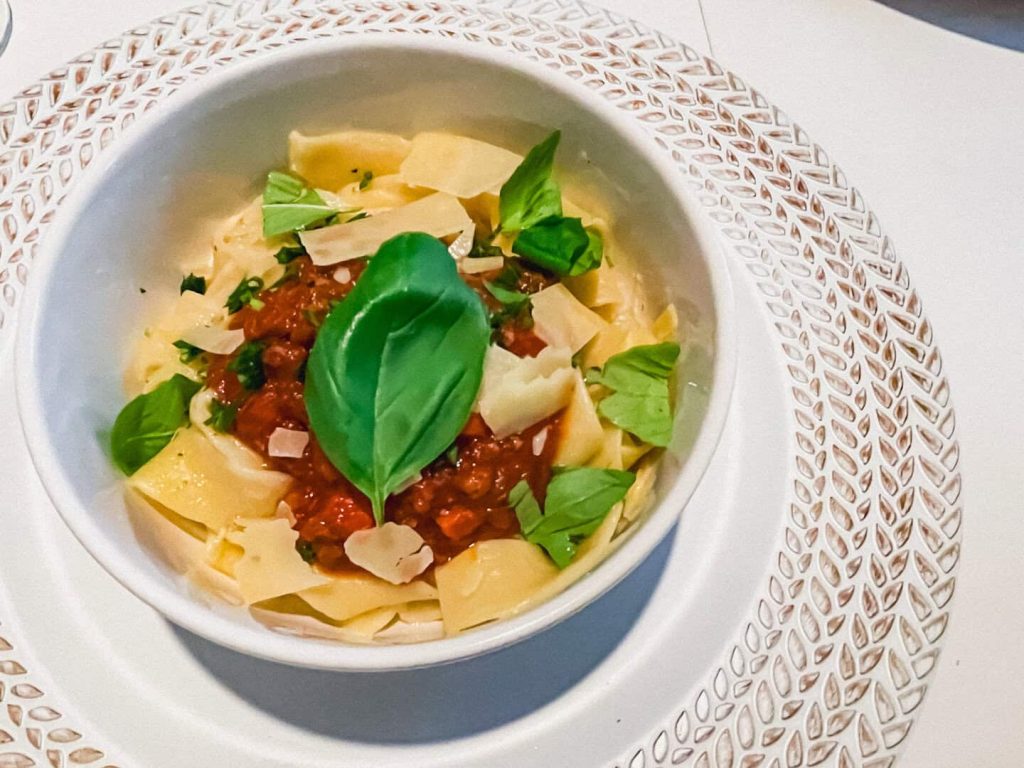
Chuck roast, a can of crushed tomatoes, a little tomato paste, a glass of red wine, onion, carrot, celery and garlic. After 8 hours on low the beef falls apart, so shred it right into the sauce.
Pappardelle if you can find it, like the bowl here, rigatoni if you can’t. Ragu freezes well in portions, which is handy on the nights you don’t want to think about dinner at all.
Greek Lemon Chicken and Potatoes
Chicken thighs on top of halved baby potatoes, with lemon juice, olive oil, garlic, oregano and a splash of broth. Low for about 5 hours. I’d add the lemon zest and some crumbled feta right before serving, and a few olives if they’re around.
Tuscan White Bean Soup
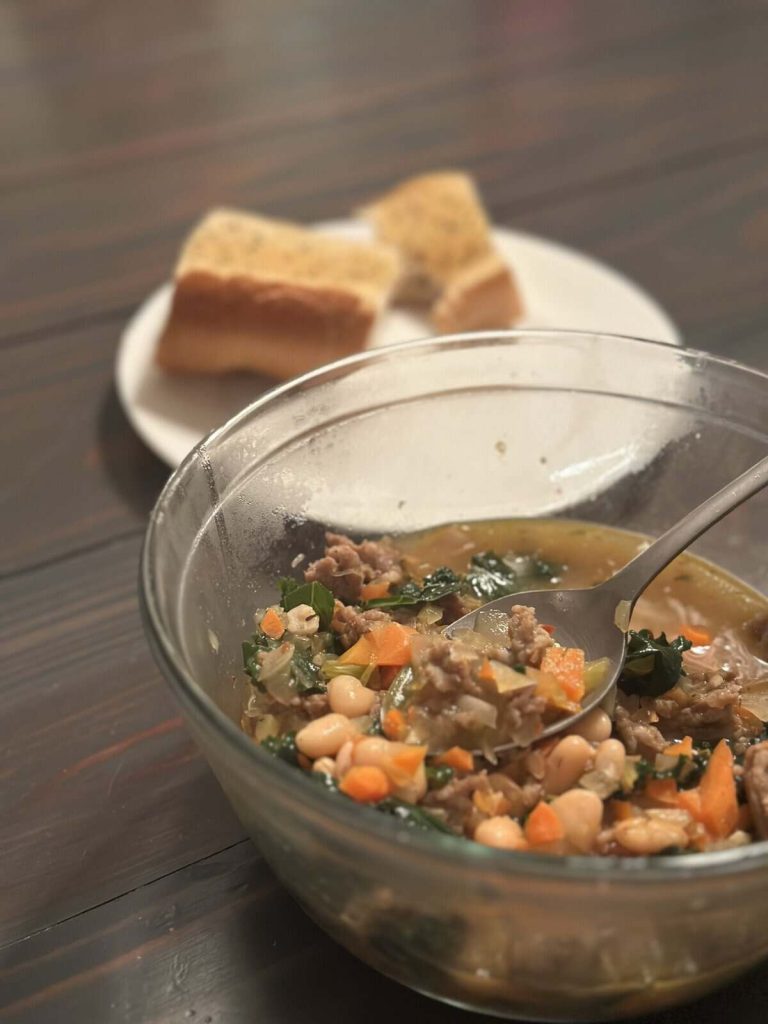
Cannellini beans, carrots, celery, onion, garlic, broth and a Parmesan rind if you’ve been saving one. Vegetables go in the bottom of the pot with the beans and broth on top, and the whole thing gets 6 to 7 hours on low. Stir in chopped kale for the last 30 minutes. Crusty bread on the side, like the toast in this picture, is for dragging through the bowl.
Where Shin Splints Come From and How to Treat Them
Of all of the injuries that runners face, shin splints are perhaps the most common and the most mysterious. Officially known as medial tibial syndrome, the mildest cases show up as a bit of inflammation around the tibia, in the connective tissues that link the muscles to the bone. They come mostly from 2 problems: repetitive stress on your lower legs and overuse of those same muscle groups. Running in old shoes, treadmill running, uneven paths and downhill running can all add to it, and running too far too fast is especially a problem in beginning runners.
Rest and medical attention are both involved in some cases, but keep these things in mind once a shin splint actually happens:
- Don’t try to work through it. If you have a shooting pain through your shin, you shouldn’t attempt to run.
- Apply ice. Freeze water in a paper cup and use it to roll and massage the tissue for 10 minutes a few times a day.
- Give your shins a rest. Take a week or 2 off from running and swim or ride a stationary bike instead, which keeps your endurance up while your lower legs get a break.
- Get it looked at if the pain is sharp or doesn’t ease with rest, since stress fractures can be avoided if you don’t overdo it when you’re already injured.
Taco Soup
Brown a pound of ground beef first (it should reach 160°F anyway, and browning keeps the soup from going greasy), then add it to the cooker with black beans, pinto beans, corn, a can of tomatoes with green chiles, taco seasoning and broth. Low for 6 hours.
Top it with cheese, sour cream and crushed tortilla chips. Reheat leftovers on the stove rather than in the slow cooker, which warms too slowly to get them back to 165°F in good time.
French Dip Sandwiches
A beef roast with sliced onions, beef broth, a splash of Worcestershire and a packet of onion soup mix, 8 hours on low. Slice or shred it thin, pile it on toasted hoagie rolls with provolone, and strain the cooking liquid into little cups for dipping. That cup of jus is the whole point.
Chicken Curry With Yellow Rice
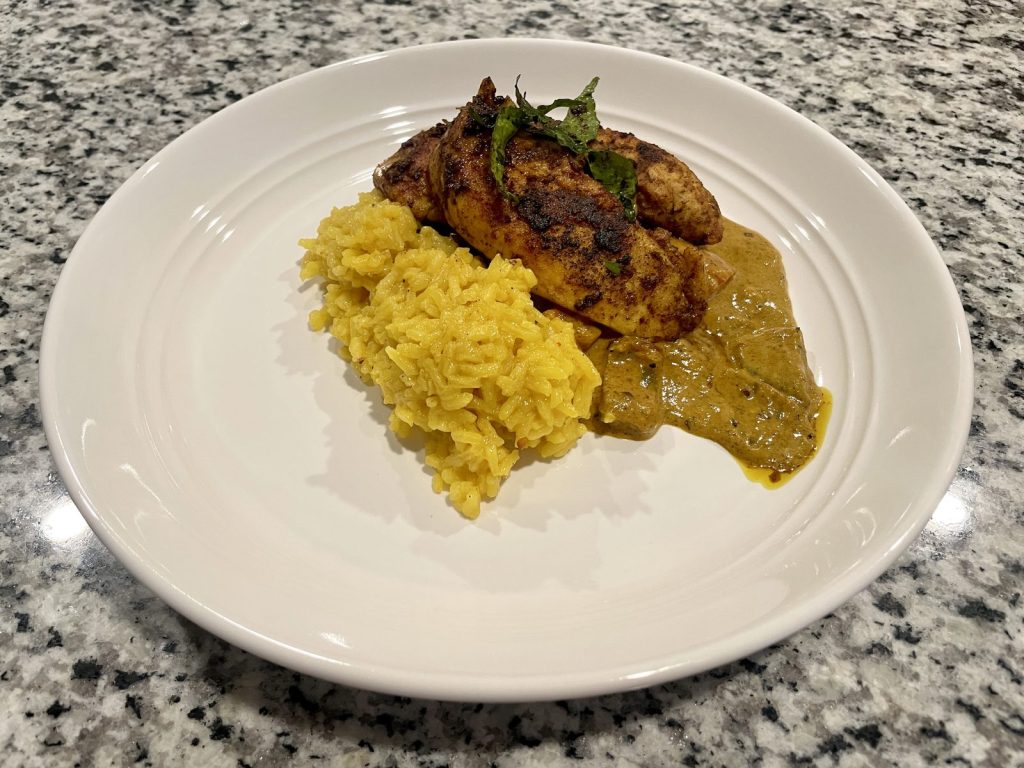
A milder, everyday chicken curry. Thighs again (they handle a long cook better than breasts), with onion, garlic, ginger, curry powder, a little turmeric and a can of coconut milk, about 5 hours on low.
Yellow rice is just rice cooked with a pinch of turmeric and a bay leaf, and it makes the plate look like more effort than it was.
Birria Bowls
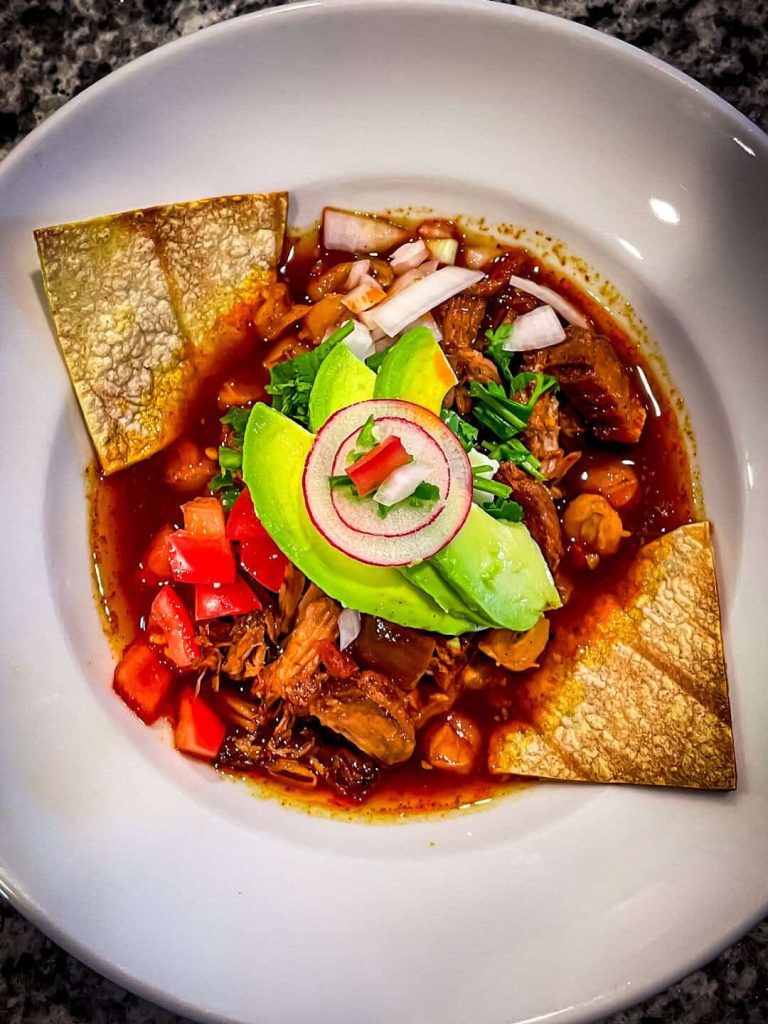
Birria starts with a sauce of dried guajillo and ancho chiles blended with garlic, onion, cinnamon, cumin and a little vinegar. Pour it over a chuck roast or beef shank and give it 8 to 9 hours on low.
The broth it leaves behind matters as much as the meat. Serve the beef in a bowl of that red consommé with avocado, onion and cilantro, the way this one is dressed, with crisp tortillas on the side.
For just about everything pertaining to running (except getting your mileage done for you), an app is available for download. Whether you are looking to track your mileage, map your course or get chased by some zombies, there is literally an app for that. Many of them are free or low cost, and a running log that fills itself in is about as hands-off as the slow cooker.
Korean Beef
Thinly sliced flank steak or chuck, soy sauce, brown sugar, sesame oil, garlic, ginger and a pinch of red pepper flakes. This one is quick for a slow cooker, about 4 hours on low, and much longer turns the beef stringy. Green onions and sesame seeds on top, over rice.
Chicken Cacciatore With Potatoes
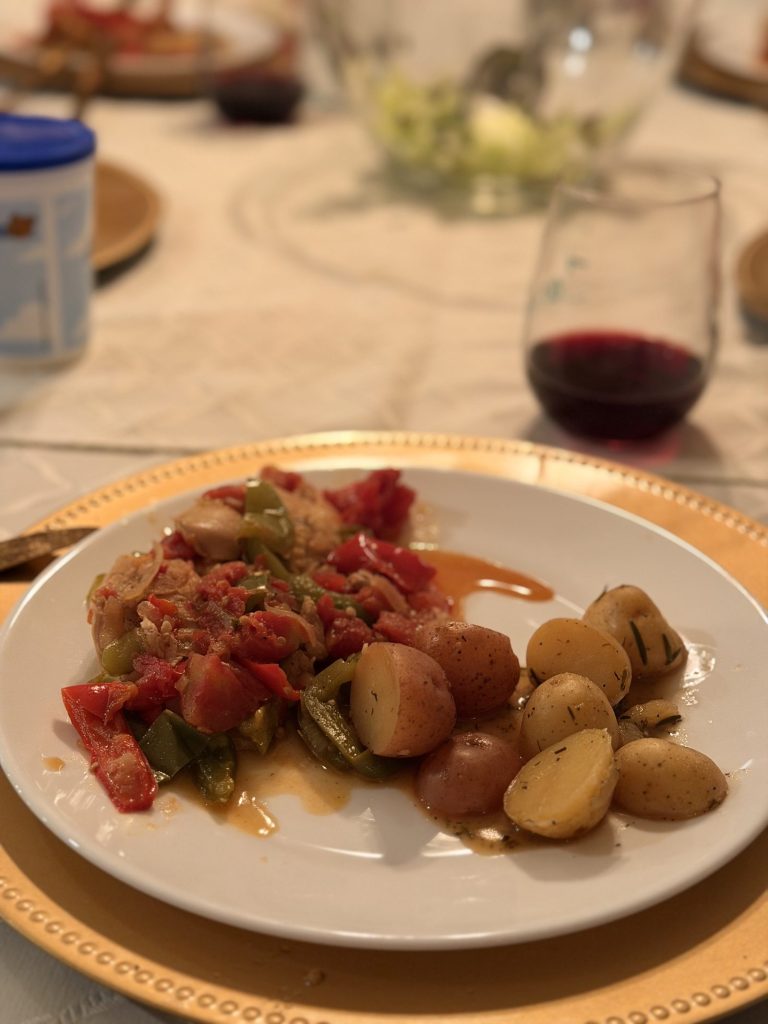
Bone-in chicken thighs, a can of crushed tomatoes, bell peppers, onion, mushrooms, garlic, a splash of red wine and a good pinch of oregano. Let it go about 6 hours on low, until the chicken pulls off the bone.
Cacciatore usually goes over pasta or polenta, but small potatoes on the side, the way this plate does it, soak up the sauce just as well. Boil them while you set the table.
Pulled Pork
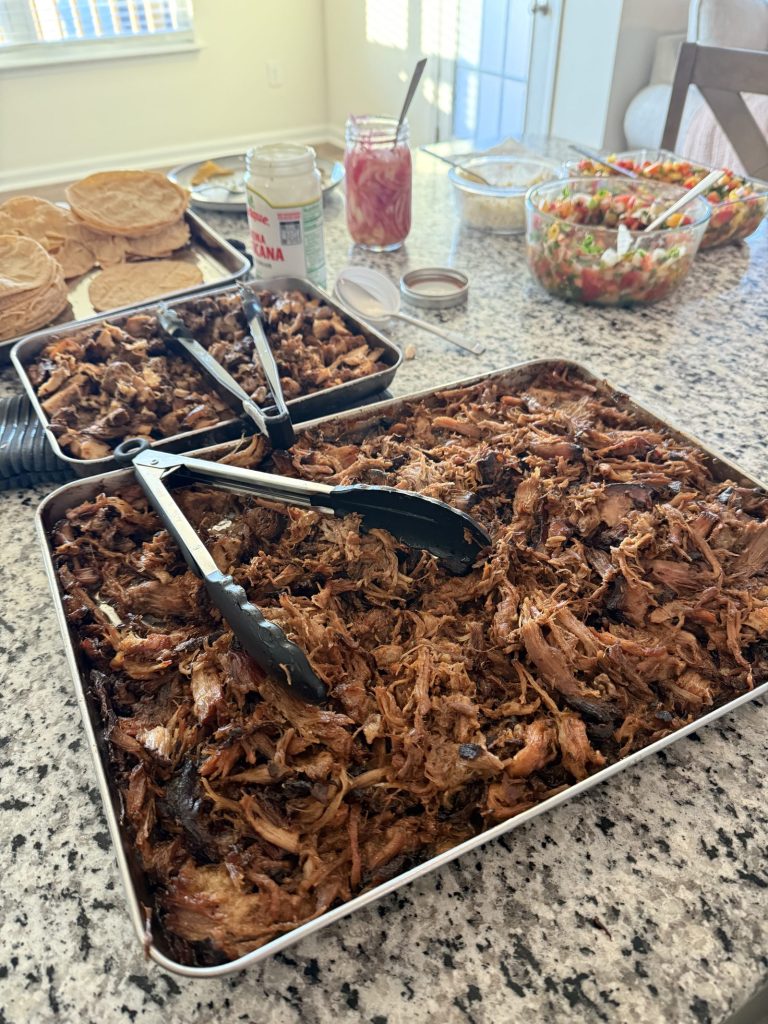
Pork shoulder, a dry rub of brown sugar, paprika, garlic powder, salt and pepper, and a cup of broth with a splash of cider vinegar. Low for 8 to 10 hours, until it pulls apart with tongs.
It feeds a crowd, which is why it shows up here by the trayful with buns and toppings on the side. Leftovers keep 3 to 4 days in the fridge, and FoodSafety.gov’s cold storage chart gives cooked meat 2 to 6 months in the freezer, so I’d bag up half of it right away.
Shrimp Creole
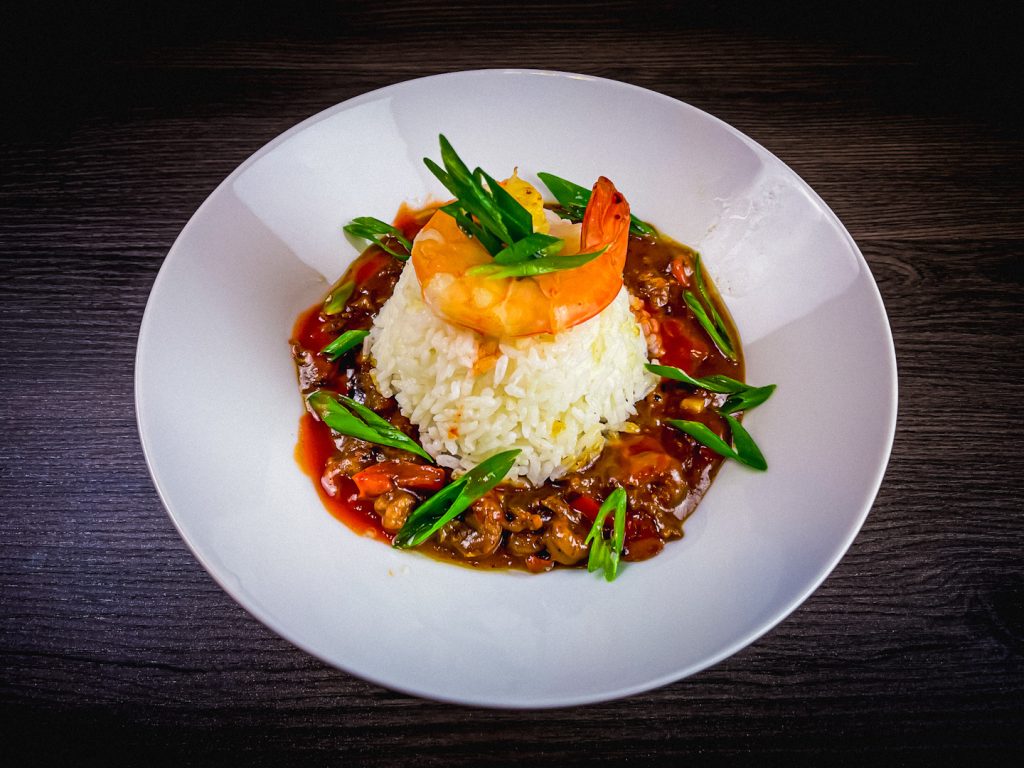
The sauce does the long cook here and the shrimp only need a few minutes. Onion, bell pepper, celery, garlic, crushed tomatoes, a little tomato paste, Cajun seasoning and a bay leaf go in for 6 hours on low, then peeled shrimp go in for the last 20 to 30 minutes, just until they turn pink.
Cook the rice separately (it turns to mush in the cooker) and pack it into a mound in the middle of the bowl, like this one, with the creole spooned around it.
Loading the slow cooker in the morning is a bit of prevention for a busy day, and the same thinking works for your legs. A dime’s worth of prevention can save you a fortune treating a running injury. Pain is more often than not the body’s way of letting you know that something is wrong, so here are a few habits to work into your routine:
- Never skip warm-ups. They get the blood flowing to your muscles before the miles start.
- Spruce up your workout with cross-training. Look into swimming or cycling once every week.
- Don’t rush your progress. Many running injuries happen because the runner wanted to take things too fast, or skipped training days and tried to make up for the lost time.
- Go for a physical check-up. Home remedies are great, but they’ll never replace medical advice from health care professionals.
- Never run on a stress fracture. Even if the pain is tolerable, stop the workout and get a check-up.
Thai Coconut Chicken Soup
Chicken breasts, coconut milk, chicken broth, red curry paste, fish sauce, ginger, sliced mushrooms and a stalk of lemongrass if you can find it. About 4 hours on low, then shred the chicken. Finish with lime juice and cilantro, and add rice noodles at the end if you want more of a meal out of it.
Beef and Broccoli
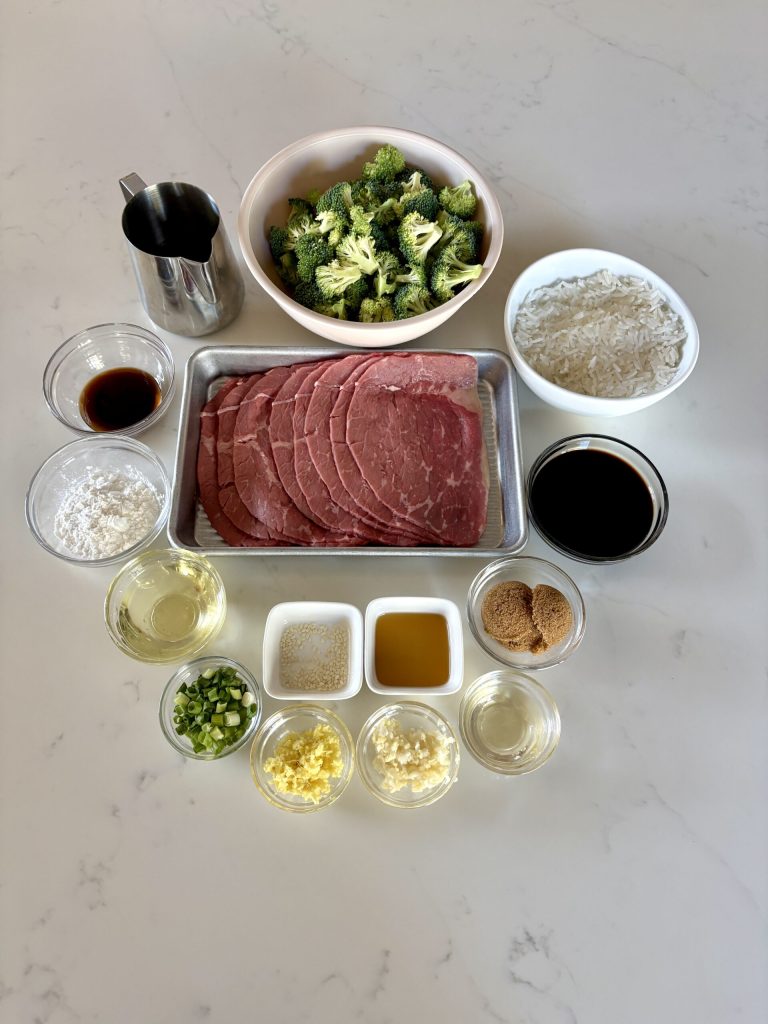
Sliced chuck roast in a sauce of beef broth, soy sauce, brown sugar, sesame oil and garlic, 5 to 6 hours on low. Everything laid out in the photo is pretty much the whole shopping list.
The broccoli is the part to watch. Add the florets for the last 30 minutes so they stay green and a little crisp, thicken the sauce with a cornstarch slurry, and serve it over rice.
Shredded Chicken Breasts
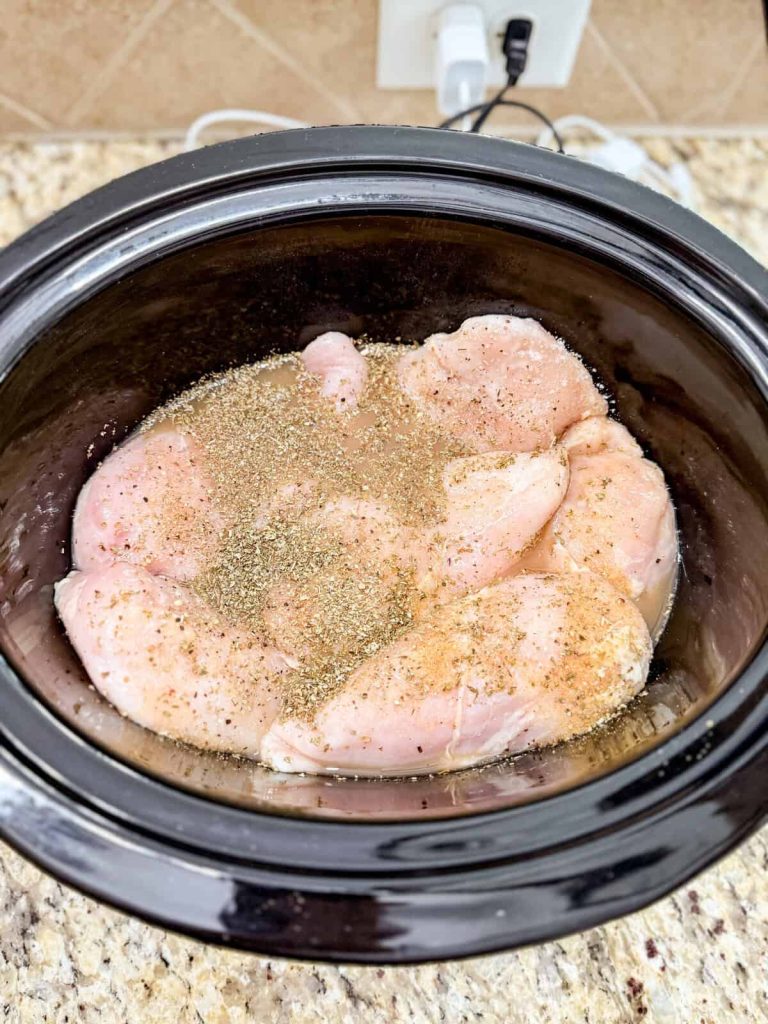
Plain shredded chicken is one of the most useful things a slow cooker makes, in my book. Lay 2 to 3 pounds of boneless breasts in the pot and season them with salt, pepper and garlic powder, like the ones here before the lid goes on. Add half a cup of broth and cook on low for 3 to 4 hours, until they hit 165°F.
Use it for salads, wraps, quesadillas and soup over the next few days, or freeze some in bags.